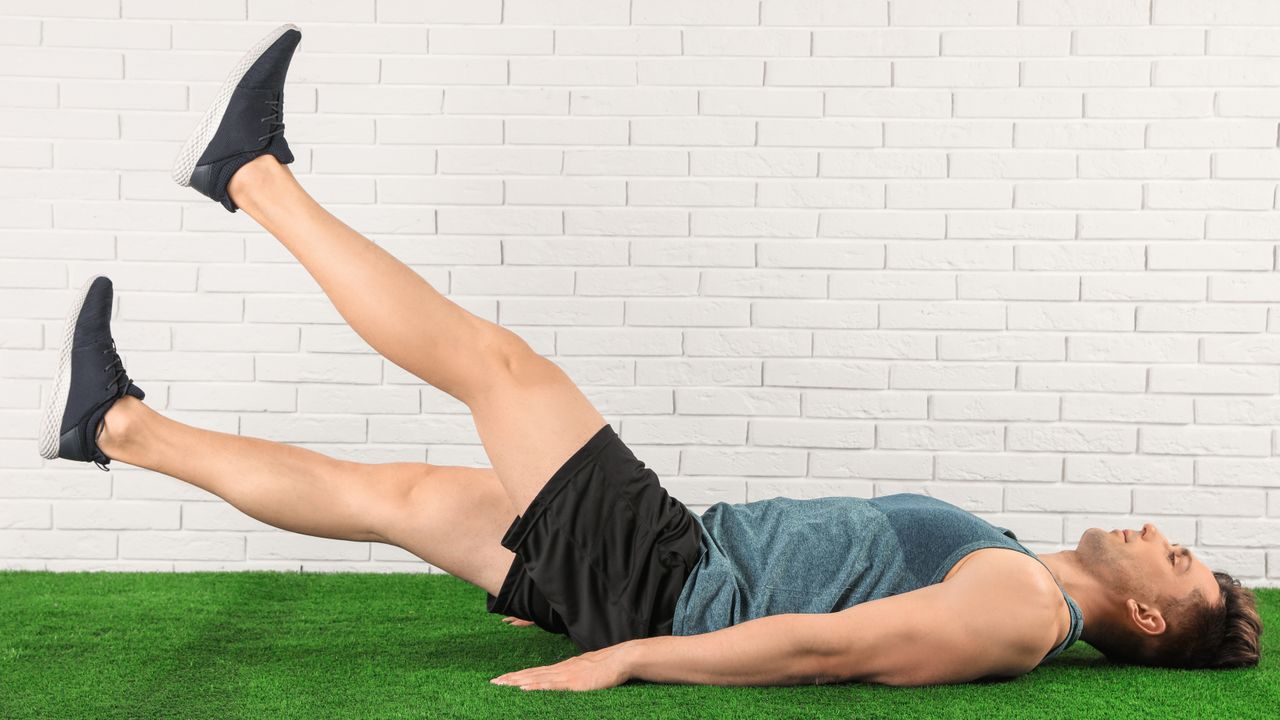
The simple yet challenging exercise known as flutter kicks has drawn attention for its effectiveness in targeting core muscles. A week-long personal challenge to incorporate this exercise daily revealed surprising insights into its benefits and difficulties.
Understanding Flutter Kicks
The flutter kick exercise involves lying on the ground and lifting straight legs about eight inches above the floor while fluttering them up and down. Although the name suggests a light and airy movement, the reality is that this exercise significantly engages the core, particularly the lower abdominal muscles and the rectus abdominus, commonly known as the six-pack. While performing flutter kicks is technically straightforward, the intensity quickly becomes apparent as one focuses on proper form and technique.
Many individuals approach core exercises with the goal of enhancing stability and posture, as well as preventing or alleviating back pain. A strong core is essential for overall health, and while aesthetic benefits may be a secondary goal, they still play a role in motivation. Achieving visible results, however, requires a combination of exercise, a balanced diet, and genetics.
A Week of Flutter Kicks
Embarking on a week-long commitment to flutter kicks began with optimism, fueled by the belief that the exercise would be manageable. On the first day, three sets of 30 seconds each felt relatively easy, leading to initial doubts about the exercise’s effectiveness. However, upon slowing down the movement, the challenge intensified significantly.
By the second day, I increased the duration of each set to 45 seconds, and the effort became palpable. Actual grunting accompanied the final seconds of the last set, highlighting the physical demands of maintaining proper form. The temptation to bend the legs for ease should be resisted, as this diminishes the effectiveness of the workout.
On the third day, the effects of the flutter kicks began to manifest in unexpected ways. Despite the short duration of exercise, a noticeable engagement of the lower abdominal area was observed, leading to improved posture and increased awareness of body alignment throughout the day.
The fourth day brought progress, with three sets now lasting one minute each. Despite this advancement, the mental challenge of counting down the seconds loomed large, emphasizing the exercise’s demanding nature. By the end of the week, the sets remained at one minute, yet the struggle persisted, revealing both the simplicity and complexity of flutter kicks as an exercise.
Notably, this exercise also engages other muscle groups, including the hip flexors and quadriceps, although the primary focus remains on core strength. The flutter kick exercise is not only effective but also serves as a reminder of the importance of maintaining a strong core.
In conclusion, the flutter kick challenge demonstrated that even seemingly straightforward exercises can provide significant benefits when performed correctly. Incorporating flutter kicks into a regular fitness routine can enhance core strength, improve posture, and contribute to overall well-being. For those seeking to elevate their fitness journey, embracing this exercise could be a valuable addition.