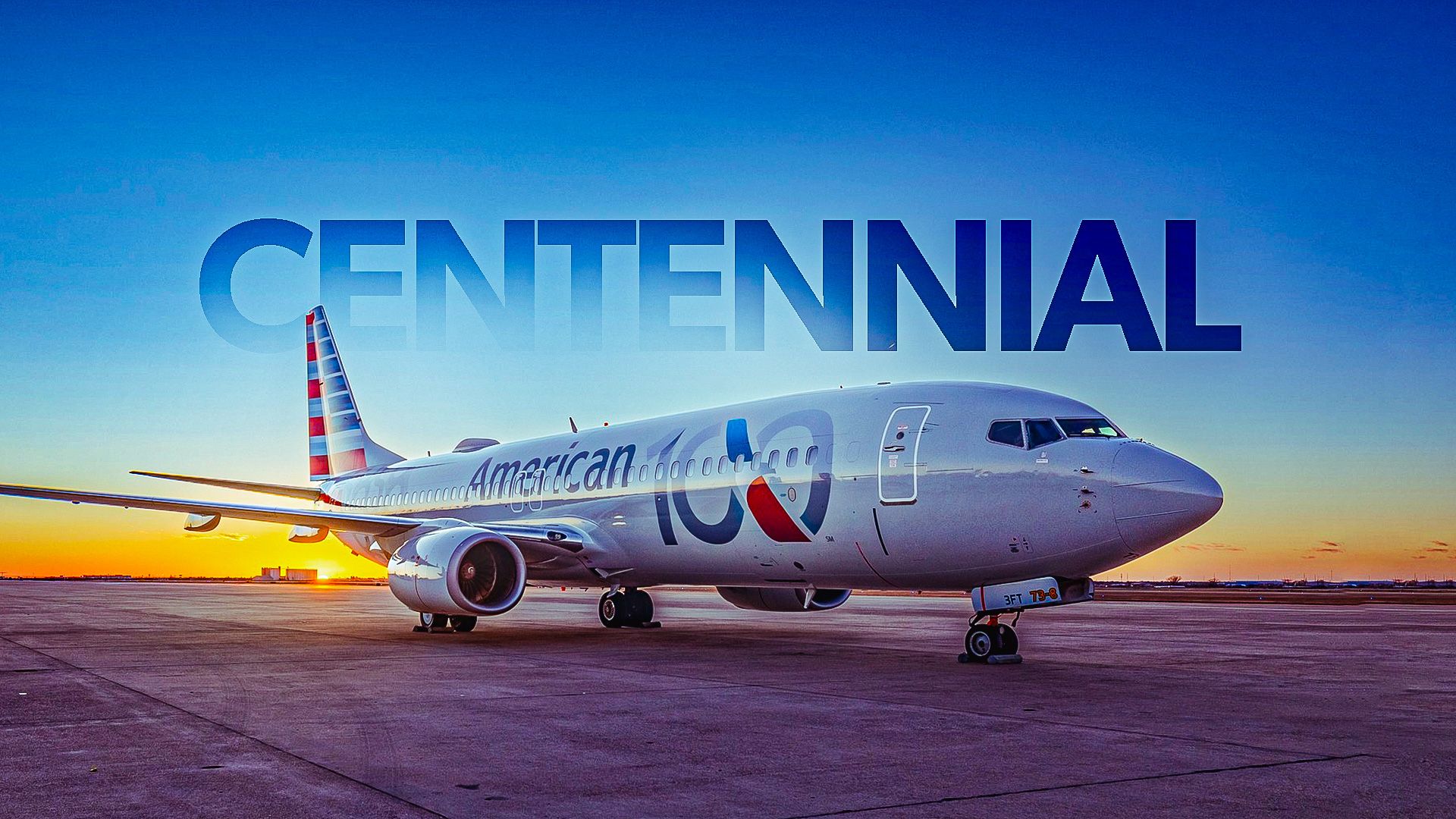
American Airlines, the world’s largest airline by several key metrics, is celebrating nearly a century of operation since its inception. Founded on April 15, 1926, the airline has transformed significantly over the decades, evolving from a small mail carrier into a global aviation powerhouse. This article delves into the rich history of American Airlines, highlighting its milestones, strategic shifts, and current market position.
Tracing the Origins of American Airlines
The origins of American Airlines can be traced back to the consolidation of multiple smaller carriers under the name American Airways in 1930. This initiative was spearheaded by C.R. Smith, an influential figure who professionalized the airline’s operations in the 1930s. American Airlines quickly gained traction by standardizing its fleet and operations, notably introducing the Douglas DC-3. This aircraft became a cornerstone of American’s business model, enhancing reliability and establishing a strong schedule that appealed to business travelers.
By 1936, American Airlines became the first airline to operate the DC-3 in commercial service between New York City and Chicago, significantly enhancing the viability of scheduled passenger flights. The airline’s public legitimacy was further established in 1939 when it began trading on the New York Stock Exchange, marking its transition from a fledgling company to a substantial corporation. These early years emphasized operational efficiency and reliability, setting the stage for American Airlines’ future as a key player in the aviation industry.
Growth Through Innovation and Expansion
The post-war era marked a significant turning point for American Airlines. During this time, the airline transitioned from merely demonstrating the feasibility of air travel to shaping the industry itself. In 1944, American Airlines launched what it claimed to be the world’s first scheduled air cargo service from LaGuardia Airport (LGA). This move diversified its offerings beyond passenger travel, leading to increased revenue streams.
In 1945, American expanded its reach internationally by initiating transatlantic flights through its subsidiary, American Overseas Airlines. To support its growing operations, the airline established a maintenance and engineering base in Tulsa in 1946, focusing on reliability and cost control. The 1950s saw further innovation as American Airlines introduced nonstop transcontinental flights and opened a dedicated flight attendant training facility in Fort Worth. Notably, in 1959, it launched scheduled transcontinental services using the Boeing 707, marking its entry into the jet age.
The 1960s and 1970s solidified American Airlines’ reputation as a leader in commercial aviation. The airline implemented the Sabre reservations system, enhancing its ability to manage seat inventory efficiently. Significant milestones included hiring David Harris, recognized as the first black commercial pilot in the United States, and in 1973, hiring Bonnie Tiburzi Caputo, the first female pilot at a major US airline. The introduction of SuperSaver fares in 1977 segmented pricing strategies, allowing American to cater to both leisure and business travelers effectively.
The deregulation of the airline industry in 1978 presented both challenges and opportunities. American Airlines leveraged its established hubs and advanced distribution systems to maintain a competitive edge during a transformative period in aviation.
A Century of Consolidation and Modernization
The 1980s and 1990s marked a period of tremendous growth for American Airlines. Following deregulation, the airline developed a robust model centered on customer loyalty and streamlined operations. In 1981, it launched the AAdvantage frequent-flyer program, enhancing customer retention and establishing valuable partnerships beyond traditional flying.
As the airline continued to expand its network, it introduced American Eagle in 1984, integrating smaller regional carriers into its hub structure. The 1990s were equally transformative, with American celebrating its billionth customer in 1991 and making all flights nonsmoking by 1997. The establishment of the oneworld alliance in 1999 further solidified American’s position among global legacy carriers.
The early 2000s brought challenges, including fuel price spikes and increased competition, which ultimately led to American Airlines filing for bankruptcy in 2011. However, the merger with US Airways in 2013 created the American Airlines Group, enabling the airline to emerge stronger and more consolidated.
As American Airlines approaches its centenary, it is focusing on enhancing the passenger experience and expanding its network. At O’Hare International Airport (ORD), the airline is set to increase its daily departures significantly in response to seasonal demand. Furthermore, starting in January 2026, American plans to roll out free high-speed Wi-Fi for AAdvantage members, bolstering its commitment to customer loyalty.
In conclusion, American Airlines’ journey over the past century has been characterized by strategic innovation, expansion, and adaptability. As it continues to face operational challenges, the airline remains a vital connector between the United States and Latin America while striving to redefine the aviation experience for travelers worldwide.