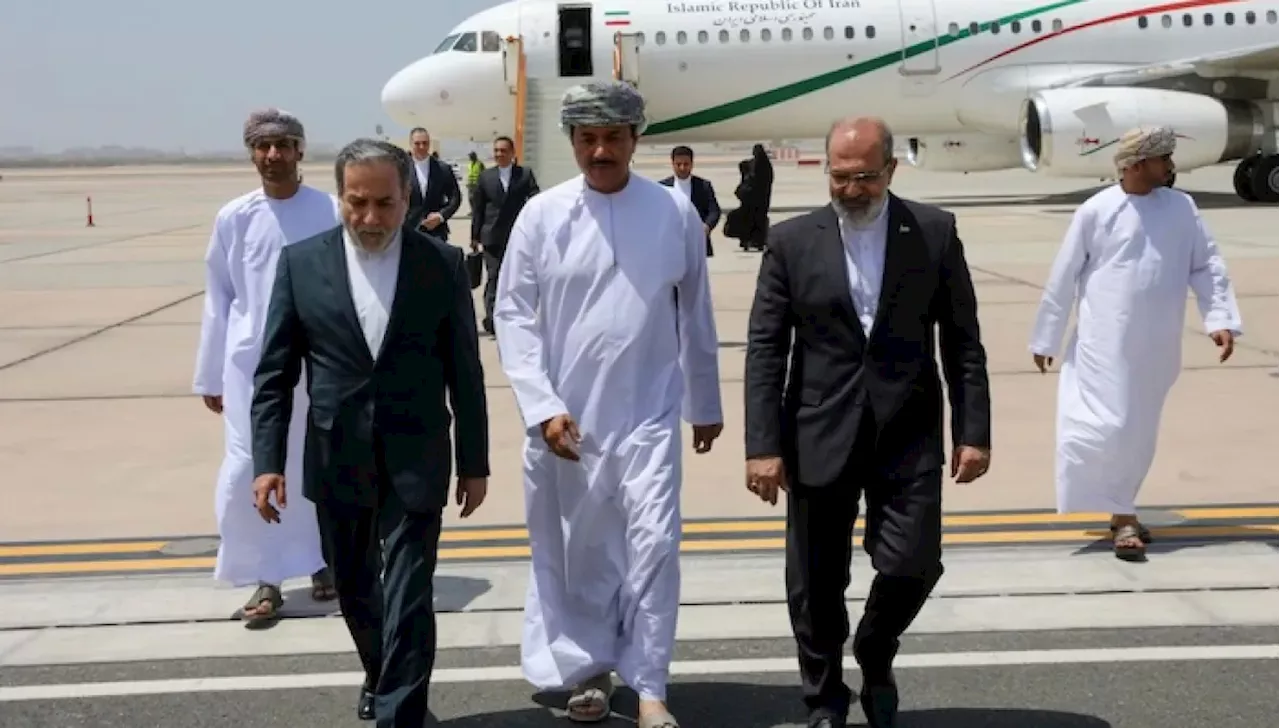
The recent discussions between the United States and Iran in Oman were described as “very good” by President Donald Trump. The talks, which took place on March 15, 2024, marked a significant point in diplomatic relations, with Trump noting that Iran appears eager to negotiate a deal with the U.S.
During a press conference, Trump emphasized that the conversations with senior advisors Jared Kushner and Steve Witkoff represented a positive development in addressing long-standing tensions between the two nations. “Iran looks like it wants to make a deal very badly,” he stated, while also cautioning that discussions are still in the early stages.
The U.S. administration is keen to expand the agenda of these negotiations to include critical issues such as ballistic missiles and regional influence, which Iran has indicated are off the table. Trump reiterated that any acceptable deal must unequivocally prevent Iran from developing nuclear weapons. “If we could have made that deal two years ago, we would have made that deal, but they weren’t willing to do that,” he explained.
Reflecting on the timeline of the negotiations, Trump remarked, “We’ve only been doing this for exactly one year, and we started with them a few months after the beginning of this term.” He expressed optimism that if Iran had been willing to negotiate earlier, a deal could have been reached more swiftly.
In conjunction with the discussions, the U.S. announced new sanctions targeting Iran’s oil network. These measures aim to restrict 15 entities, two individuals, and 14 vessels linked to the illicit export of Iranian crude oil and petrochemicals. This move is part of a broader strategy to pressure Iran economically, particularly in light of the Iranian government’s handling of domestic protests and its role in regional destabilization, as cited by the U.S. State Department.
Trump’s administration maintains that the sanctions are necessary to ensure compliance with international norms and to address security concerns stemming from Iran’s activities. The imposition of these sanctions indicates a dual approach: engaging diplomatically while simultaneously exerting economic pressure.
As discussions continue, the international community watches closely to see how these developments will impact the ongoing tensions and whether a comprehensive deal can ultimately be achieved. The U.S. and Iran’s diplomatic relationship remains fragile, but recent talks signal a willingness from both sides to explore potential resolutions.
Future discussions are anticipated, with both Trump and his advisors keen to maintain momentum in the negotiation process. The outcomes of these talks could have significant implications for not only U.S.-Iran relations but also for broader geopolitical stability in the region.