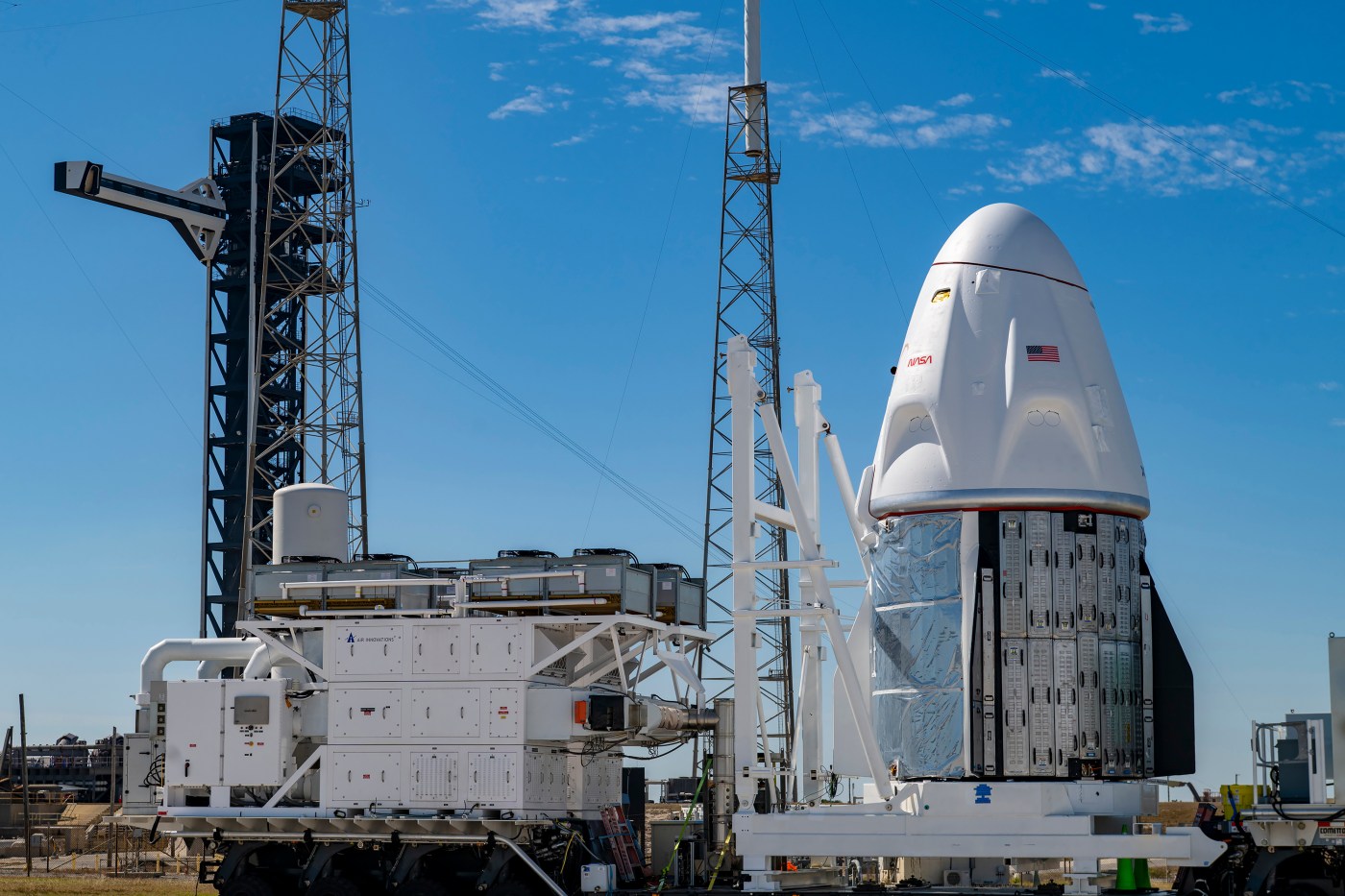
NASA is experiencing a unique moment in human spaceflight as both the Artemis II and Crew-12 missions prepare for potential launches. Due to delays in the Artemis II program, the focus has shifted to the SpaceX Crew-12 mission, which is set to launch no earlier than February 11, 2026, from the Kennedy Space Center.
During a press conference, Steve Stich, NASA’s Commercial Crew Program Manager, expressed the excitement surrounding the dual preparations. “It’s a pretty exciting time in human spaceflight. For the first time in over 60 years, we have two crews in quarantine,” he stated. The Artemis II crew is currently on hold due to issues encountered during the rocket’s wet dress rehearsal, delaying their launch to no earlier than March 2026.
With the Artemis II team sidelined, SpaceX’s Crew-12 now has the opportunity to take flight. The mission includes four crew members, all of whom bring a mix of experience to the journey to the International Space Station (ISS). Commanded by NASA astronaut Jessica Meir, this mission will mark her second spaceflight. She is joined by fellow NASA astronaut Jack Hathaway, who is making his debut, along with Sophie Adenot from the European Space Agency and Andrey Fedyaev, a cosmonaut with prior spaceflight experience.
The Crew-12 team, which has been in quarantine since January 28, 2026, will arrive at Kennedy Space Center on the evening of February 6. They are scheduled to launch aboard the Crew Dragon Freedom, which has flown to space four times prior. The mission will lift off atop a SpaceX Falcon 9 rocket from Cape Canaveral Space Force Station’s Launch Complex 40.
The launch is particularly significant as it will be the second human spaceflight from SLC-40. If all goes as planned, the spacecraft will dock with the ISS around 14:00 UTC on February 12, 2026. Notably, the first-stage booster for this mission will be making its second trip to space and is expected to land at SpaceX’s new landing pad adjacent to the launch site, potentially creating a sonic boom heard in parts of Central Florida.
Crew-12’s arrival will restore the ISS’s crew count to its normal complement of seven, following a recent adjustment when the SpaceX Crew-11 mission was cut short due to a medical incident involving one of its crew members. Despite the reduced crew size, other astronauts, including Chris Williams, have remained on board since arriving via a Soyuz spacecraft in 2025.
NASA’s Dina Contella, deputy manager of the International Space Station Program, noted that a smaller crew can sometimes facilitate smoother operations. “When you have 11 crew members on board, it’s a lot of crew members, and so you just have a lot less planning to do,” she explained. The Crew-12 team will have ample time to acclimate to their new environment under Williams’ guidance.
Looking ahead, Crew-12 is expected to spend approximately eight months aboard the ISS, with their mission extending into October 2026. Williams will remain on the station until at least summer 2026, allowing for an extended transition period.
Meir expressed enthusiasm for both her upcoming mission and the Artemis II launch. She highlighted the camaraderie among astronauts, noting that two of the Artemis II crew members, Victor Glover and Christina Koch, are her colleagues from the 2013 astronaut class. “We are all thrilled about the launch of Artemis. If we do launch before Artemis, we’ll be on board the ISS, and part of their flight plan actually involves a call to the ISS,” she added.
Hathaway echoed Meir’s sentiments, emphasizing that the concurrent training for both missions has fostered excitement rather than distraction. “It’s a pretty exciting time to be part of NASA and part of this expanding mission as we go to the moon and beyond,” he said.
With the Artemis II astronauts having recently concluded their quarantine, they now await the rescheduling of their wet dress rehearsal at Kennedy Space Center’s Launch Pad 39-B. As both missions prepare for their next steps, the anticipation for human spaceflight continues to grow, with Crew-12 set to pave the way for future endeavors in space exploration.