Texas Instruments has announced its acquisition of Austin-based technology firm Silicon Labs for a total of $7.5 billion. The definitive agreement, revealed on Wednesday, involves an all-cash transaction that will see Silicon Labs shareholders receive $231 per share. The deal is anticipated to close in 2027, pending necessary regulatory and shareholder approvals.
Silicon Labs specializes in the design of semiconductors without manufacturing them—known as a fabless model—and focuses on wireless connectivity solutions. This strategic acquisition complements Texas Instruments, which operates as an integrated device manufacturer producing both embedded processing chips and analog chips. Analog chips are crucial as they process continuous information such as temperature and sound, in contrast to binary data.
In terms of financial performance, Silicon Labs reported $785 million in revenue in 2025. In comparison, Texas Instruments achieved revenues of $15.6 billion in 2024, highlighting the scale and ambition of the acquisition aimed at bolstering its chip enterprise.
Eddie Bauer Set to Close Stores, File for Bankruptcy
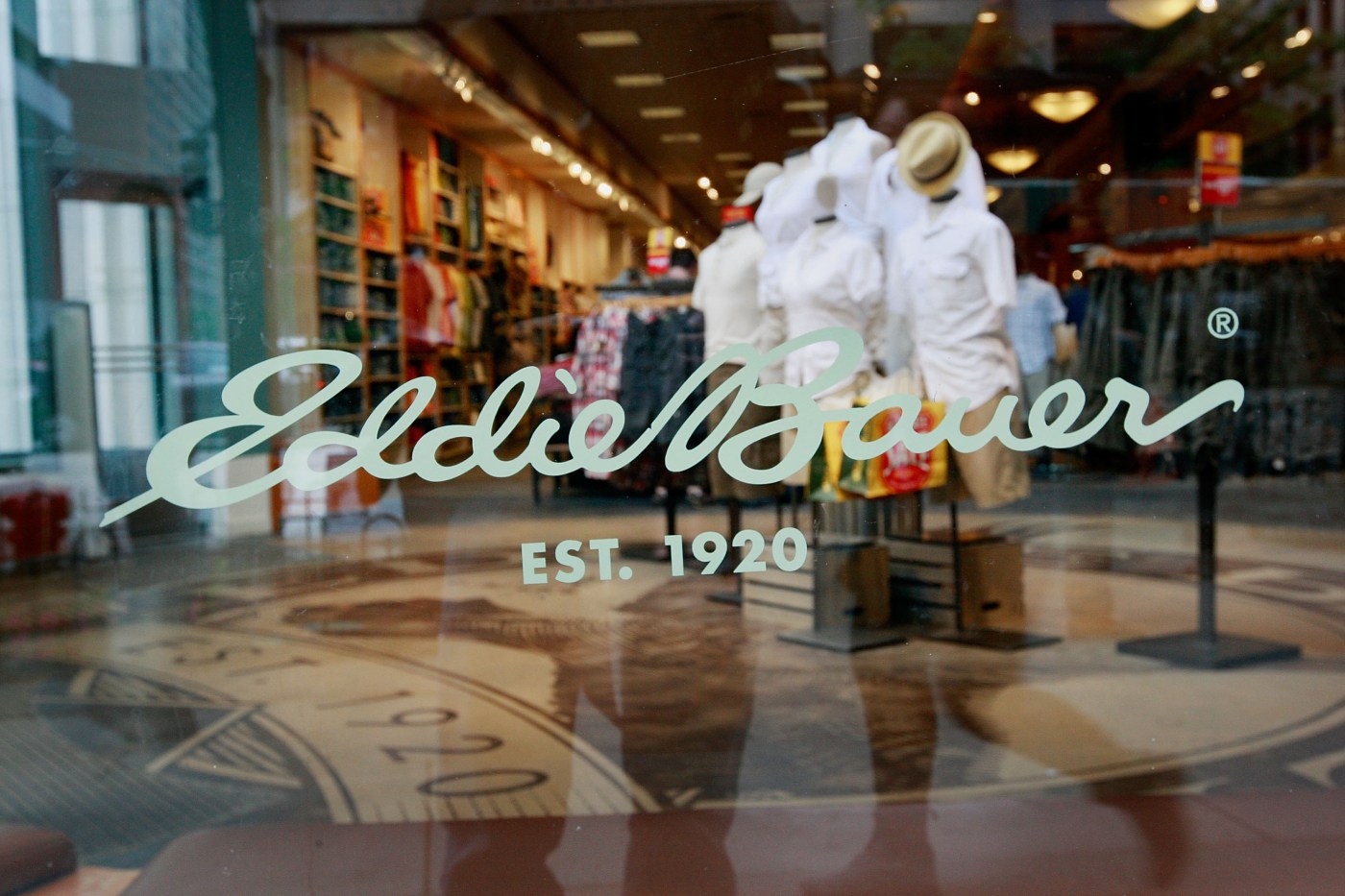
In a separate development, outdoor apparel retailer Eddie Bauer is preparing to close its North American stores and file for bankruptcy. The company, which opened its first store in Seattle in 1920, currently operates over 200 locations in North America. This is a significant decline from its peak of more than 600 international stores in the 1990s.
The bankruptcy proceedings will only affect its North American locations, with reports from Women’s Wear Daily indicating that international operations will remain unaffected. This marks a troubling chapter for the company, which has previously filed for bankruptcy twice, in 2003 and again in 2009.
Eddie Bauer is noted for its historical contributions to outdoor apparel, including the creation of the quilted goose down jacket, for which it received a patent in 1940. The brand’s decision to file for bankruptcy underscores the ongoing challenges faced by legacy retail companies in adapting to the evolving marketplace.