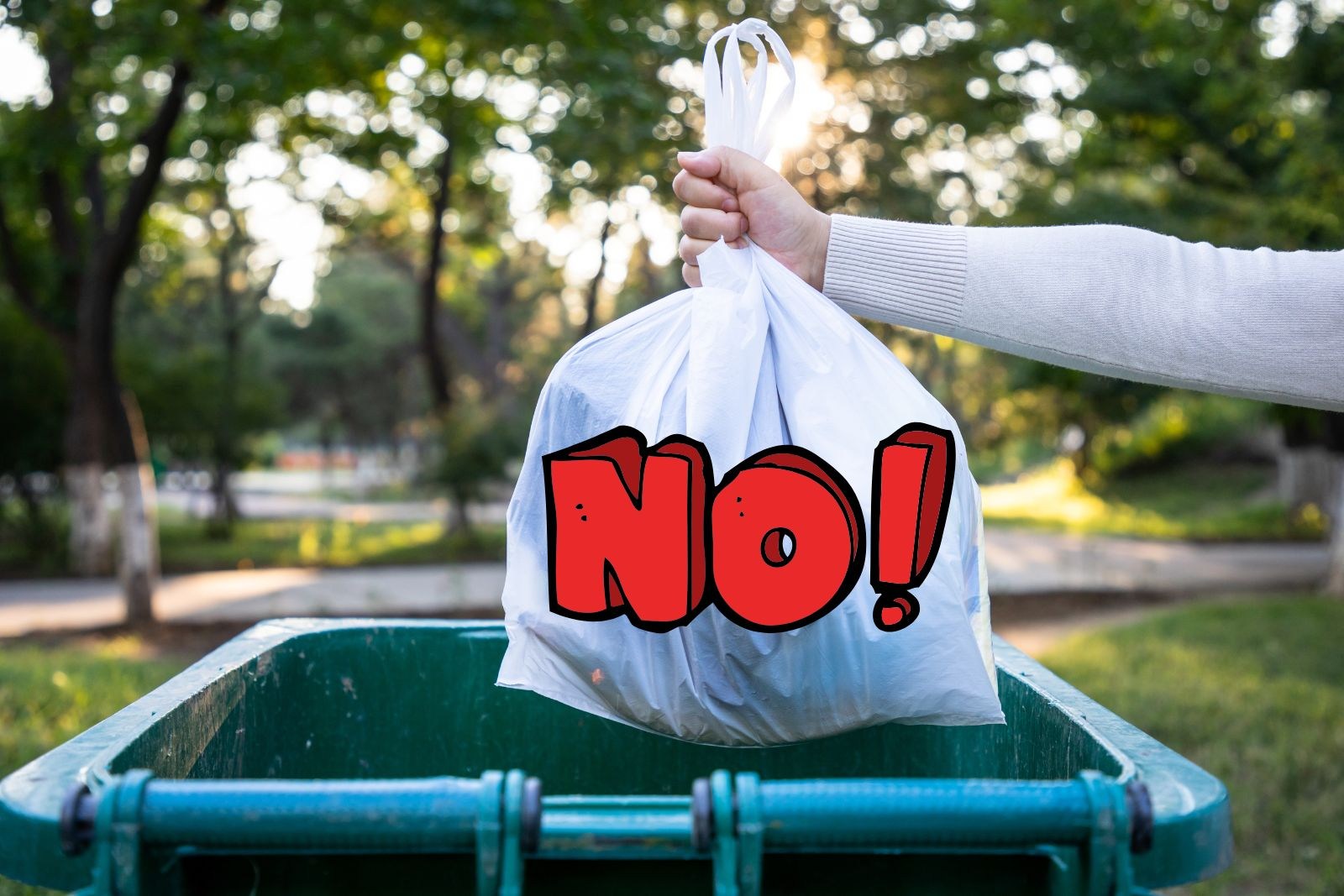
URGENT UPDATE: New Jersey residents must be aware that tossing certain everyday items in the garbage could lead to significant fines. As of today, officials confirm that disposing of 20 common hazardous items improperly poses not only environmental risks but also legal penalties.
Authorities have highlighted that items such as old paint cans, light bulbs, and ceramic cups must not be thrown away in regular trash. These materials can leach harmful substances into soil and waterways, damaging local wildlife and potentially harming human health.
Residents are reminded to utilize New Jersey’s designated drop-off areas for hazardous waste. The state’s waste management website offers detailed information on safe disposal practices. Failure to comply with these regulations can result in fines, underscoring the importance of proper waste handling.
Here’s what you need to avoid throwing in the trash:
– Ceramic cups and plates
– Clay flower pots
– Drinking glasses
– Light bulbs
– Mirror and window glass
– Plastic wrap
– Packing peanuts and bubble wrap
– Wax boxes
– Used metal cookware
– Stainless-steel bottles
– Old paint cans
– Metal car parts
In addition, New Jersey residents should be aware of bulk pick-up days for larger items like furniture and appliances. Most municipalities offer specific days for bulk collection or provide donation drop-off locations for items still in usable condition. Ignoring these guidelines could lead to fines, especially if items are left at the curb too long.
IMPORTANT: Understanding local disposal regulations is crucial not only for maintaining cleanliness in communities but also for protecting the environment. By taking a few extra minutes to learn the rules, residents can avoid unnecessary fines and contribute to a healthier ecosystem.
Moreover, when considering donations, note that many Goodwill and local thrift stores in New Jersey have restrictions on what they will accept. It’s advisable to check with these organizations before dropping off items.
For a cleaner community and a healthier environment, New Jersey residents are urged to take immediate action. Knowing what can and cannot be disposed of in your garbage can save you from fines and help keep the environment safe for future generations.
Stay informed and ensure that your waste management practices align with state regulations. This is not just about compliance—it’s about protecting our community and the environment we all share.