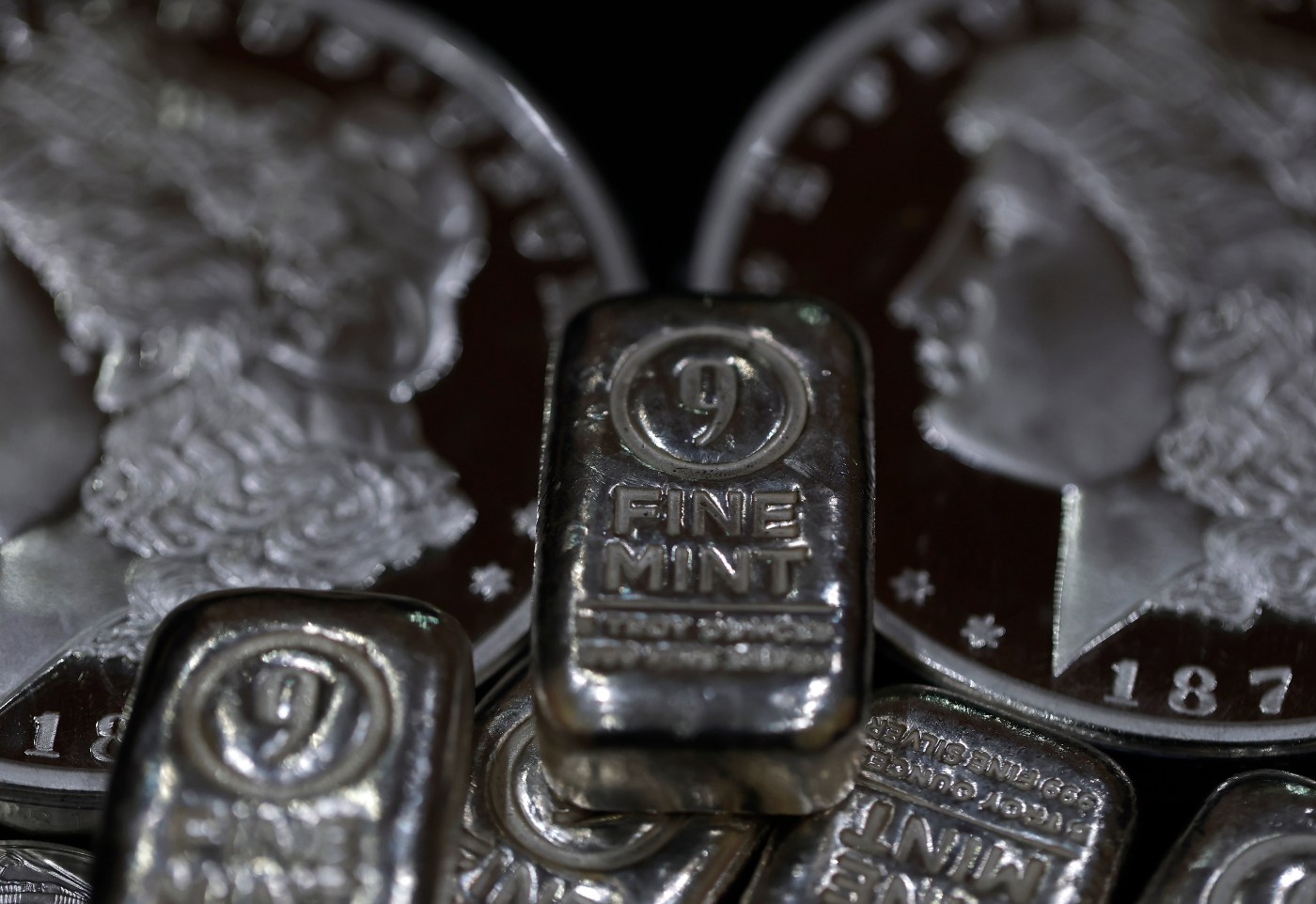
Gold and silver experienced significant declines recently, with gold suffering its largest drop in decades, falling more than 12% to dip below $5,000 an ounce. This marked the most substantial daily decline since the early 1980s. Silver faced an even steeper drop, plunging over 36%, which constituted a record intraday decline. The selloff affected a broader range of metals, including copper, which decreased by 3.4% in London, retreating from a recent peak.
Investor sentiment shifted dramatically as the dollar strengthened, making commodities priced in US currency more expensive. Over the past year, a surge in demand for precious metals drove prices to all-time highs, creating extreme volatility that both surprised and unsettled seasoned traders. This momentum intensified in January 2024, as investors flocked to these traditional safe havens amid rising concerns about currency debasement, geopolitical tensions, and the independence of the Federal Reserve.
While gold and silver remain set for monthly gains, the recent selloff represents one of the most significant disruptions to the rally since a similar downturn in October 2023. The shift was triggered by a notable rebound in the dollar, following reports that the Trump administration was preparing to nominate Kevin Warsh for the position of Federal Reserve Chair, which was subsequently confirmed.
According to Aakash Doshi, the global head of gold and metals strategy at State Street Investment Management, “Trump announcing Warsh as his pick for next Fed Chair has been a US dollar positive and precious metals negative.” He noted that this trend has likely been compounded by month-end rebalancing, as many investors had favored both short positions on the dollar and long positions on precious metals in recent weeks.
The recent movements in the gold market serve as a reminder of the volatility that can occur after rapid price increases. Christopher Wong, a strategist at Oversea-Chinese Banking Corp, remarked that while Warsh’s nomination was a catalyst, a market correction was overdue. He stated, “It’s like one of those excuses markets are waiting for to unwind those parabolic moves.”
As prices soared, traders faced increased pressure on their risk models and balance sheets, leading to extreme fluctuations. A record number of purchases of call options—contracts that allow holders to buy at a predetermined price—had been reinforcing upward price momentum. This phenomenon was highlighted in a note from Goldman Sachs Group Inc., which indicated that option sellers were hedging their exposure to rising prices by purchasing more.
The market’s turbulent nature highlights the delicate balance between investor sentiment and external economic factors. As the dollar continues to rise, traders and investors will be closely watching the interplay between currency strength and commodity prices in the coming weeks.