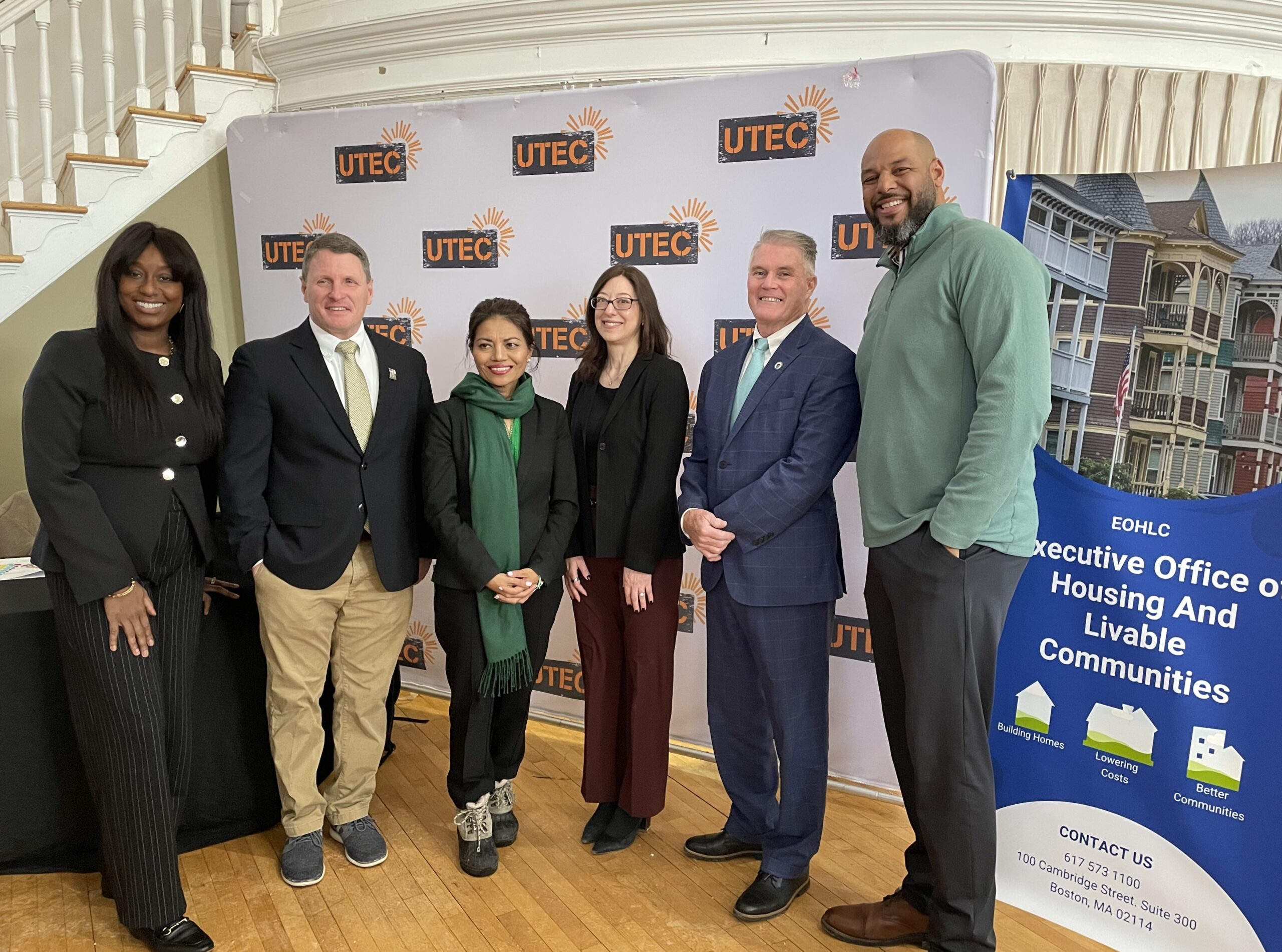
Lowell, Massachusetts, served as the backdrop for a significant discussion on fair housing during a regional listening session held by the Office of Fair Housing on March 7, 2024. The event focused on ensuring accessible housing options for individuals with disabilities, highlighted by the personal story of Destiny Maxam, a 32-year-old woman who spent five years in a nursing home due to a lack of accessible housing.
Maxam, who uses a wheelchair, emphasized the importance of reasonable accommodations for disabled individuals. “These accommodations are not about preference or special requests,” she stated. “They are about equity and access.” Her experience underscores the necessity for ongoing efforts to strengthen fair housing practices for people with disabilities.
The listening session took place at UTEC and featured remarks from various state and local leaders, including Lowell Mayor Erik Gitschier and state representatives. The meeting was organized in collaboration with the Northern Middlesex Council of Governments (NMCOG) and Community Teamwork Inc. (CTI), an agency that supports 70 communities across the commonwealth.
Fair Housing Initiatives and Legal Protections
The Office of Fair Housing was established under the Healey-Driscoll administration as part of the Affordable Homes Act, which aims to enhance housing production and improve livable communities. Whitney Demetrius, the inaugural fair housing director, led the session. She described fair housing as the “right to live where people want, free from housing discrimination.”
In Massachusetts, discrimination in housing based on race, color, national origin, religion, sex, familial status, disability, source of income, sexual orientation, gender identity, age, ancestry, marital status, veteran status, or genetic information is illegal. “Everyone is a member of a protected class,” Demetrius noted, highlighting the need for inclusivity and dignity in housing opportunities.
Jennifer Raitt, the executive director of NMCOG, introduced the framework for the session, emphasizing persistent structural barriers to home ownership, particularly in Gateway Cities like Lowell. She indicated that NMCOG is actively working with local communities to address fair housing issues and improve housing availability and affordability. The agency is developing a 10-year regional housing plan called “At Home in Greater Lowell,” which incorporates fair housing strategies.
Addressing Discrimination and Community Engagement
During the session, Raitt presented data indicating that disability-related complaints are the most common type of housing discrimination, followed by issues related to race and age. “Current data reveals many fair housing concerns,” she stated, emphasizing that these issues affect a wide range of individuals in various ways.
CTI Fair Housing Coordinator Aaron Ginsberg reiterated that while many complaints are based on disability, discrimination against any protected class is unlawful. He provided examples of discriminatory practices, such as overlooking applicants with identifiable ethnic names or denying housing based on race or gender. Ginsberg also highlighted how the law assists individuals, citing cases like Maxam’s where accommodations enable people to reside in their desired locations without facing discrimination.
After the presentations, attendees participated in breakout sessions to discuss barriers to accessing safe and affordable housing. These discussions aimed to gather community feedback on local priorities and recommendations for enhancing fair housing support.
The Executive Office of Housing and Livable Communities (EOHLC) has conducted nearly a dozen similar sessions, with more planned in the future. The goal is to gather input to prioritize funding from a trust fund dedicated to addressing fair housing concerns. “Housing is the foundation for how we build communities,” Demetrius concluded, reinforcing the critical role fair housing plays in community development.
As Lowell residents and state officials continue to engage in these conversations, the commitment to creating a more inclusive housing landscape remains a central focus, driven by the voices of those directly impacted by housing inequities.