A recent study published in npj Biofilms and Microbiomes sheds light on the potential applications of biofilms for space exploration. An international team of researchers examined how these communities of microorganisms, which may have been crucial for early life on Earth, could be utilized for future space missions. Their findings aim to enhance our understanding of biofilms’ roles in spaceflight while addressing health risks for astronauts.
The researchers began by reviewing the extensive history and characteristics of biofilms. These microbial communities are known to have contributed to the emergence of complex life forms and play vital roles in human health and agriculture. In the context of spaceflight, the team investigated how microgravity affects biofilm structure and function, including interactions between gut microbiomes and biofilms, as well as the relationship between biofilms and the rhizosphere—the zone where plant roots, soil, and microbes interact.
One significant aspect of the study was the analysis of data from the NASA Open Science Data Repository (OSDR). This publicly accessible database promotes inclusive scientific research and allows for the exploration of biofilms’ potential applications in space. The research suggests that biofilms could be engineered for in situ pharmaceutical production, reducing reliance on medical resupplies from Earth. Additionally, their use in agriculture could enhance crop yield and quality while minimizing chemical pesticide use.
The study highlights the dual nature of biofilms, stating, “Biofilms have supported life since primordial Earth. Embedded in multicellular life, biofilms should be understood not only as risk agents to be eliminated but also as complex and adaptive biological tools to be harnessed.” This perspective frames biofilm inquiry as an opportunity to develop innovative technologies that could support deep-space exploration and yield sustainable benefits on Earth.
Research into biofilms in space is not new; it builds on over two decades of studies examining their behavior in microgravity. Recent research includes a paper from March 2025 published in Science of Biofilms, which simulated a microgravity biofilm reactor, observing growth and development under conditions akin to those found in space. Another study, also from March 2025, published in the Journal of Microbiology, explored biofilm growth in space and discussed potential risks and mitigation strategies.
NASA has recognized the importance of biofilms, specifically how they form and behave differently in microgravity compared to Earth. These communities can adhere to surfaces more easily, which may lead to equipment damage and pose health risks to astronauts. Biofilms have demonstrated resistance to antimicrobials and antibiotics, raising concerns about their potential to clog water systems, corrode metals and pipes, and damage critical air filtration systems essential for human survival in space.
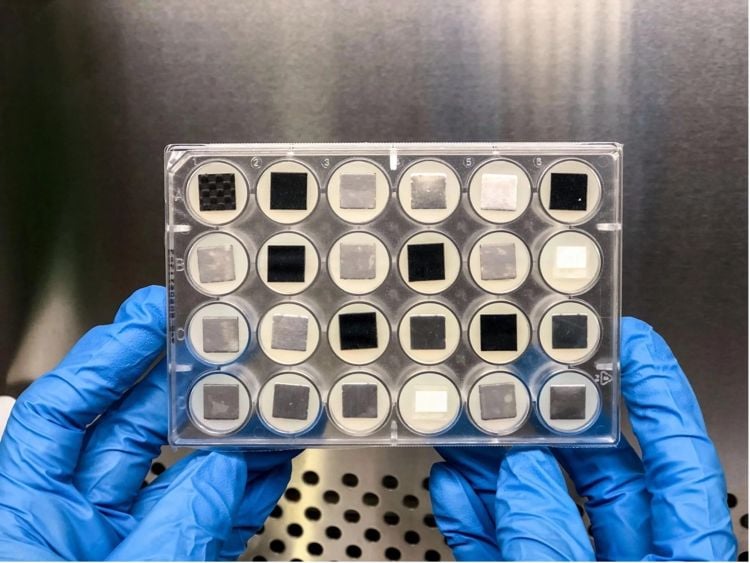
The most comprehensive investigation into biofilm activity in microgravity is the Characterization of Biofilm Formation, Growth, and Gene Expression on Different Materials and Environmental Conditions in Microgravity study conducted aboard the International Space Station (ISS). Astronauts participating in this research are exploring the complex processes involved in biofilm growth and development in a microgravity environment. Findings from these investigations may not only advance our understanding of biofilms but also help mitigate health risks associated with them.
Biofilm research is a critical component of the broader scientific inquiry into human space exploration, whether it involves missions to the ISS, the Moon, or Mars. While biofilms present challenges, they also offer numerous opportunities that could enhance space missions. The ongoing exploration of biofilms’ roles in space will likely shape how future astronauts interact with these microorganisms, as scientists continue to unravel the complexities of life in extreme environments.
As researchers push the boundaries of our understanding, the question remains: how will biofilms contribute to the future of space travel? The unfolding research landscape promises to illuminate the path forward for both space exploration and its terrestrial applications.