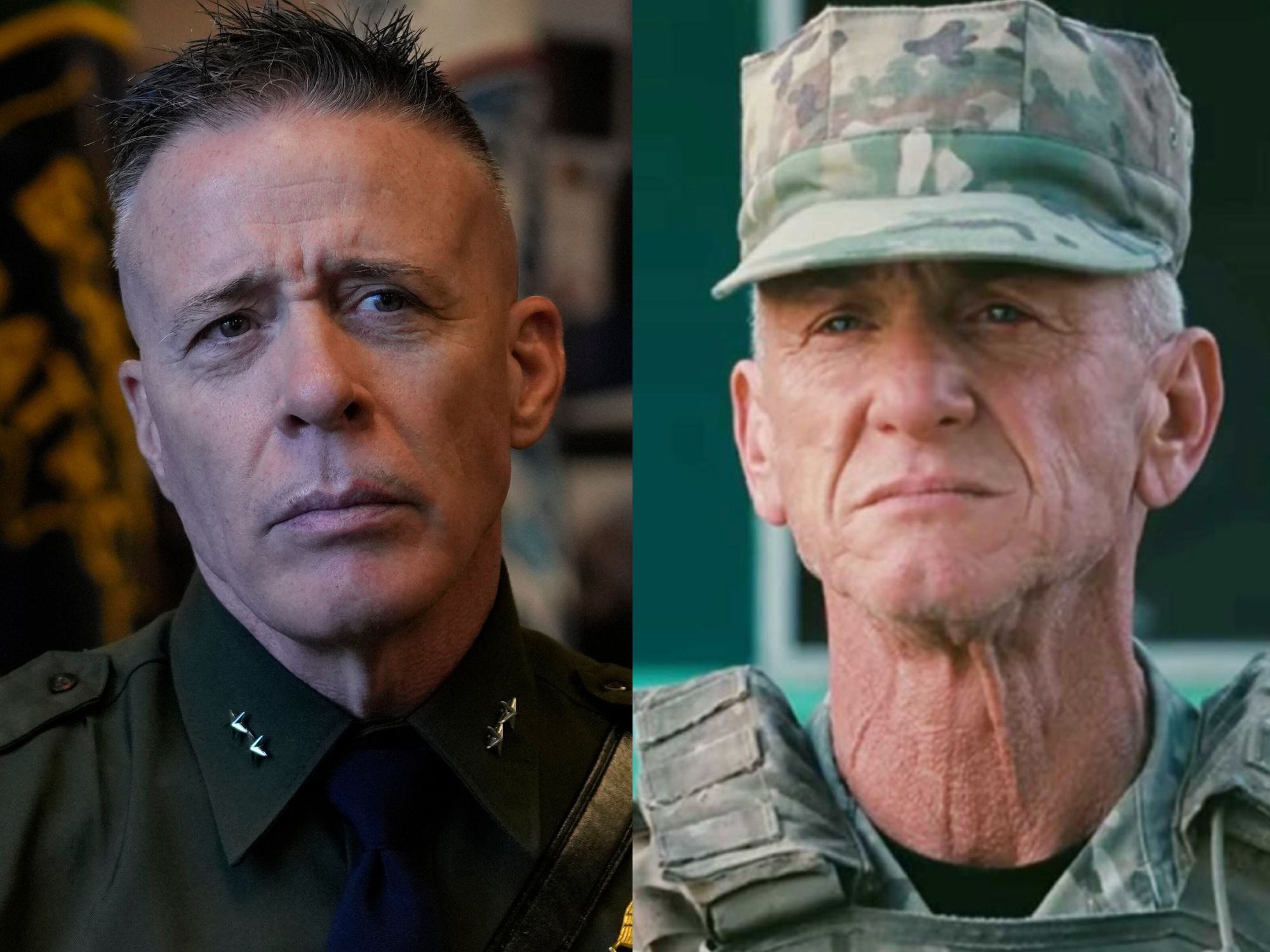
Following a tumultuous period marked by public backlash against Customs and Border Protection (CBP) operations, Gregory K. Bovino has been reassigned from his role as “commander-at-large.” This change comes after widespread criticism of his leadership, particularly in Minneapolis, where his tactics have drawn scrutiny. The decision to replace Bovino with Tom Homan, a prominent figure in immigration enforcement, underscores the Trump administration’s attempt to address escalating tensions surrounding immigration policies.
Bovino’s tenure has been characterized by controversy, including his involvement in a high-profile mass raid in Los Angeles last June. His aggressive approach has been likened to that of a “shock troop general,” often seen accompanied by a substantial security detail. Reports suggest that Bovino has cultivated a controversial public image, leading to his increased visibility within the immigration enforcement community. Despite claims of threats against his life from drug cartels, which were dismissed in federal court, Bovino’s reputation has been increasingly overshadowed by allegations of misconduct and discrimination.
In July 2022, Bovino faced a discrimination lawsuit settled by the Department of Homeland Security. This case revolved around accusations that he manipulated the CBP hiring process to exclude qualified Black and Latino candidates from senior supervisory positions. Allegations included the cancellation of job postings and the preferential hiring of a white candidate, despite the presence of more qualified applicants. Court records revealed troubling correspondence, including a racially charged email sent by a subordinate, which Bovino dismissed as inappropriate but not racially motivated.
The public scrutiny surrounding Bovino’s management style has intensified following incidents involving the use of excessive force, particularly the shooting of unarmed individuals, including Renee Good and Alex Pretti. Critics argue that these incidents highlight a broader issue within CBP’s operational practices, contributing to a perception of violence and aggression in immigration enforcement.
Background and Controversies
Bovino’s rise within the ranks of CBP has not been without challenges. Before taking on his high-profile role, he served as a chief in the less recognized sector of El Centro, California. His background includes a lengthy career as a border patrol officer, but his recent actions have led to questions regarding his fitness for leadership. As the public outcry over his management intensifies, it has become evident that the administration’s support for him was waning, culminating in his reassignment.
The narrative surrounding Bovino has also drawn comparisons to fictional portrayals of military figures in popular culture. His admiration for depictions of border patrol officers in films, notably a movie produced by a distant relative, further complicates his public persona. In a 2021 interview, Bovino mentioned that his interest in joining the Border Patrol stemmed from these representations, revealing a personal connection to the media’s portrayal of immigration enforcement.
Recent developments indicate that the Trump administration is seeking to de-escalate tensions in Minneapolis. Following the release of distressing footage showing the unarmed killing of Alex Pretti, President Trump has signaled a shift in strategy. The reassignment of Bovino is seen as part of an effort to mitigate the backlash against CBP’s operations and restore public confidence in immigration enforcement.
While Bovino’s future remains uncertain, speculation suggests that he may be considering retirement. His social media accounts have reportedly been disabled, further indicating a withdrawal from the public eye. As the administration navigates the challenges of immigration policy and enforcement, the implications of Bovino’s departure are likely to resonate within CBP and beyond.
In the wake of these developments, CBP has not provided specific comments regarding the rationale behind Bovino’s reassignment or the status of his personal email security. The questions surrounding his leadership and the broader issues of immigration enforcement continue to provoke debate, reflecting the complexities faced by agencies tasked with managing border control in a politically charged environment.