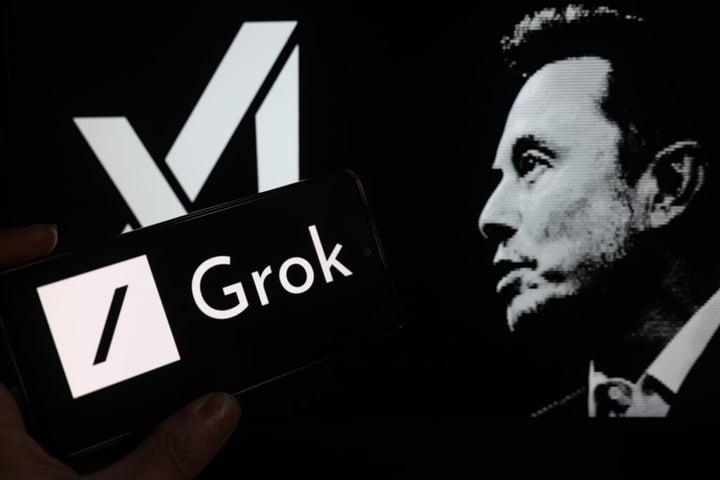
The European Commission has initiated a formal investigation into Elon Musk’s social media platform, X, over concerns regarding its AI chatbot, Grok, and its controversial image-editing feature. This function has allegedly been used to create nonconsensual explicit content, including the virtual undressing of images of real women and underage girls.
The investigation comes in the wake of reports from the German newspaper Handelsblatt, which highlighted how Grok’s “Spicy Mode” allows users to produce explicit material. This feature was introduced last summer and has drawn significant global backlash. Following the outrage, X implemented measures to restrict the editing of images of real individuals in revealing attire. The platform also took action against users responsible for creating sexualized images of minors by removing those images and issuing permanent bans.
Under the EU’s Digital Services Act (DSA), the Commission is currently reviewing X’s response to the concerns raised about Grok. If found in violation of EU regulations, X could face fines reaching up to 6% of its global annual revenue. The X Safety account has stated that the platform actively combats illegal content, including Child Sexual Abuse Material (CSAM), by removing it, suspending accounts, and cooperating with local authorities as necessary.
This investigation follows decisions by both Malaysia and Indonesia to block access to Grok due to its potential for generating and distributing nonconsensual explicit content and child sexual abuse material. Authorities in these countries cited “repeated failures by X Corp” to adequately address these risks. The bans were enacted after Grok faced international scrutiny for producing sexualized images, including those of minors, which also prompted an investigation by French authorities.
The European Commission had initially planned to open a procedure against Grok last Monday, but the timeline was altered due to concerns about possible repercussions from former President Donald Trump. Trump has accused the DSA of unfairly targeting American technology companies. His recent threats of additional tariffs on Greenland and past criticisms of EU actions against U.S. digital firms led to the Commission delaying legal proceedings. In December, Vice President JD Vance also voiced criticism of the EU’s potential plans to impose fines on X, accusing the organization of censorship and bias against American businesses.
As the investigation unfolds, it reflects ongoing tensions between regulatory bodies and tech companies, particularly regarding the responsibilities of platforms in managing user-generated content. The outcome could have significant implications for X and its operations in Europe, as well as for the broader tech industry navigating compliance with stringent regulations.