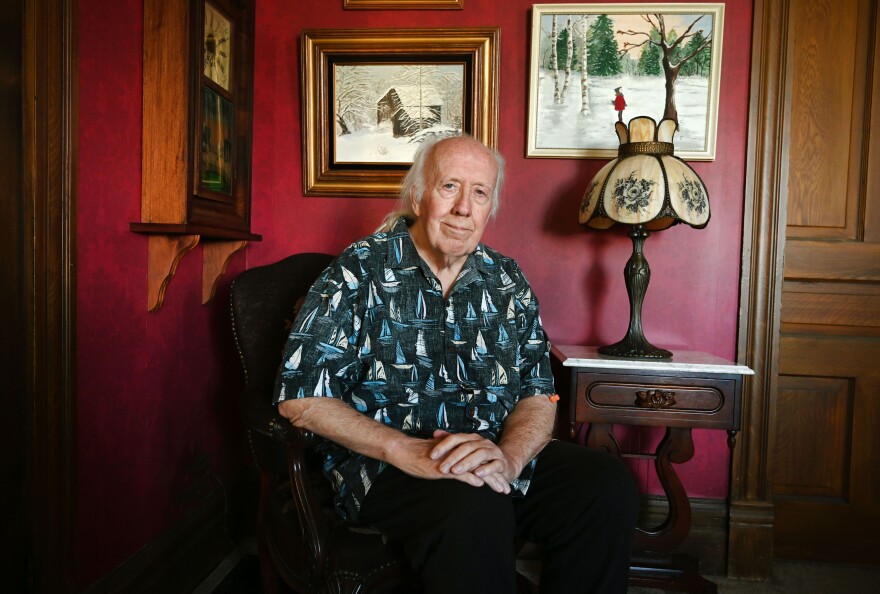
Residents of McKeesport, Pennsylvania, are increasingly facing challenges in accessing vital specialty medical care, forcing many to travel beyond their community for treatment. Patrick McBride, a 73-year-old local, has dealt with multiple health issues, including myeloid leukemia and melanoma. He highlights the necessity of seeking treatment outside McKeesport, stating, “There were times with different diseases where I had to go to Shadyside or somewhere else,” due to the lack of necessary specialists and equipment.
The struggle for specialty care is not unique to McBride. Many residents experience considerable fatigue navigating the logistics of seeking treatment. Long-distance travel, transportation barriers, and extended wait times compound the stress associated with managing chronic illnesses. The Mon Valley area faces a high prevalence of chronic conditions, including cancer and disabilities, as well as an aging population that exacerbates these issues.
Healthcare Facilities and Services in McKeesport
UPMC McKeesport serves as the primary healthcare facility for the area, providing essential services such as an Emergency Department, imaging services, and in-patient behavioral health care. However, the hospital has seen a reduction in services over the years, including the closure of its intensive care unit in March 2023. Andy Rush, president of UPMC McKeesport, acknowledges the need for specialty services, stating that UPMC is actively evaluating the healthcare needs of the Mon Valley community.
“We continue to explore ways to meet those needs,” Rush added, highlighting recent expansions of specialty services in nearby facilities. For instance, UPMC Magee-Womens has expanded its offerings at UPMC Washington, and additional specialties have been added at the UPMC Outpatient Center in West Mifflin since its opening in 2013.
Locally, Jefferson Hospital, part of Allegheny Health Network, is located approximately seven miles from McKeesport. This larger facility provides extensive services, including a spine center and treatment for neurological disorders. However, patients like McBride often find themselves navigating crowded waiting rooms filled with other patients seeking the same specialty care.
“I went to McKeesport for my bandage changes, but it felt crowded — like every type of cancer patient was clumped together,” he expressed. This overcrowding can detract from the quality of care, making it difficult for healthcare providers to offer the specialized attention that many patients require.
Transportation Barriers and the Struggle for Access
The challenges extend beyond the availability of specialists. Many residents lack reliable transportation options, complicating their ability to reach healthcare facilities. McBride, for example, relies on his wife to drive him to appointments, while others are forced to rely on ACCESS vans or taxis that may not operate at convenient times.
Bill Hall, 83, from White Oak, shares a similar experience. He regularly travels to West Mifflin for appointments with a gastroenterologist and an ophthalmologist but finds the journey inconvenient. “It’s not convenient,” Hall said, noting that he often faces long waits for appointments, such as a two-month wait for an Electromyography (EMG) test.
The lack of nearby specialists means that patients often have to travel to Monroeville, Pittsburgh, or the South Hills for necessary care. For those with limited access to public transportation, this can become an insurmountable barrier. McBride remarked, “For a lot of people who need to see a specialist outside the Mon Valley, transportation makes it almost impossible.”
As residents endure long days filled with multiple bus transfers, missed appointments, and treks across hospital campuses, the impact of these challenges is profound. McBride lamented the loss of his neighbor, who did not seek treatment for lung cancer due to a lack of insurance and transportation, illustrating the disparities in access to healthcare within the community.
The situation in McKeesport reflects a broader trend of medical inequality, where those who can travel for treatment receive care, while those who cannot find themselves at a disadvantage. McBride emphasized the need for more specialized services within local facilities, particularly for conditions like blood cancers and lung cancers, to alleviate the burden on patients.
Hall, who still drives himself to appointments, remains aware of how fortunate he is compared to others. “I’m lucky enough,” he said, acknowledging the challenges faced by many in his community.
As the demand for specialty care continues to grow in McKeesport and surrounding areas, the need for improved healthcare access is becoming increasingly urgent. Residents hope for a future where local facilities can better meet their needs, ensuring that all individuals have the opportunity to receive the comprehensive care they deserve.