The plan to remove the San Anselmo bridge, a key element in a flood protection project, faces significant challenges following a directive from the Federal Emergency Management Agency (FEMA). The agency has stipulated that the demolition of Building Bridge 2 cannot proceed unless it receives unanimous consent from twelve downstream property owners who would be impacted by increased flooding. Furthermore, FEMA requires that mitigation measures be established before any demolition can occur.
The county disclosed FEMA’s ruling on January 4, 2024, although it had received written confirmation of this requirement in November 2023. According to Laine Hendricks, a spokesperson for the county, the announcement was timed to allow residents to navigate the holiday season before engaging in discussions about mitigation measures.
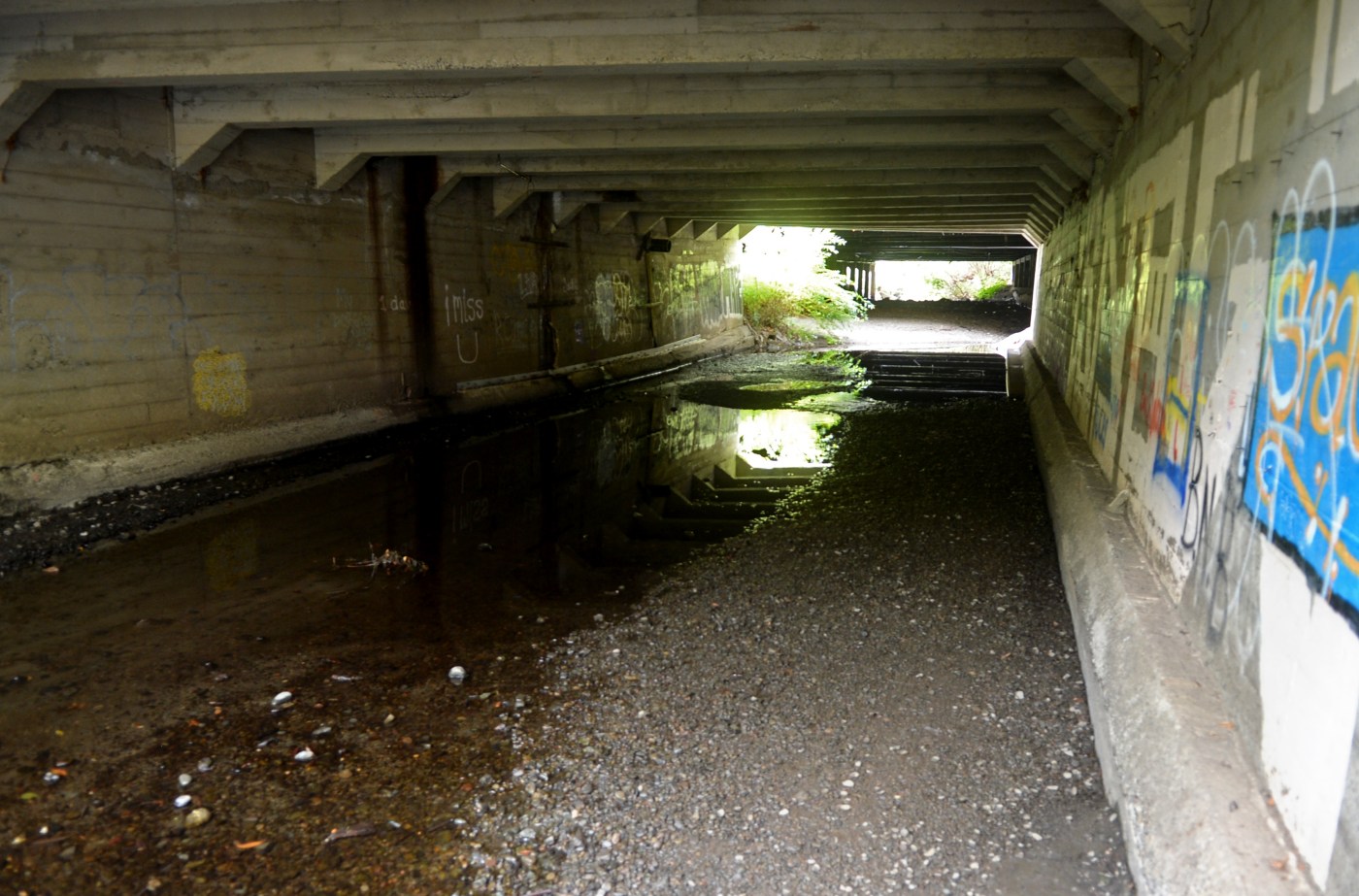
The bridge’s removal is part of a broader flood risk reduction initiative aimed at protecting approximately 500 homes in Ross Valley. The county has declared the bridge structurally unsound, arguing that it obstructs the creek’s natural flow, thereby exacerbating flooding during storms. The structure, which became a favored gathering space during the COVID-19 pandemic, has garnered support among residents who wish to preserve it.
In a briefing to the San Anselmo Town Council in September, public works officials indicated that the project could be put out to bid by the end of 2024, with demolition potentially starting in the summer of 2027. Christopher Blunk, director of public works, expressed concern that the recent developments could significantly delay the project. He noted, “If we don’t have unanimous approval from the impacted property owners, the project may not be able to move forward at all, at least as it’s been designed and contemplated to date.”
The county has reached out to property owners it believes are entitled to flood mitigation, informing them that their agreement or objections to the proposed measures are needed by February 28, 2024. Many owners reside along Sir Francis Drake Boulevard in Ross. Several have expressed that they are unable to make an informed decision until the county provides clearer details regarding the mitigation options.
One affected homeowner, John Crane, stated, “I have been seeking clarity on mitigation since 2018. I have never gotten clear answers from the county.” Crane noted that the county previously claimed his home had flooded in the past, a statement that was contradicted by the county’s former public works director, Rosemarie Gaglione, in 2024, who clarified that mitigation would not be necessary for homes that flooded before the project.
Another property owner, Jennifer Mota, articulated her frustration over the lack of communication from the county, stating she had submitted a list of questions in August but received no response. Mota described the county’s recent mitigation offer as inadequate, indicating that simply adding vents and raising utility outlet boxes would not suffice. “My understanding is that they should be either raising my house or building some sort of flood wall barrier,” she said.
Residents like Samantha Hobart have voiced concerns that removing the bridge will lead to flooding under their homes. Hobart argued that property owners are willing to agree to mitigation, but the flood district has failed to clearly define what support will be provided. “They’ve gone back and forth on what they’re going to do,” she said.
Another concern raised by Crane suggested that the county may lack the financial resources to provide effective mitigation, particularly after spending an estimated $50 million to $60 million on consulting and engineering fees. At the September council meeting, Blunk estimated the total cost of the flood protection project at $18.2 million, asserting that funding was secured through grants and resources from Flood Control Zone 9. However, project manager Judd Goodman revealed that only $400,000 had been allocated for mitigation efforts.
The financial sustainability of the project is further complicated by a stormwater drainage fee established by Ross Valley, which is set to expire in June 2027. This fee currently generates approximately $2.6 million annually. Without this revenue, Zone 9 would have to rely on the limited property tax revenue to cover its annual operating expenses of $335,000.
Former San Anselmo council member Ford Greene criticized the county’s handling of the mitigation estimates, suggesting that they have fluctuated between $3 million and $11 million. He expressed skepticism regarding the property owners’ willingness to accept the offered mitigation solutions, predicting that ownership of the bridge might revert to the town of San Anselmo for a nominal fee, allowing the plaza to reopen by next summer.
As the county navigates these complexities, the future of the San Anselmo bridge remains uncertain, with the community eagerly awaiting clarity on the proposed mitigation measures and the timeline for the flood protection project.