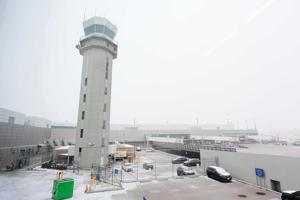
A significant winter storm wreaked havoc on travel across the United States on March 10, 2024, leading to the cancellation of nearly 10,300 flights as airlines struggled to manage the impact of severe weather. According to the National Weather Service, the storm affected nearly 180 million people, encompassing a broad swath from the southern Rocky Mountains to New England.
The storm initially swept through the southern states, bringing widespread snow, sleet, and freezing rain. Forecasts indicated that the storm would move into the Northeast, potentially depositing between 1 to 2 feet (30 to 60 centimeters) of snow across major cities, including Washington, New York, and Boston.
As of Sunday morning, data from flight-tracking site FlightAware confirmed that this weather event marked the highest number of flight cancellations since the onset of the pandemic. Major airports faced significant disruptions, with Ronald Reagan Washington National Airport reporting the cancellation of all 420 departing flights for the day.
Travelers faced challenges at several major hubs, including Dallas-Fort Worth, Charlotte, Philadelphia, and Atlanta, which is home to the nation’s busiest airport. New York’s John F. Kennedy International Airport and LaGuardia Airport also experienced severe interruptions.
Airlines reported substantial cancellations. American Airlines canceled over 1,400 flights, which accounted for approximately 46% of its scheduled operations. Delta Air Lines reported over 1,300 cancellations, while Southwest Airlines and United Airlines canceled over 1,260 and 900 flights, respectively. JetBlue Airways faced a particularly hard hit, with more than 570 cancellations, representing around 71% of its flights for the day.
Travelers affected by these cancellations are advised to take specific actions to mitigate the impact of the storm on their plans. If at the airport, it is best to get in line to speak to a customer service representative. For those still at home or in a hotel, connecting with the airline’s reservations team via phone or online is recommended. Researching alternate flights in advance can also provide options while waiting to speak with an agent.
Most airlines will rebook passengers on later flights without additional charges, although availability can vary. Travelers may inquire about being booked on another airline; however, it is important to note that airlines are not obligated to do so.
In the event of a canceled flight, passengers are entitled to a full refund, even for non-refundable tickets. This applies regardless of the cancellation’s cause, and airlines must also refund any additional fees incurred for services not rendered, such as checked baggage or seat upgrades.
As the storm continues to move across the nation, airlines and travelers alike remain vigilant, navigating the challenges posed by this severe winter weather.