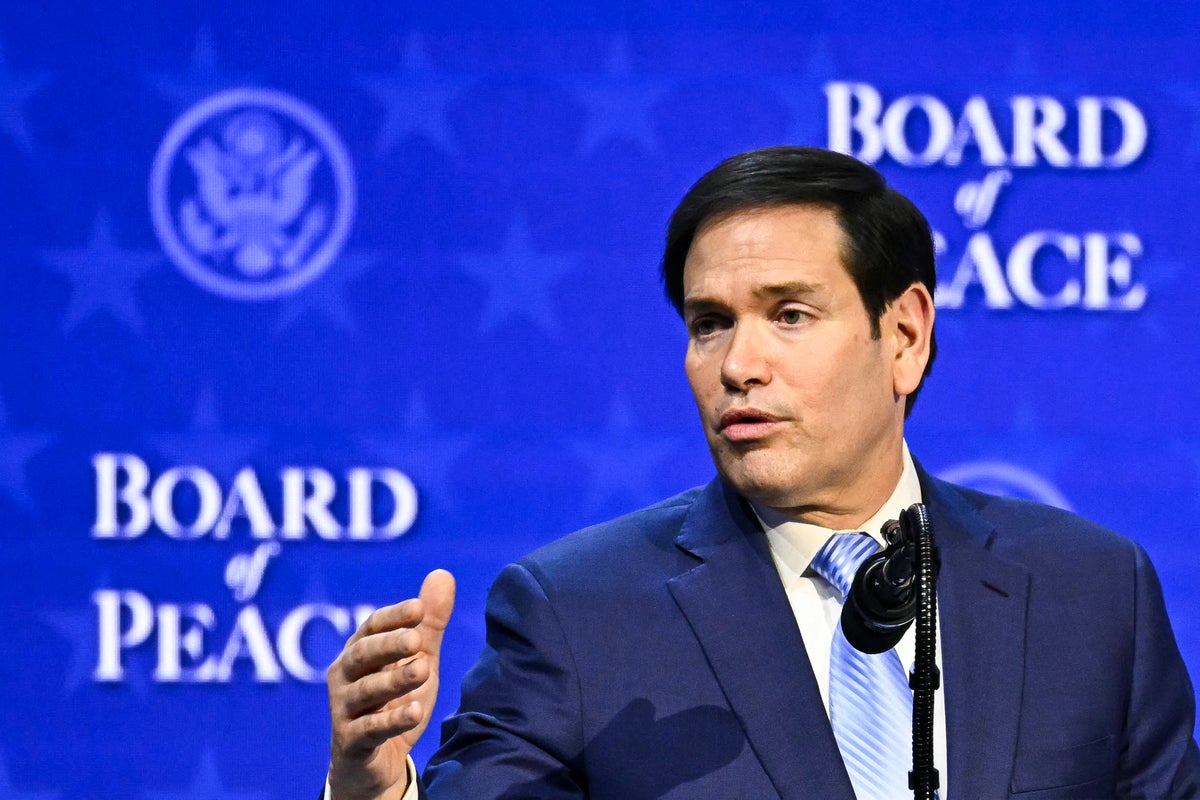
UPDATE: New documents have emerged, revealing that Secretary of State Marco Rubio personally approved the arrests of five international student activists advocating for Palestinian rights. These revelations come from government records unsealed by a federal judge on July 27, 2023, amid ongoing legal challenges against the Trump administration’s tactics.
The documents, released after a lengthy legal battle, highlight accusations that the Trump administration engaged in an unconstitutional campaign against campus activists. District Judge William Young found that Rubio and other officials, including Homeland Security Secretary Kristi Noem, conspired to infringe upon the First Amendment rights of students through threats of visa revocation, arrest, and deportation.
The unsealed records show Rubio directed efforts to deport significant activist figures, including Columbia University’s Mahmoud Khalil, before their arrests last year. A senior diplomat advised against targeting these students, warning that their deportation could lead to extensive legal challenges. One memo concerning Mohsen Madhawi, a green card holder arrested during a citizenship interview, cautioned that his actions were closely tied to protected speech, likely attracting judicial scrutiny.
Documents also reveal that the Trump administration relied on a seldom-used Red Scare-era law to justify these actions, despite acknowledging a lack of substantive grounds for deportation. The targeted activists, including Tufts University PhD student Rumeysa Ozturk and Georgetown scholar Badar Khan Suri, have vehemently rejected allegations of promoting antisemitism or supporting terrorism.
In a public statement, Rubio claimed these students’ activities undermined U.S. foreign policy interests. He proudly stated he revoked hundreds of student visas linked to campus activism. However, even Homeland Security officials admitted they could not find legal justifications for the deportations, leading to a stark contradiction in the administration’s public rhetoric.
Four of the students at the center of this controversy were released from Immigration and Customs Enforcement (ICE) custody last year after federal judges intervened. Another, Yunseo Chung, secured a restraining order before her potential arrest. However, the Trump administration continues to pursue their deportation, with Khalil facing threats of being sent to Algeria following a recent appeals court ruling.
Judge Young expressed his astonishment at the government’s actions, stating, “I find it breathtaking that I have been compelled in the evidence to find the conduct of such high-level officers of our government, cabinet secretaries, conspiring to infringe the First Amendment rights.” He emphasized the gravity of the situation, questioning how such high-ranking officials could act against the rights of lawful residents.
The unsealed documents also included intelligence gathered by pro-Israel group Canary Mission, which aims to document individuals opposing U.S. and Israeli policies. The group’s reliance on media coverage of pro-Palestine demonstrations raises ethical concerns regarding the motivations behind these targeted actions.
The judge’s ruling has significant implications for the future of student activism and free speech in the U.S. He warned that any further attempts to deport the students involved in the lawsuit would likely be viewed as unlawful retaliation, a critical development for those advocating for Palestinian rights on campuses across the country.
As the situation evolves, advocates and legal representatives are closely monitoring the Trump administration’s next steps. The fight for these students’ rights continues, drawing attention to the intersection of activism, immigration policy, and free speech in America.