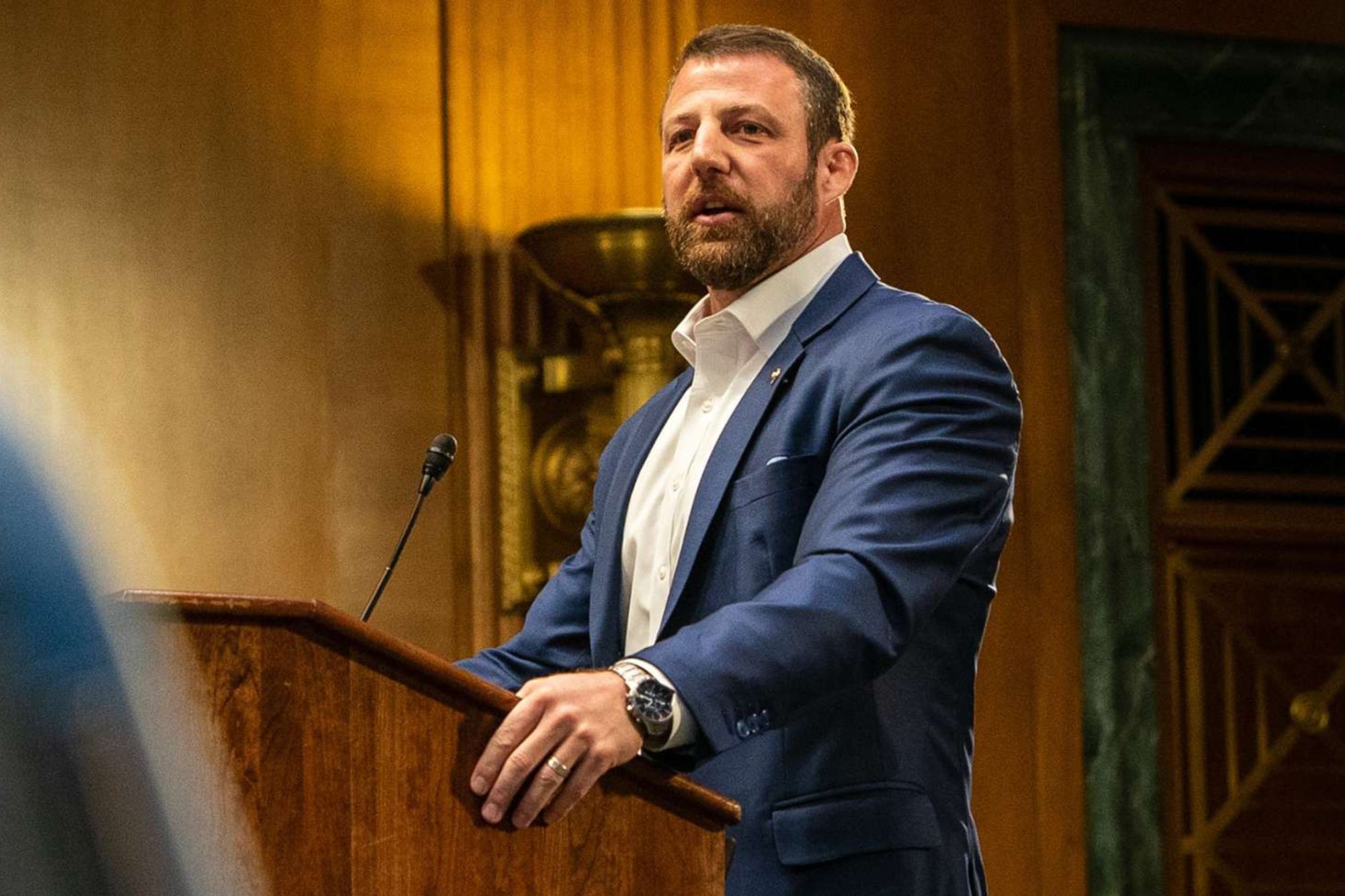
Republican Senator Markwayne Mullin made significant investments in Chevron Corporation and RTX Corporation just days before the United States executed a major operation targeting Venezuelan leader Nicolás Maduro. Financial disclosures reviewed by Quiver Quantitative reveal that Mullin purchased between $15,001 and $50,000 worth of shares in each company on December 29, 2025. This investment occurred less than a week prior to U.S. authorities capturing Maduro on January 3, 2026 as part of an escalating campaign against the Venezuelan government.
The transactions were jointly owned and made public on January 16, 2026. Mullin, who serves on the Senate Armed Services Committee, has a direct role in overseeing U.S. military policy, defense programs, and national security matters. His financial moves have drawn scrutiny, particularly given Chevron’s direct exposure to U.S. policy regarding Venezuela, including sanctions and oil-sector restrictions. RTX, a prominent defense contractor, also has revenue closely linked to U.S. military procurement.
Since Mullin’s purchases, Chevron shares have increased by approximately 10.1%, while RTX shares have risen about 9.5%. This performance notably outstrips the largely flat S&P 500 over the same timeframe.
In previous interviews, Mullin defended the actions taken by the Trump administration against Venezuela, asserting that U.S. ground troops would not be deployed in the country. During a segment on CNN’s State of the Union, he stated, “He’s made it very clear we’re not going to put troops into Venezuela,” emphasizing that the administration’s focus was on maritime and aerial enforcement. Mullin reiterated that the objective was to “protect our own shores.”
He also expressed support for U.S. military operations targeting vessels accused of drug trafficking in the Caribbean, downplaying concerns about their legality. “Why do we care if we take them out in international water?” he questioned during the same interview.
Mullin further asserted that the Trump administration had provided Maduro an opportunity to leave the country voluntarily, suggesting destinations like Russia or other nations. He conveyed that U.S. pressure aimed to compel Maduro and senior regime officials to exit.
As the situation in Venezuela continues to evolve, Mullin’s financial decisions and public statements highlight the intersection of politics and investment, raising questions about the implications of such actions for legislative integrity and international relations.