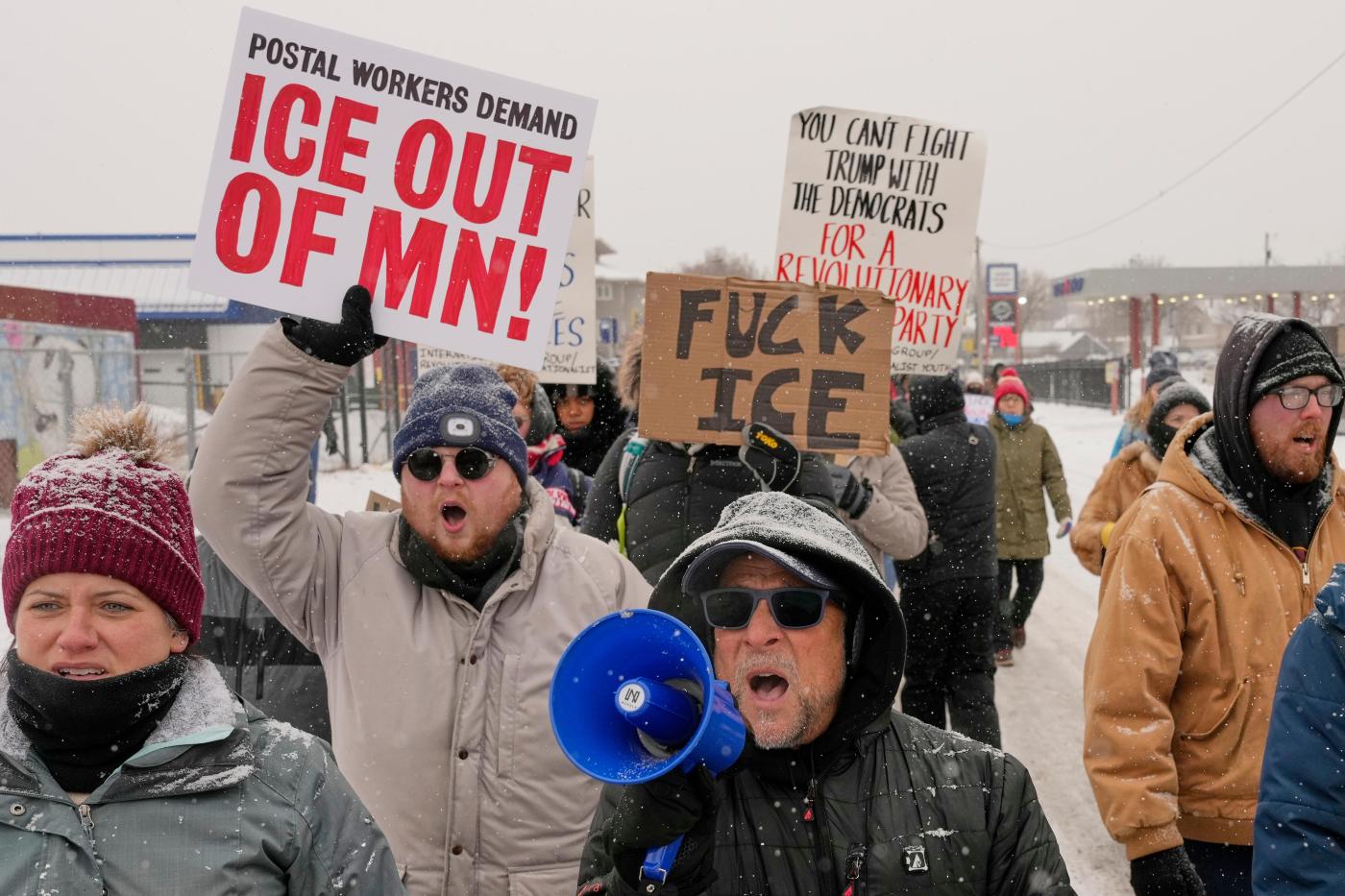
The ongoing policies and actions of the Trump administration are generating significant fear among citizens, as expressed in a series of letters to the editor. Concerns range from perceived state-sanctioned violence to the broader implications for international relations and domestic law enforcement.
Public Fear and Perception of Violence
Stephen Gutierrez from Castro Valley voiced his apprehension regarding the actions of law enforcement under the Trump administration. He referenced a controversial incident in Minnesota, where he claims a “virtuous citizen” was shot by an ICE agent in what he describes as an unnecessary use of deadly force. Gutierrez emphasized that the incident reflects a broader culture of “lawlessness” under Trump, stating, “Everybody is fair game in the lawless regime of Donald Trump. State-sanctioned murder is okay if the victim doesn’t fit the profile of a ‘true American.’ I’m scared.”
In response to Gutierrez, John Griggs questioned the validity of his conclusions without firsthand knowledge of the event. Griggs urged a more nuanced understanding and suggested that citizens should seek information from reliable sources rather than accepting narratives pushed by certain officials.
International Relations and National Security
Robert Douglass expressed concern over the Trump administration’s handling of foreign relations, particularly with NATO allies. He highlighted the importance of Greenland, which possesses strategic mineral deposits crucial for various industries, including defense. Douglass criticized the administration’s actions, implying that a competent approach could lead to mutually beneficial agreements for Greenland, Denmark, and the United States. He stated, “A proverbial ‘win-win-win’ is within reach for Greenland, Denmark and the U.S., for the defense of NATO and Greenland’s economy.”
The discourse surrounding domestic protests also reflects a growing divide. Daniel Mauthe pointed out that the lack of dialogue between opposing sides is leading to dangerous territory. He noted that both protesters and law enforcement appear to have vague and unspecified goals, which could exacerbate conflict rather than resolve it.
In a related incident, Gregory Vandenberg, a former Navy SEAL, was convicted on charges related to transporting explosives intended for use against law enforcement during protests in San Diego. This case raises questions about the definition of domestic terrorism, as some argue that the label is inconsistently applied depending on the political context.
Overall, letters from citizens reflect deep concerns over the implications of current policies and actions. As America navigates these complex issues, the dialogue around law enforcement, international relations, and domestic unrest continues to evolve, shaping the future landscape of the nation.