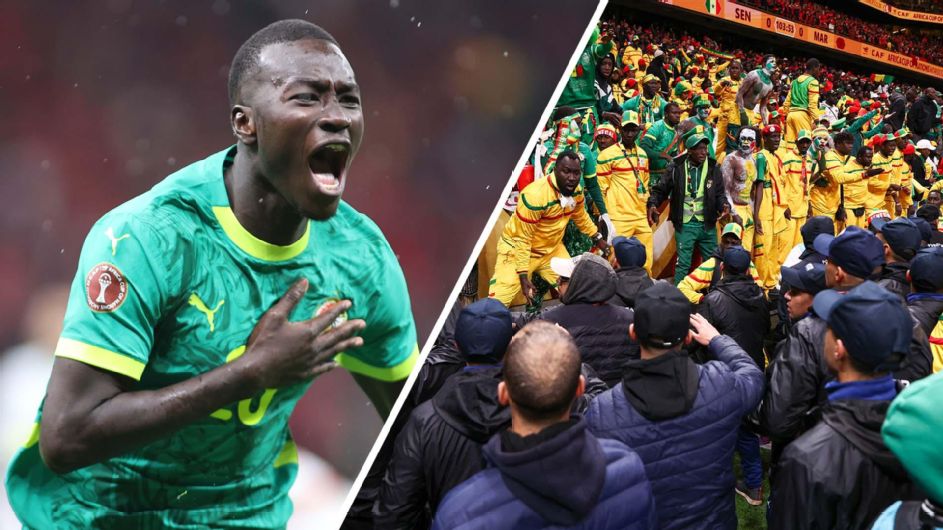
The final match of the Africa Cup of Nations (AFCON) between Morocco and Senegal descended into chaos on January 18, 2026, in Rabat, marking a controversial conclusion to the tournament. Senegal emerged victorious, securing their second title in three tournaments, with a dramatic extra-time goal from Pape Gueye. However, the match will be remembered for the turmoil surrounding two contentious penalty decisions and a mass walk-off by Senegalese players, which nearly resulted in the abandonment of the game.
Morocco had long harbored aspirations of winning the tournament on home soil, ending a 50-year wait to return to the pinnacle of African football. The anticipation was palpable, with Moroccan FA President Faouzi Lekjaa present, alongside footballing dignitaries like Gianni Infantino and Dr. Patrice Motsepe. Yet, the dream of a fairytale victory was shattered amidst accusations, protests, and a palpable sense of injustice.
The match took a dramatic turn in the closing stages. Senegal appeared to have scored a winning goal in the third minute of stoppage time, only for it to be disallowed due to an alleged foul in the build-up. Referee Jean-Jacques Ndala did not consult VAR, igniting frustration from Senegalese players and supporters. Subsequently, a foul on Moroccan player Brahim Díaz led to a penalty call after intense appeals. The atmosphere in the stadium escalated, as both teams clashed over the referee’s decisions.
As tensions mounted, Senegal’s players, led by head coach Pape Thiaw, began to leave the pitch in protest. Sadio Mané, remaining on the field, acted as a peacekeeper, ultimately urging his teammates to return. This moment illustrated the fragile balance between sportsmanship and the frustration felt by players over officiating standards. “What we felt was injustice,” Gueye stated after the match, emphasizing the team’s frustration with the referee’s decisions.
Despite the chaos, Morocco was awarded a penalty, and Díaz stepped up to take it after a lengthy delay. His attempt, however, was a panenka that landed in the arms of Senegal’s goalkeeper Édouard Mendy. The miss was not just a failure; it embodied the tension and confusion that had enveloped the match. The lack of celebration from Senegal’s players following the save suggested an eerie acceptance of the circumstances.
The aftermath of the final will provoke discussions about sportsmanship and the integrity of the tournament. Coach Regragui of Morocco expressed disappointment, labeling the match “shameful for Africa,” while Thiaw’s actions raised questions about the implications of player protests on the field.
The AFCON has faced scrutiny throughout the tournament, with claims of unfair treatment and unsporting tactics by Morocco. This atmosphere of tension culminated in a final that has left an indelible mark on the tournament’s reputation. As the dust settles, the future of AFCON and the relationships between these two footballing nations will be under close examination.
The chaotic conclusion to the final serves as a stark reminder that sport can often be as unpredictable as it is thrilling, with moments that challenge the very essence of fair play and competition.