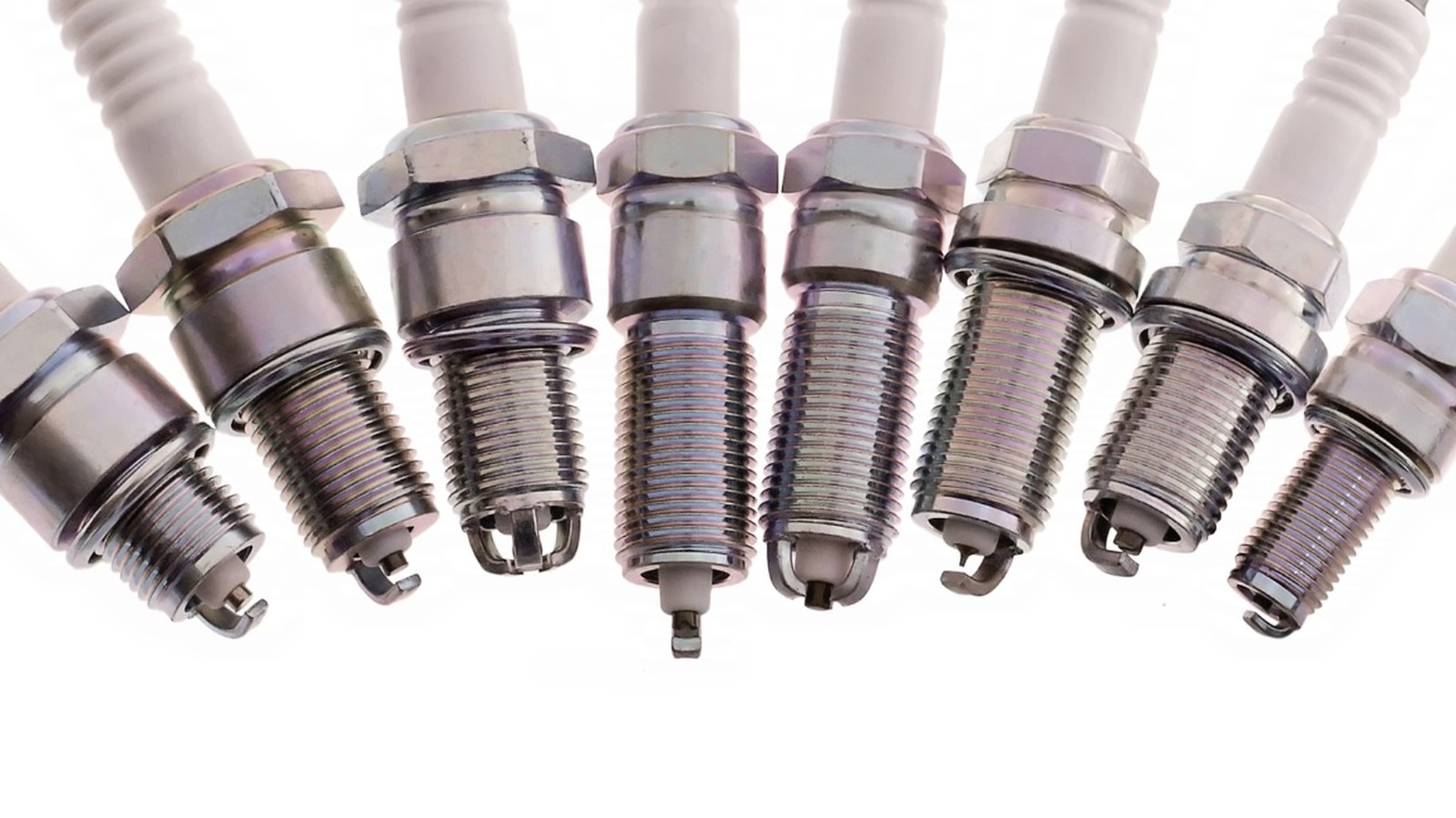
BREAKING: New insights into spark plug designs reveal critical differences that could significantly impact engine performance. Recent discussions in automotive circles highlight how the shape and size of spark plug tips vary based on the specific needs of engines, especially those used in racing and turbocharged applications.
Understanding these variations is essential for car enthusiasts and everyday drivers alike, as they can influence engine efficiency and longevity. Spark plugs are not just simple components; they play a pivotal role in how engines perform under pressure. The latest developments point to a growing trend among engineers towards optimizing spark plug designs for better combustion efficiency.
Just announced: Engineers are prioritizing specific spark plug configurations for performance engines, which require colder spark plugs that protrude less into the cylinder. In contrast, most consumer vehicles benefit from hotter plugs that fire closer to the piston. This distinction is crucial as it affects how well the engine runs—especially under different driving conditions.
Current designs now feature extended thread areas and center electrodes that stick out further than traditional models. This change stems from a need for a more efficient ignition process, particularly as internal combustion engines evolve. The increased length of spark plugs is indicative of a broader trend in automotive technology, aiming to improve performance through enhanced combustion efficiency.
Moreover, the shift towards smaller center electrodes has been significant. Premium spark plugs now boast diameters as small as 0.4 mm to 0.6 mm, thanks to the use of durable materials like iridium and platinum. These materials offer superior heat resistance compared to traditional copper, allowing for smaller tips that still perform effectively.
In addition, the distinction between hot and cold spark plugs cannot be overlooked. Cold spark plugs operate at lower temperatures and are essential for high-performance engines, which face extreme heat. Conversely, consumer vehicles typically use hot plugs that run at higher temperatures to prevent fouling and maintain efficiency.
Why does this matter NOW? As auto manufacturers continue to innovate, understanding these differences can help drivers make informed choices about their vehicles. Whether you’re a racing enthusiast or simply looking to maintain your everyday car, knowing which spark plug to use can lead to enhanced performance and longer-lasting engine health.
Next steps for consumers include checking spark plug specifications against manufacturer recommendations to ensure optimal performance. Many modern vehicles come with pre-gapped plugs, but it’s advisable to double-check these measurements.
With advancements in spark plug technology moving rapidly, staying informed about the latest developments is crucial. As you consider upgrades, remember that not all spark plugs are created equal—especially when it comes to applications in high-performance scenarios.
In summary, the differences in spark plug tip shapes and sizes reflect critical engineering decisions aimed at maximizing engine performance under varied conditions. As drivers, understanding these nuances can help you optimize your vehicle’s efficiency and longevity. Stay tuned for more updates as the automotive industry continues to innovate!