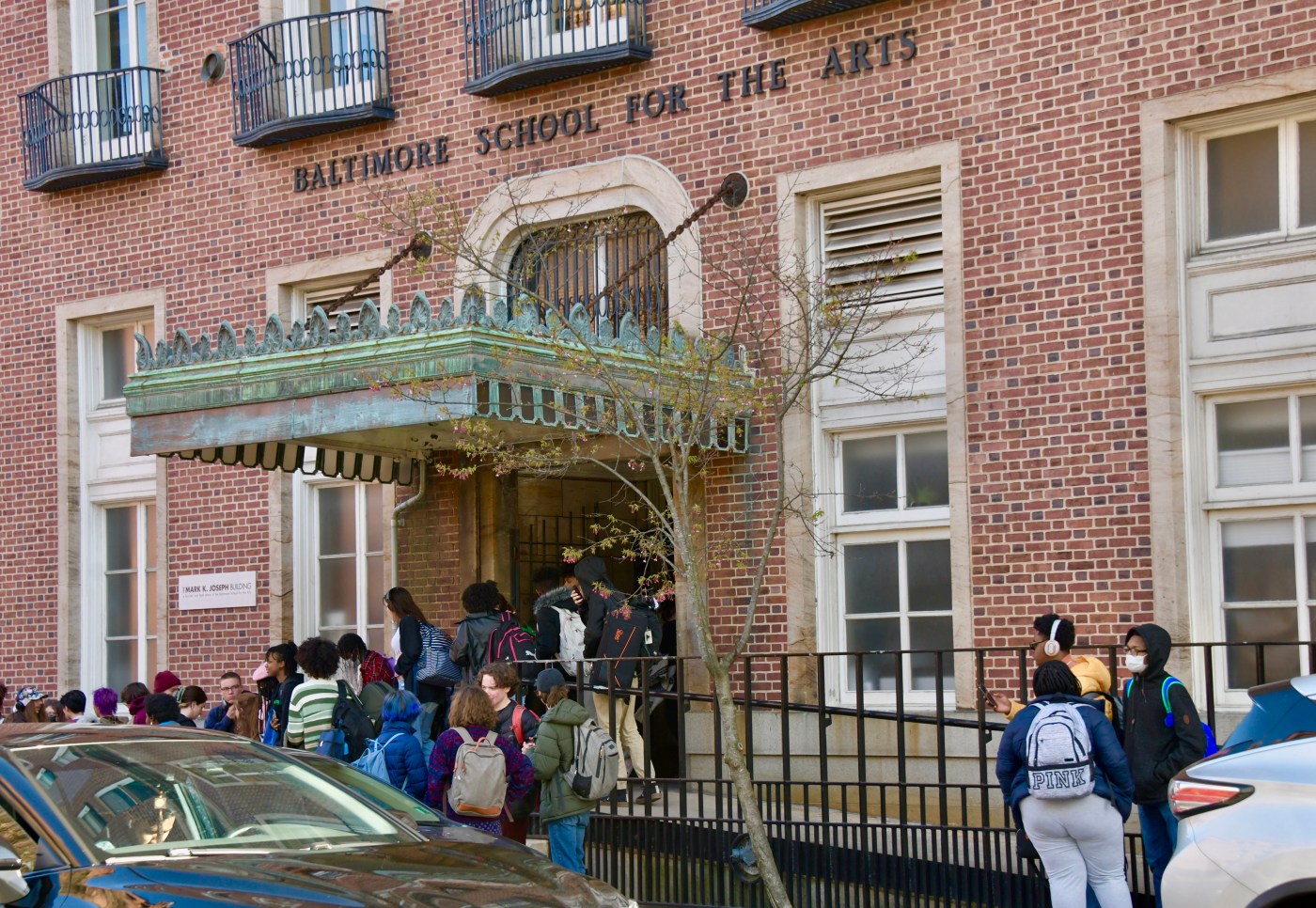
As Maryland navigates another challenging budget year, arts education is once again under threat. This comes at a time when the value of creative skills is increasingly recognized across various industries. The Baltimore School for the Arts (BSA), where transformative experiences shape young lives, exemplifies the critical role that arts education plays in student development and economic growth.
Over the past decade, BSA has witnessed the profound changes that arts education can bring. Students arrive as uncertain ninth graders and leave as confident seniors, ready to embrace their futures. This transformation is not coincidental; it stems from rigorous training, consistent mentorship, and opportunities that help students discover their unique talents. Unfortunately, these enriching experiences are often the first to be cut when budgets tighten.
The impact of reducing arts funding extends beyond the classroom. According to the World Economic Forum’s 2025 Future of Jobs Report, creative thinking is one of the most essential skills needed for the future workforce. Yet, programs that foster such abilities—dance, visual arts, music, and theater—are frequently the first to be downsized. As employers in Maryland’s technology, life sciences, and healthcare sectors continue to emphasize the need for problem-solving, communication, and adaptability, the state risks undermining its long-term talent pipeline.
The positive results seen at BSA further illustrate the importance of arts education. Without academic entrance requirements, students consistently surpass city, state, and national benchmarks. Recent data shows an impressive 96-98% attendance rate and a remarkable 100% graduation rate, alongside strong Advanced Placement results across more than 15 subjects. More than 40% of students maintain a GPA between 3.5 and 3.99, highlighting the connection between arts education and academic achievement.
In Baltimore, programs like TWIGS, which offers free after-school and weekend arts instruction to 515 students in grades 2–8, serve as a vital resource for equity. For many of these children, TWIGS represents their first opportunity to view themselves as capable and creative. The confidence gained through such programs often translates into improved performance in the classroom and beyond.
Despite the evident benefits, early-access arts programs are among the first to face funding cuts. This not only harms students who rely on these opportunities but also diminishes the overall educational landscape.
Moreover, arts education contributes significantly to Maryland’s economic competitiveness. Schools like BSA produce graduates who excel in diverse fields, from healthcare to technology and public service. These alumni are equipped with the creative problem-solving skills that are increasingly in demand in today’s job market. Cities nationwide are investing in cultural infrastructure because they understand its role in driving economic growth. Baltimore has already established a robust creative foundation, and dismantling it would be a significant setback.
While budget constraints are a reality, the cost of neglecting the future generation is equally real. Maryland is bolstering its positions in high-growth sectors such as AI, cybersecurity, and biotechnology—fields that require critical thinking and collaboration. Such skills are nurtured through arts education, which encourages exploration and creativity rather than rote memorization.
As state and district leaders prepare for upcoming budget discussions, it is crucial to protect arts programs from disproportionate cuts. Funding formulas should prioritize creative skill-building, and programs like TWIGS should be sustained and expanded. Recognizing arts education as a necessary component of workforce development is essential for Maryland’s future.
The stakes are too high for arts education to be treated as optional. The need for innovative thinkers, leaders, and problem-solvers has never been greater, and arts education is foundational to developing these qualities. Maryland’s economic competitiveness hinges on investing in the next generation—fostering the creativity and talent that will shape the workforce of tomorrow.