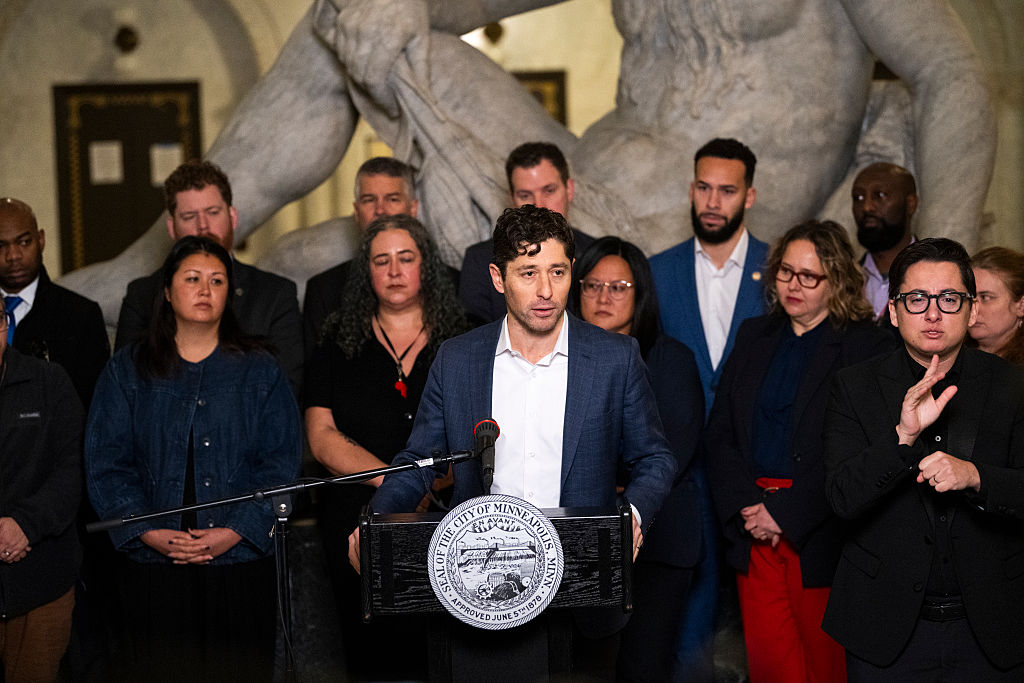
The U.S. Justice Department has initiated a criminal investigation into Tim Walz, the Governor of Minnesota, and Jacob Frey, the Mayor of Minneapolis. This inquiry escalates a growing conflict between federal immigration authorities and local leaders regarding immigration enforcement practices.
According to a report from CBS News, federal prosecutors are examining whether the public statements and actions of Walz and Frey unlawfully interfered with federal operations conducted by the U.S. Immigration and Customs Enforcement (ICE) in Minneapolis. This investigation follows a series of contentious actions by ICE, including a fatal shooting and multiple arrests, which have sparked protests and drawn national attention.
While neither Walz nor Frey has been charged with any crime, subpoenas have reportedly been issued as part of the investigation. Federal officials are assessing whether the actions of these leaders could be viewed as obstruction or conspiracy aimed at impeding federal law enforcement efforts. Such applications of the law toward sitting elected officials are rare and politically charged.
Both Walz and Frey have defended their actions, asserting that they are acting within their rights and responsibilities to safeguard residents and address public safety concerns. Minnesota officials have characterized the Justice Department’s investigation as retaliatory, suggesting it may criminalize legitimate political discourse.
Political Tensions Rise in Minneapolis
The investigation takes place against a backdrop of increasing tensions in Minneapolis, where residents and local leaders have accused federal immigration agents of employing aggressive tactics and operating with insufficient transparency. Local officials have also expressed frustration over their interactions with federal authorities, particularly following the recent fatal ICE shooting.
Legal experts indicate that this investigation may raise broader questions regarding the balance of power between federal immigration enforcement and state and local governments. Additionally, it prompts a discussion on the boundaries of political speech versus alleged interference during critical situations.
The Justice Department has declined to provide detailed comments, citing the ongoing nature of the investigation. As the situation unfolds, the implications of this inquiry may have lasting effects on the relationship between local governance and federal authority in matters of immigration enforcement.
In light of these events, both Walz and Frey continue to advocate for their constituents, emphasizing their commitment to ensuring community safety while navigating the complexities of immigration policy and enforcement.