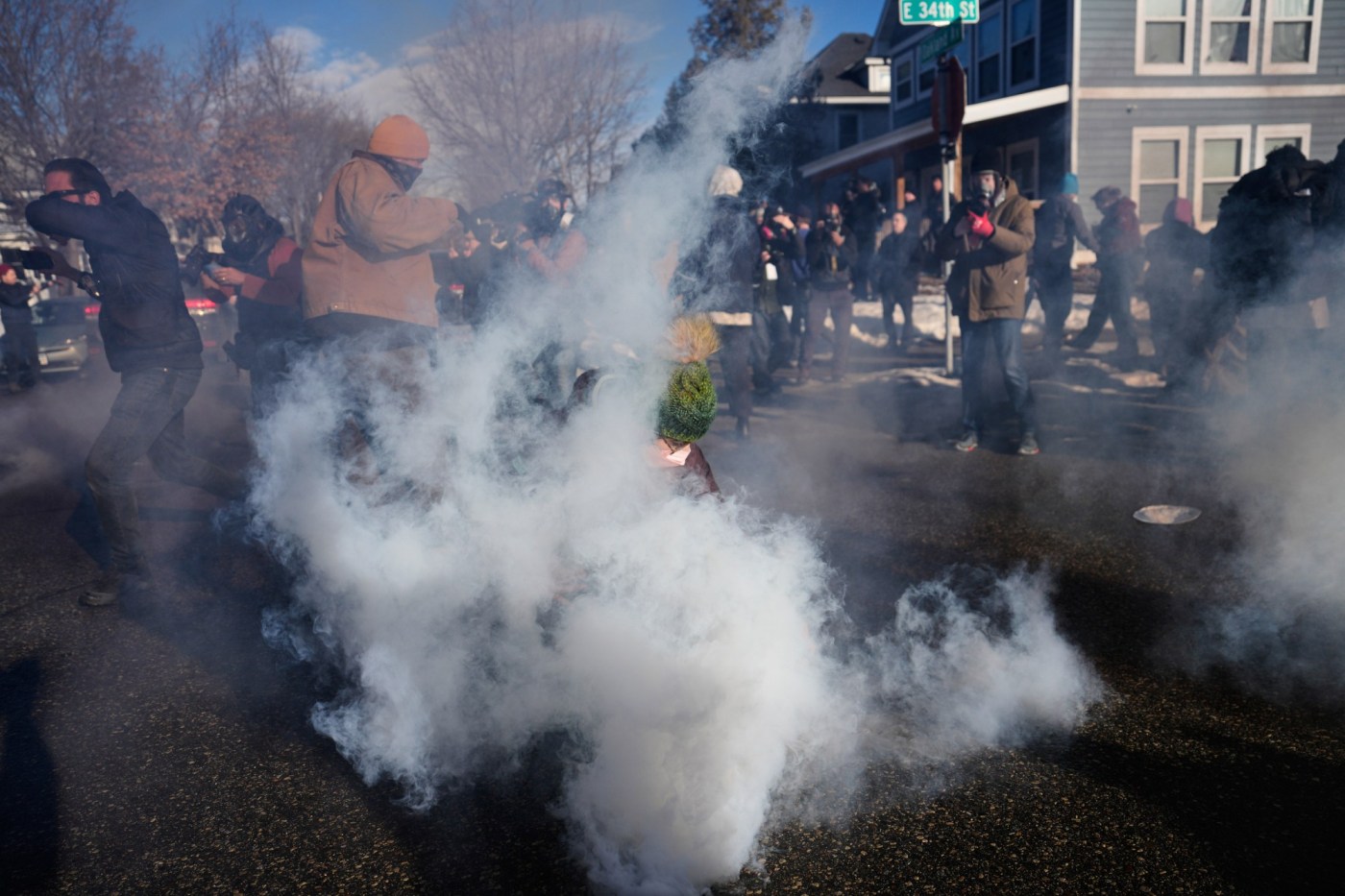
The deployment of hundreds of federal immigration agents to Minneapolis has resulted in significant unrest, highlighted by the tragic shooting death of a 37-year-old mother of three by an ICE agent. This incident has intensified mistrust between the community and law enforcement, sparking protests that have occasionally escalated into confrontations. In response, President Trump has ordered additional federal agents to the area and is considering invoking the Insurrection Act, which would enable military intervention to suppress protests.
In light of these developments, Rick Pozniak, a crisis communication expert from Billerica, emphasizes the critical need for de-escalation training among ICE officers. Pozniak notes that de-escalation is a fundamental principle in crisis management, applicable not only in high-stakes situations like hostage scenarios but also in tense public demonstrations.
Call for Tactical Change in ICE Operations
The current environment in Minnesota, marked by heightened tensions, necessitates a shift in tactics employed by federal enforcement units. Pozniak argues that the presence of heavily armed agents can exacerbate fear and anger, making it essential to adopt a more measured approach. He advocates for a temporary withdrawal of ICE enforcement teams to allow for a cooling-off period, which could facilitate mourning for the deceased and enable an unbiased investigation into the shooting.
This period of reduced federal presence could also create space for community dialogue, free from the intimidation of armed agents. During this time, Pozniak suggests that federal immigration responsibilities could still be managed through open communication and cooperation with local law enforcement and oversight bodies.
The emphasis should be on respect for civil liberties, clear communication, and accountability. When ICE agents return to the community, they should do so in a manner that reflects their role as professional law enforcement partners. This includes eschewing face masks, combat uniforms, and heavy weaponry in favor of a more approachable and accountable presence.
Building Trust Through Professionalism
To restore public trust, it is vital for federal agents to prioritize community safety and accountability in their actions. Pozniak highlights that robust oversight mechanisms must be in place to ensure that enforcement actions do not further damage community relations. He advocates for the adoption of best practices in communication and detainment, similar to those utilized by municipal police departments.
The need for de-escalation tactics is underscored by recent opinion polls indicating that a majority of Americans oppose the current methods employed by ICE. Pozniak, who developed the first crisis communications course at Middlesex Community College, argues that prioritizing de-escalation can protect lives on all sides and is essential in rebuilding the trust that has been eroded amid ongoing tensions.
As the situation in Minneapolis continues to evolve, the call for a shift in strategy among ICE officers becomes increasingly urgent. By focusing on de-escalation and community engagement, there is potential for a more constructive relationship between law enforcement and the communities they serve.