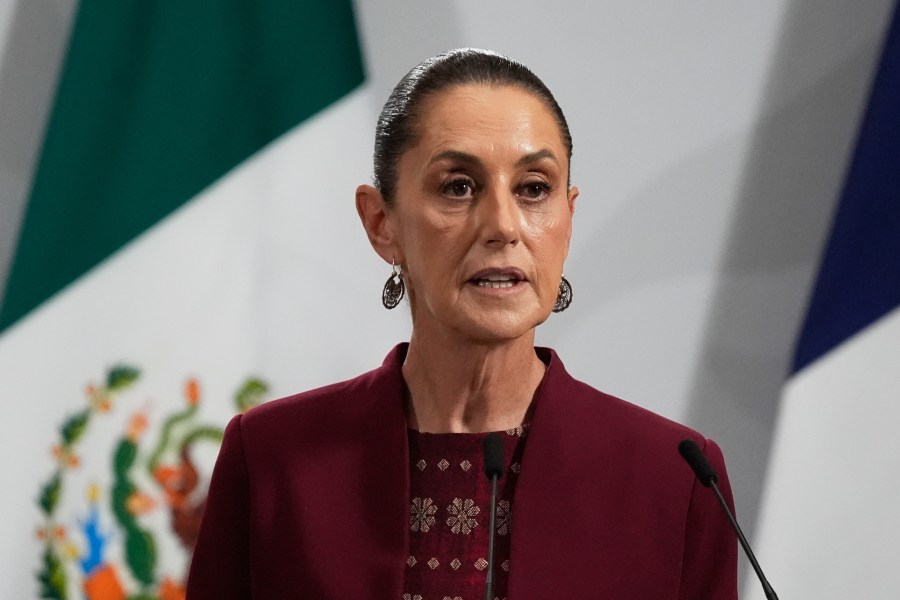
Mexican President Claudia Sheinbaum announced on March 15, 2024, that the government’s initiatives to combat drug cartels and manage migration towards the United States are yielding “compelling results.” This declaration comes in response to escalating threats from U.S. President Donald Trump, who indicated that U.S. military forces may be deployed to intervene in Mexico’s ongoing struggle with organized crime.
During a press conference in Mexico City, Sheinbaum highlighted a significant reduction in cartel-related violence and an increase in the apprehension of individuals attempting to cross the border illegally. She stated, “Our strategies are effective, and we continue to see positive outcomes.” This assertion aims to preempt any potential military interference from the Trump administration, which has expressed dissatisfaction with the situation along the U.S.-Mexico border.
Crackdown on Cartels and Migration Control
Sheinbaum detailed various measures implemented by her administration, including enhanced cooperation with law enforcement agencies and community outreach programs. These initiatives are designed to dismantle cartel operations and address the root causes of migration. The Mexican government has also sought to improve economic conditions in regions heavily affected by cartel violence, thereby reducing the incentive for residents to migrate.
In her remarks, Sheinbaum mentioned a 30% decrease in homicide rates linked to drug trafficking since her administration began its crackdown. This statistic reflects the government’s commitment to restoring safety and security in affected areas. She emphasized that these efforts are critical not only for Mexico but also for the stability of the broader region.
Response to U.S. Threats
The backdrop of Sheinbaum’s comments includes President Trump’s recent statements threatening military action if Mexico fails to adequately address drug trafficking and migration issues. Trump emphasized that U.S. forces “will now start hitting land” if conditions do not improve, raising concerns about potential violations of Mexican sovereignty.
In response, Sheinbaum reiterated her administration’s sovereignty and commitment to addressing the issues independently while maintaining dialogue with the U.S. government. “We are fully capable of handling our challenges. We welcome cooperation but will not allow foreign intervention,” she stated firmly.
As the situation evolves, observers are watching closely to see how U.S.-Mexico relations will develop in light of these tensions. The effectiveness of Sheinbaum’s strategies will likely influence not only domestic safety but also international perceptions of Mexico’s ability to manage its internal affairs.
The coming weeks may reveal more about the potential for collaboration between the two nations, as well as the ongoing challenges posed by organized crime.