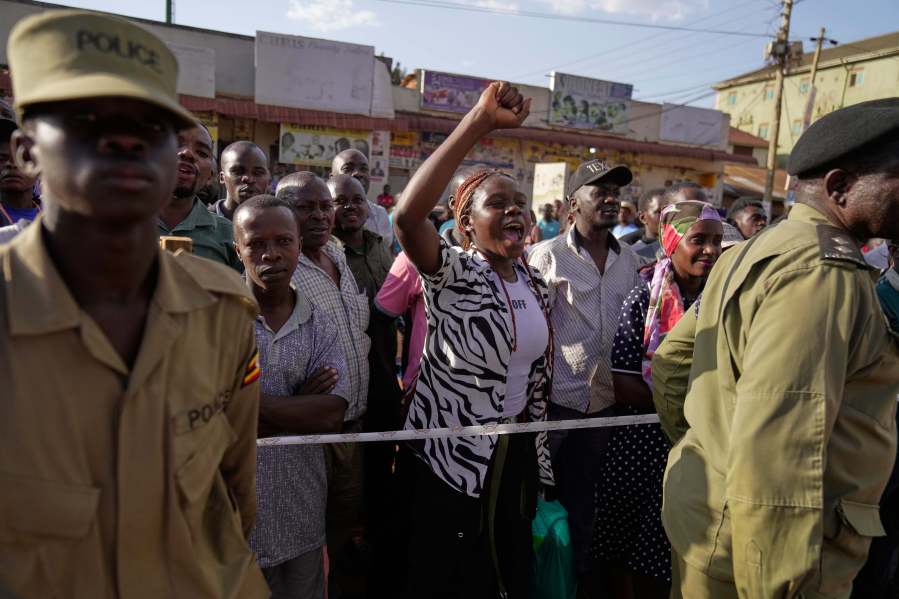
Vote counting commenced on January 15, 2021, in Uganda’s presidential election, following a day marked by significant disruptions. The election, which took place amid an internet shutdown, faced multiple challenges, including extended delays at polling stations and allegations of misconduct from opposition leaders.
Opposition candidate Bobi Wine, who has been a prominent figure in Ugandan politics, voiced serious concerns about the electoral process. He reported that several of his polling agents had been detained by authorities, which he claimed hindered their ability to monitor the voting accurately. “This election is not free and fair,” Wine stated, emphasizing the need for transparency in the counting process.
The Electoral Commission of Uganda has stated that they are adhering to established protocols during the vote counting phase. Despite this, tensions remain high as political observers and citizens await the results. The opposition, led by Bobi Wine, has called for international scrutiny of the electoral process, asserting that the integrity of the election is compromised.
Internet access was restricted on the eve of the election, a move that critics argue was aimed at limiting the flow of information and suppressing dissent. Access to social media platforms was also curtailed, raising concerns about the government’s commitment to democratic principles.
As counting continues, the stakes are high for both the ruling party and the opposition. Bobi Wine has emerged as a key challenger to the long-standing presidency of Yoweri Museveni, who has been in power since 1986. The outcome of this election could have significant implications for Uganda’s political landscape and the broader East African region.
International observers are monitoring the situation closely, with many calling for a transparent process. The African Union and other regional bodies have been urged to assess the situation and ensure that the electoral process is conducted fairly.
Reports from various polling stations indicate that while many voters were able to cast their ballots, instances of intimidation and interference were reported. The opposition has expressed fears that these factors might skew the results in favor of the incumbent government.
As the vote counting progresses, the world watches to see how Uganda navigates this critical moment in its democratic journey. With the potential for unrest and heightened political tensions, the coming days will be crucial in determining the future of governance in Uganda.