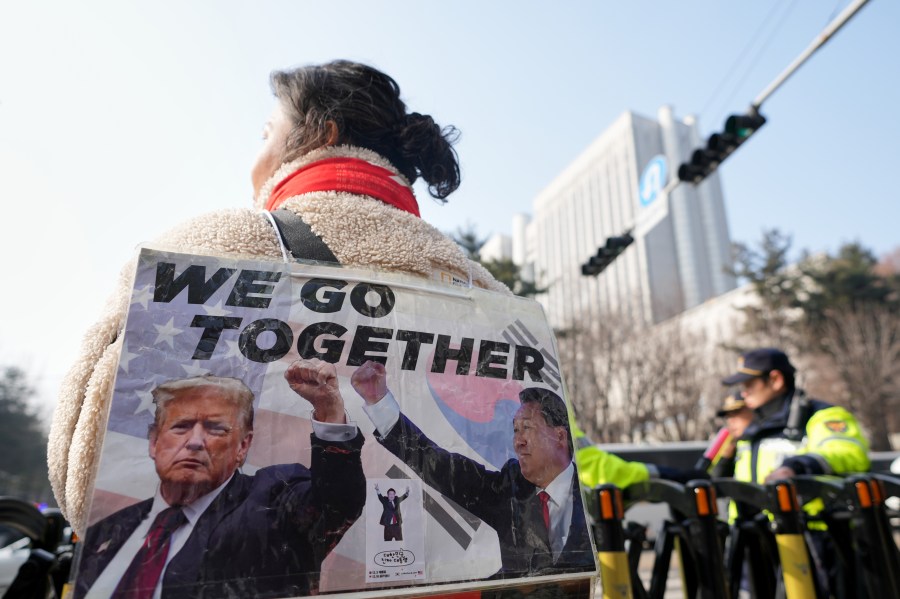
A South Korean court has sentenced former President Yoon Suk Yeol to five years in prison following a verdict related to his controversial imposition of martial law in 2024. The ruling, issued on March 15, 2024, marks the first conviction against Yoon in a series of eight criminal trials tied to the decree and additional allegations stemming from his presidency.
Yoon’s martial law declaration, which took place in late 2024, has been a focal point of significant public and political scrutiny. The court found that his actions during this period were not justified, leading to serious legal ramifications. The decision signifies a crucial moment in South Korean politics, especially as Yoon’s presidency has faced ongoing challenges regarding governance and accountability.
The case reflects broader concerns about political power and the rule of law in South Korea. Legal analysts note that this verdict could set a precedent for future political leaders. The ruling has ignited discussions about the implications of martial law and its appropriateness in a democratic society.
Critics of Yoon’s martial law decree have long argued that it undermined civil liberties and democratic principles. With this conviction, many argue that it reinforces the importance of holding leaders accountable for their actions while in office.
As Yoon embarks on his prison sentence, the political landscape in South Korea may continue to evolve, potentially influencing upcoming elections and the direction of the country. Observers are closely monitoring the situation as it develops, particularly the reactions from Yoon’s supporters and opponents alike.
This verdict not only impacts Yoon’s legacy but also serves as a reminder of the judicial system’s role in maintaining checks and balances within the government. As South Korea navigates this critical period, the repercussions of this ruling will likely resonate throughout the political arena for years to come.