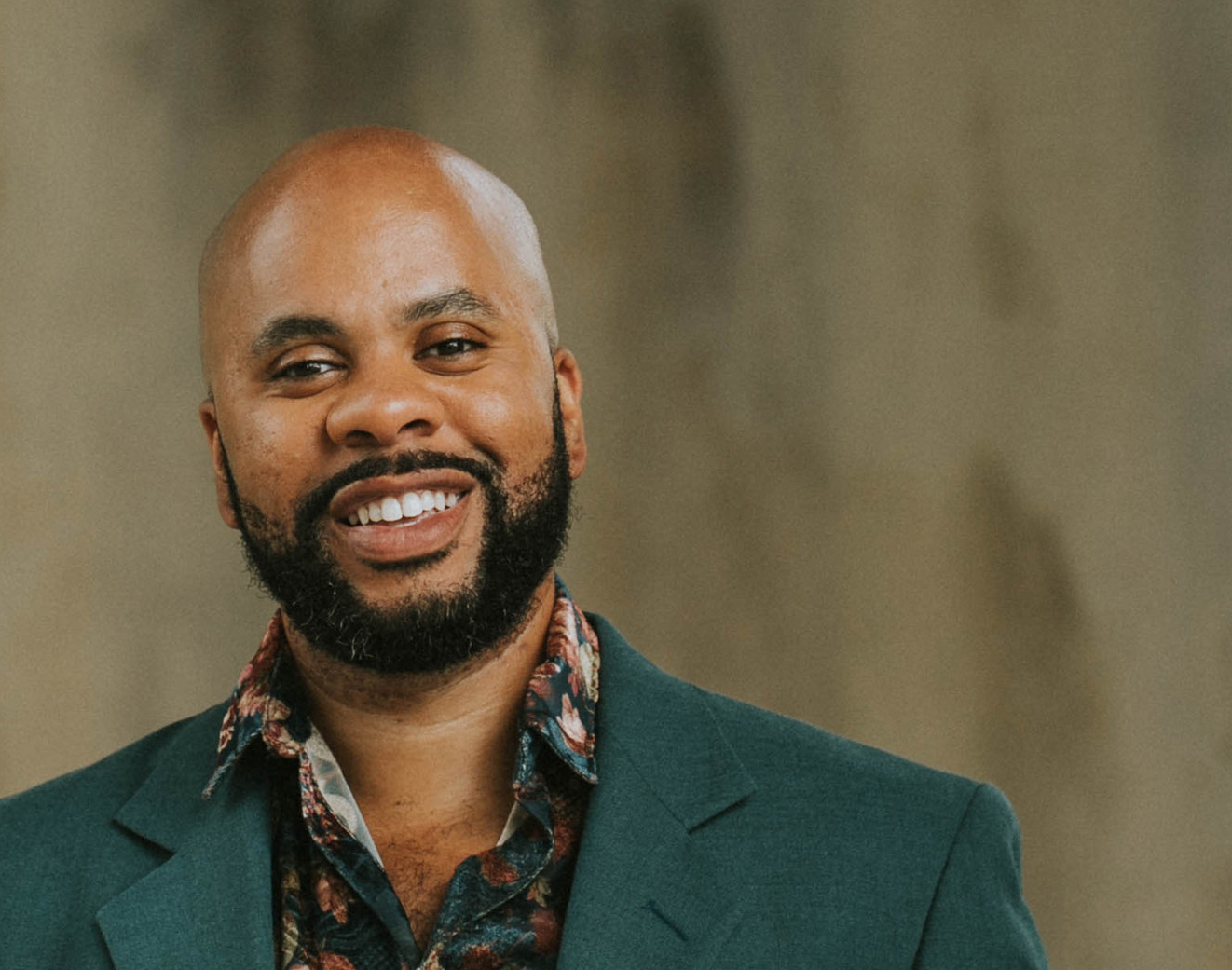
As students across dance studios express a desire for deeper technical instruction, a recent inquiry to dance advice columnist Eric Thomas highlights a growing concern among learners. A group of dancers has voiced their interest in learning more about technique alongside choreography in their classes, specifically mentioning styles like West Coast Swing, which is characterized by its strong technical foundation.
Many students enjoy their current classes and appreciate their instructor’s commitment to teaching individuals of all skill levels. However, they feel that enhancing the focus on technique could significantly improve their overall dance experience. The challenge lies in approaching the instructor without seeming critical of their teaching style.
In his response, Thomas encourages students to engage in an open dialogue with their instructor. He suggests framing the conversation around a shared passion for dance, rather than as a critique of teaching methods. This approach can foster a collaborative environment where students’ desires for deeper learning can be expressed positively.
Another letter addressed by Thomas touches on neighborhood dynamics and the complexities of forming relationships with neighbors. A resident, referred to as Good Fences, is hesitant to engage with a neighbor who has shown interest in friendship but has been labeled a liar by another resident. While the warning’s vagueness raises questions, Thomas advises that caution is warranted. He emphasizes the importance of making personal judgments rather than relying on potentially misleading gossip.
The advice columnist also explores the nuances of family relationships. In a letter from an individual known as Bitter But Better, the writer describes their relief after a sister-in-law declared she no longer wanted to communicate. This situation presents a unique perspective on navigating familial gatherings with individuals with whom one has a strained relationship.
In his response, Thomas acknowledges the difficulty of moving past such emotional wounds. He applauds the writer’s choice to adopt a mindset focused on the present rather than dwelling on past grievances. This perspective allows individuals to engage in family events without the burden of unresolved conflicts overshadowing their experiences.
These letters illustrate the intricate web of interpersonal relationships, whether in dance studios or neighborhoods, and highlight the importance of clear communication and personal agency. R. Eric Thomas continues to encourage readers to approach their situations with thoughtfulness and openness, offering guidance on navigating the complexities of human connection.
For those wishing to engage further with Thomas, questions can be sent to his email at [email protected] or by mail to P.O. Box 22474, Philadelphia, PA 19110. Readers can also follow him on Instagram and subscribe to his weekly newsletter at rericthomas.com.