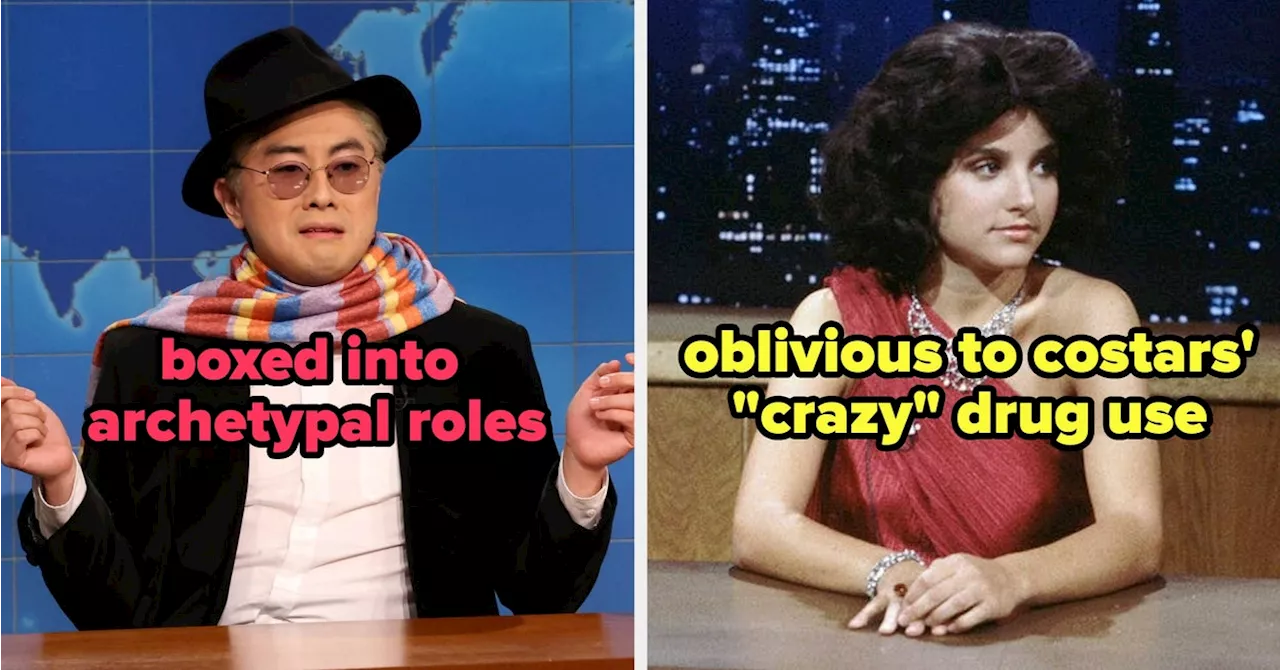
Former cast members of Saturday Night Live (SNL) have come forward to discuss their experiences of discrimination, workplace abuse, and the challenges of typecasting while working on the iconic sketch show. These revelations highlight the intense pressures faced by performers in an environment often perceived as glamorous.
In a recent interview, Jay Pharoah described feeling constrained by the limited roles available to him. He stated that he was often placed in an “impression box,” expected to mimic Black celebrities rather than showcase his full range as a performer. Pharoah expressed frustration over being pigeonholed as “the gay Asian guy” and pointed out the systemic issues around representation. He noted, “I think range is a myth — and it’s all about palatability.” His comments underscore the struggles many cast members face regarding identity and artistic expression on the show.
Another former cast member, Chris Redd, recounted his own hardships during his tenure. Redd alleged that he experienced backlash for speaking out about the lack of diversity, particularly regarding Black women in the cast. He claimed producers were ready to let him go when he voiced his concerns, saying, “The culture’s changing, and I’m not a part of it.” His reflections reveal a broader pattern of exclusion and the challenges of advocating for change in a highly competitive and traditional setting.
The emotional toll of working on SNL is evident in the experiences shared by others as well. Abby Elliott, who appeared on the show from seasons 34 to 37, described the relentless pressure to secure airtime. “Every week was a new week, and your happiness would depend on whether you got something on air or not,” she shared. This competitive atmosphere often led to anxiety among cast members, with many fearing they would be fired if they did not perform well.
The environment at SNL has been characterized by some as toxic. Cheri Oteri, known for her memorable sketches, likened her experience to hazing, stating, “It takes its toll on you.” She emphasized that while the cast was supportive, the pressures of the show could be overwhelming, contributing to mental health struggles that many faced.
The challenges extended beyond the creative aspects of the show. Bill Hader, who was part of SNL from seasons 31 to 38, spoke about the difficulties of juggling family life with the demanding schedule. “It’s really hard to do when you’re single and living alone. And then it’s pretty tough when you’re married, because you don’t see your spouse,” he explained. For Hader, the arrival of children made the already challenging experience even more taxing, leading him to consider leaving the show.
The competitive nature of SNL was also highlighted by Norm Macdonald, who faced repercussions for writing jokes deemed too controversial. He and fellow writer James Downey were reportedly let go after their material about O.J. Simpson did not align with the network’s sensibilities. Macdonald’s experience serves as a reminder of the risk associated with pushing boundaries in comedy, particularly in a live broadcast environment.
In an era where diversity and representation are increasingly scrutinized, the testimonies of these former cast members reveal a complex picture of life behind the scenes at SNL. The struggles with typecasting, workplace dynamics, and mental health challenges paint a sobering picture of what it means to be part of a show that has shaped American comedy for decades.
As more individuals share their stories, the conversation surrounding the culture at SNL continues to evolve, prompting discussions about accountability and the need for systemic change within the industry. The experiences of Pharoah, Redd, Elliott, Oteri, and Hader serve as a reminder that success in entertainment often comes with unseen challenges, and that the pursuit of creative freedom can be fraught with obstacles.