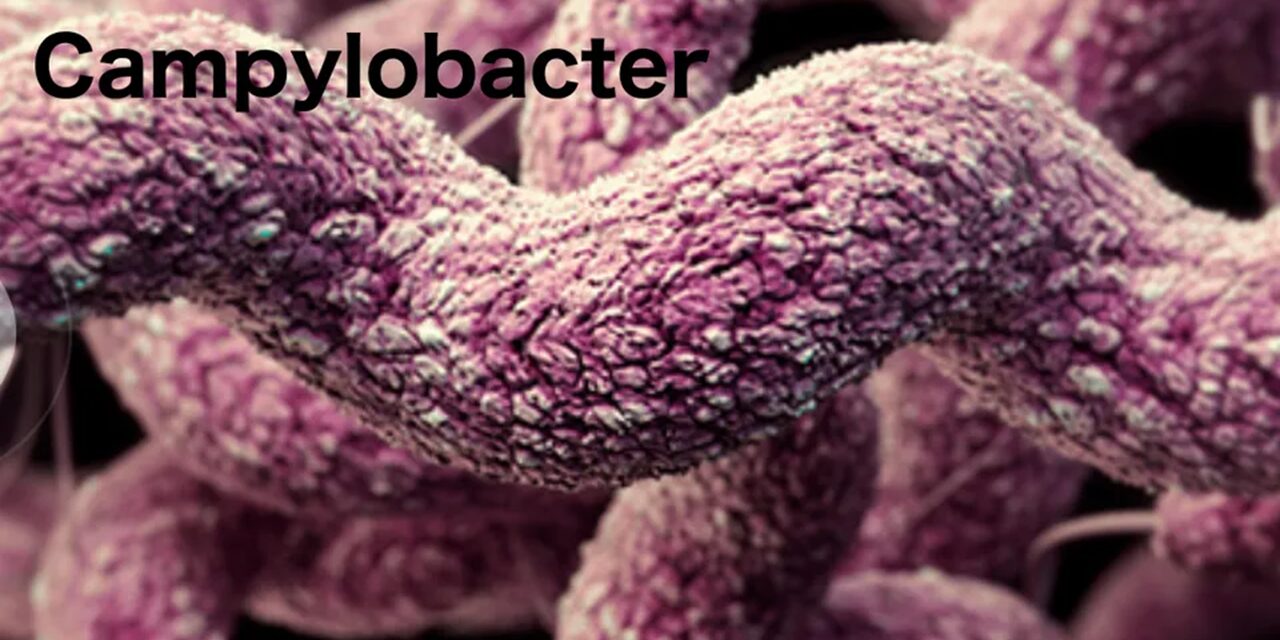
Researchers at the London School of Hygiene & Tropical Medicine (LSHTM) have been awarded a significant grant to explore the behavior of the bacterium Campylobacter. The funding, amounting to £850,000 (approximately $1.1 million), comes from the Biotechnology and Biological Sciences Research Council (BBSRC) and aims to uncover how this pathogen outcompetes other bacteria and adapts to various host environments.
This project represents a vital step towards understanding the mechanisms behind Campylobacter’s success. The research team, part of a consortium of scientists, will investigate the genetic and environmental factors that allow this bacterium to thrive in diverse conditions. Campylobacter is known to be a leading cause of foodborne illness worldwide, often linked to contaminated poultry and unpasteurized dairy products.
The consortium will use advanced techniques to analyze how Campylobacter interacts with competing bacteria within the gut and its ability to survive in different conditions. By understanding these dynamics, researchers hope to develop more effective strategies for controlling infections caused by this pathogen.
Implications for Public Health
The findings from this study could have significant implications for public health initiatives. In the UK alone, Campylobacter is responsible for an estimated 280,000 cases of food poisoning each year, according to the Food Standards Agency. By identifying the factors that contribute to its prevalence and resilience, experts aim to reduce the incidence of Campylobacter-related illnesses.
Researchers emphasize the importance of this work in the context of increasing antibiotic resistance. As bacteria evolve to survive in various environments, understanding their adaptation mechanisms becomes essential for developing new treatment approaches. The LSHTM team’s research could pave the way for innovative solutions to this pressing health issue.
Collaboration and Future Research
The collaboration between LSHTM and the BBSRC highlights the importance of interdisciplinary research in tackling complex health challenges. This grant will enable the team to conduct studies that involve not only microbiology but also genetics and environmental science.
As the project progresses, the researchers plan to share their findings with the wider scientific community. The ultimate goal is to translate these insights into practical applications that enhance food safety and public health standards globally.
Overall, this funding marks a crucial investment in understanding Campylobacter and its impact on health, contributing to the ongoing efforts to ensure safer food systems.