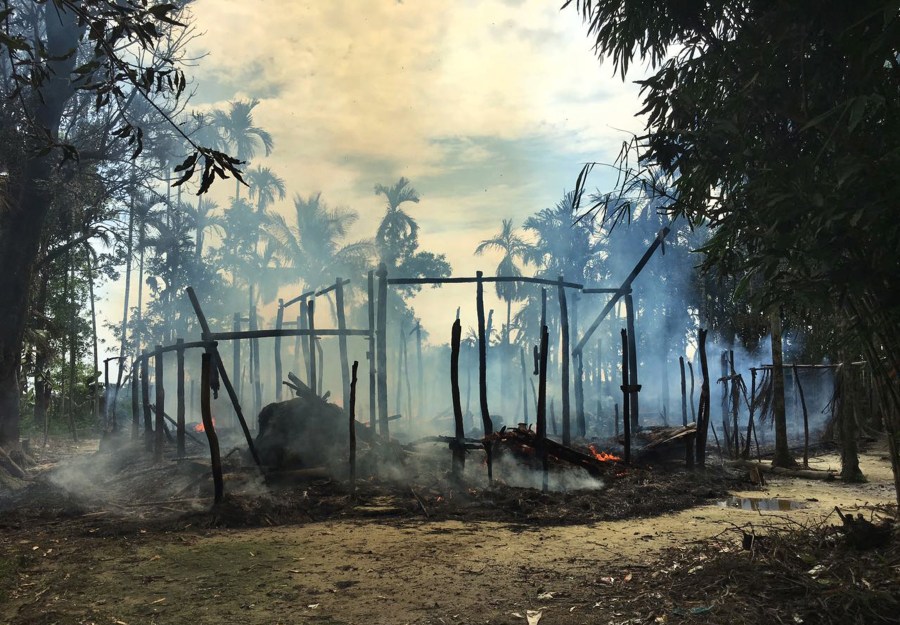
Myanmar stands accused of genocide against the Rohingya ethnic minority as hearings commence at the International Court of Justice (ICJ) in The Hague. The case, initiated by Gambia in 2019, focuses on allegations of systematic violence and rights violations against the Rohingya, a Muslim minority group that has faced severe persecution in Myanmar.
Gambia argues that the actions taken by Myanmar constitute genocide, violating the Genocide Convention, to which both nations are signatories. The hearings, which are expected to last several days, will allow both parties to present their evidence and arguments regarding the accusations. Gambia has emphasized the importance of international accountability in addressing such grave human rights violations.
The Rohingya crisis escalated dramatically in August 2017 when a military crackdown in Myanmar’s Rakhine State forced over 700,000 Rohingya to flee to neighboring Bangladesh. The United Nations has described the military’s actions as ethnic cleansing, and numerous reports have documented instances of mass killings, sexual violence, and the destruction of villages.
In 2020, the ICJ ordered Myanmar to take emergency measures to prevent further harm to the Rohingya, highlighting the gravity of the situation. The court’s decision came after Gambia submitted a request for provisional measures, arguing that the Rohingya remained at risk of further genocide. This landmark ruling marked a significant moment in international law, as it underscored the court’s authority to intervene in cases of alleged genocide.
As the hearings unfold, the global community watches closely. Human rights organizations and activists have called for justice and accountability for the Rohingya people. The proceedings at the ICJ could have far-reaching implications, not only for Myanmar but also for the enforcement of international law regarding genocide and human rights abuses.
The outcome of this case may also influence future actions by countries and international bodies regarding Myanmar. Observers note that a ruling in favor of Gambia could lead to increased diplomatic pressure and sanctions against Myanmar, further isolating the military-led government.
The hearings at the ICJ represent a critical moment for the Rohingya and those advocating for their rights. Many hope that this legal battle will bring attention to their plight and contribute to a path toward justice and reconciliation in Myanmar. As the world focuses on The Hague, the call for accountability rings louder than ever, underlining the importance of upholding human rights and preventing future atrocities.