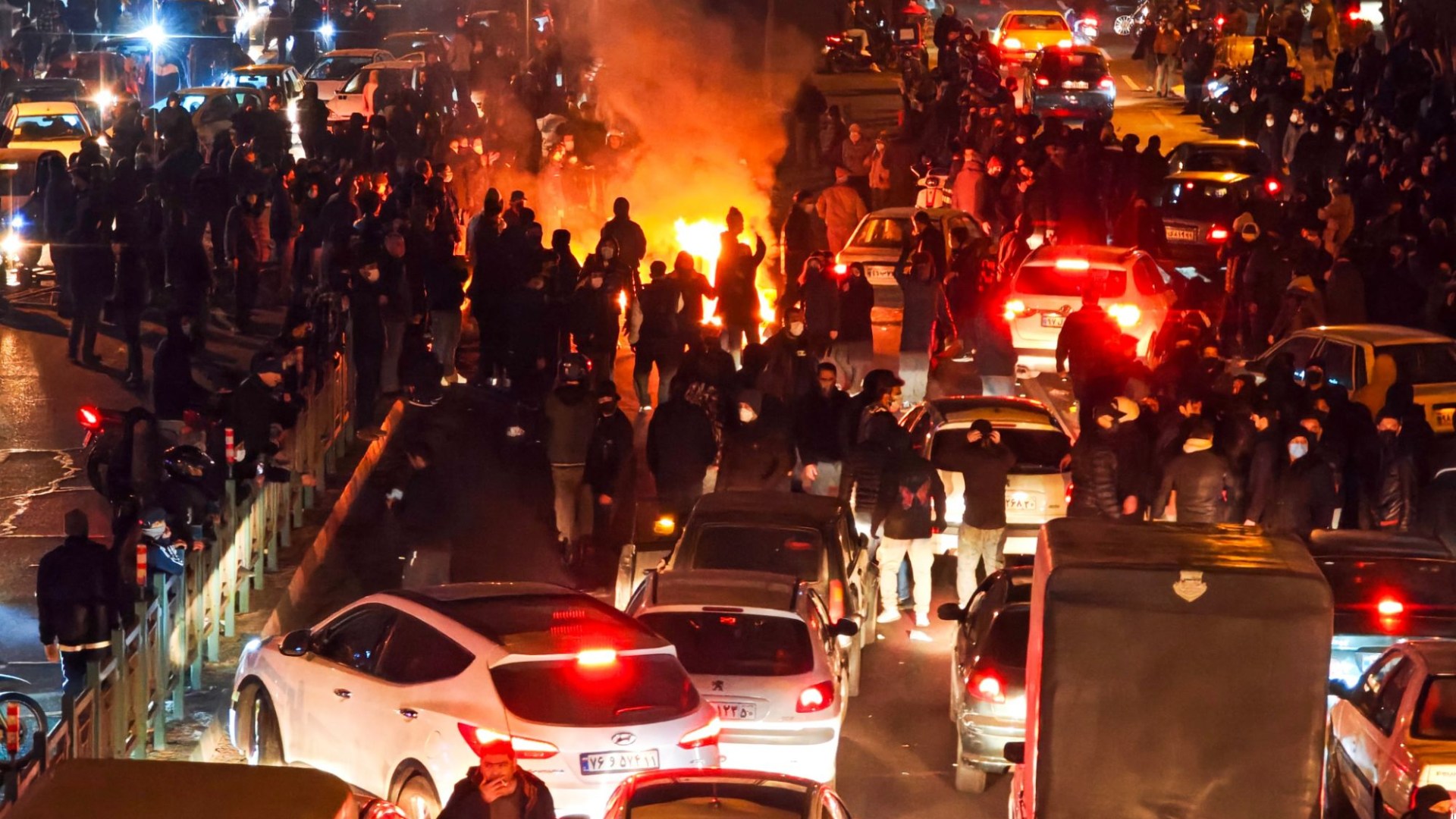
Thousands of individuals rallied in cities across the United States over the weekend in response to the shooting death of Renee Nicole Good, a 37-year-old woman, by a U.S. Immigration and Customs Enforcement (ICE) agent in Minneapolis. The incident has ignited widespread outrage, leading to protests that highlight ongoing concerns regarding immigration enforcement practices.
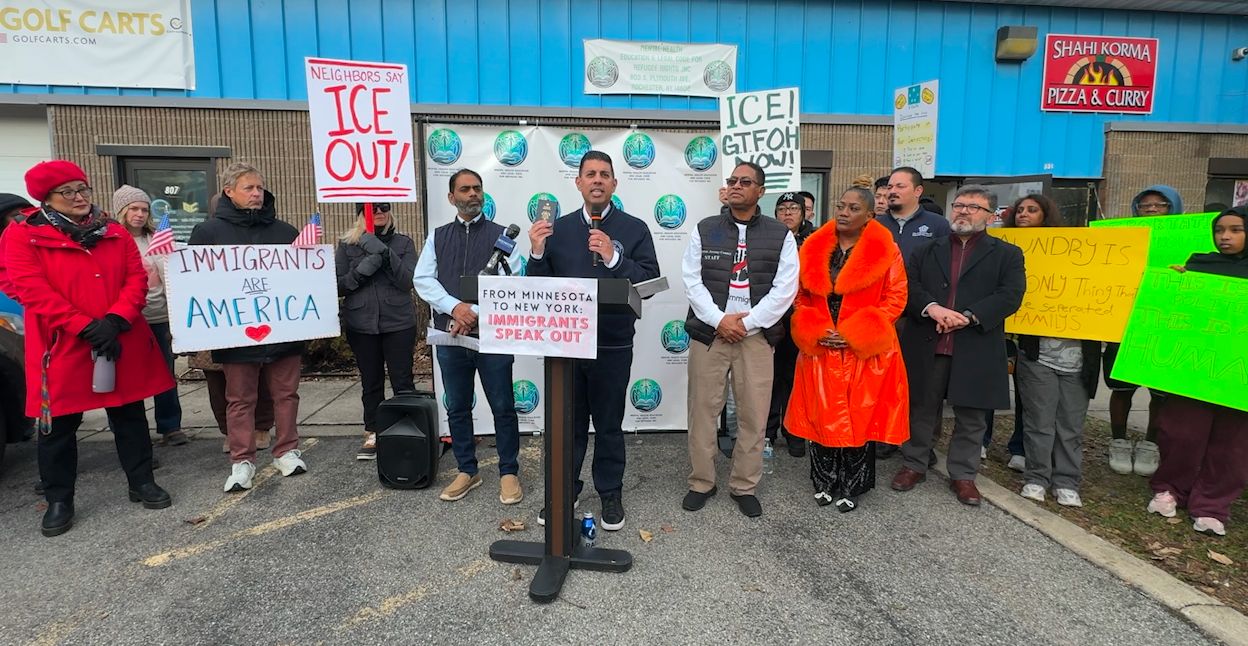
The shooting, which was captured on video by witnesses, has raised serious questions about the actions of federal immigration officials. Advocates argue that the circumstances surrounding Good’s death exemplify a troubling trend of violence associated with ICE operations. Hani Ali, founder of the Mental Health Education and Legal Code for Refugees, expressed the pain felt by many in immigrant communities, stating, “It’s really painful because I’m a mother of five and I am an immigrant.”
The incident occurred shortly after the Trump administration announced its largest immigration enforcement operation in Minneapolis. Officials claimed that the shooting was a result of self-defense, but state and local leaders have strongly contested these assertions. Cassandra Bocanegra, a member of the New York Immigration Coalition, emphasized that the shooting represents a dangerous escalation in ICE’s approach, stating, “What happened in Minneapolis is a clear escalation of the violence from ICE and other federal agents.”
Rallies took place in various cities, including Rochester, New York, where community members gathered to voice their concerns. Ali noted the diversity of Rochester, declaring, “This is a sanctuary city… and we’re going to stand up for our people, for everyone.”
The impact of the shooting extends beyond individual tragedies. Many immigrants are concerned about the safety of their communities. Haji Yuldash, an Afghan immigrant, shared his own experience, recounting how a friend was detained by ICE despite holding a work permit. “He was working. He’s now in a detention center in Batavia,” Yuldash said.
Local officials aim to address the rising tensions related to federal immigration policies. Jeremy Cooney, a senator from New York’s 56th district, highlighted the uncertainty felt by many, stating, “The reality is, no matter who you are, in this moment and in this country, we are all uncertain and afraid.”
The protests have also fostered a sense of unity among immigrant communities nationwide. Kristen Khadka, the daughter of a local immigrant, expressed solidarity, saying, “When one immigrant family is hurt, all immigrant families feel it.”
In response to the growing unrest, New York lawmakers are considering several legislative proposals to strengthen protections for immigrants. These include measures to prevent ICE agents from wearing masks during operations and the establishment of a public online dashboard to track ICE activity. Governor Kathy Hochul has expressed her support for these initiatives and plans to include them in her upcoming State of the State Agenda.
As the nation grapples with the implications of Good’s death, the outpouring of support from immigrant communities underscores the urgency of addressing issues of immigration justice. This rallying cry for change may serve as a pivotal moment in the ongoing debate surrounding immigration policy and enforcement across the United States.