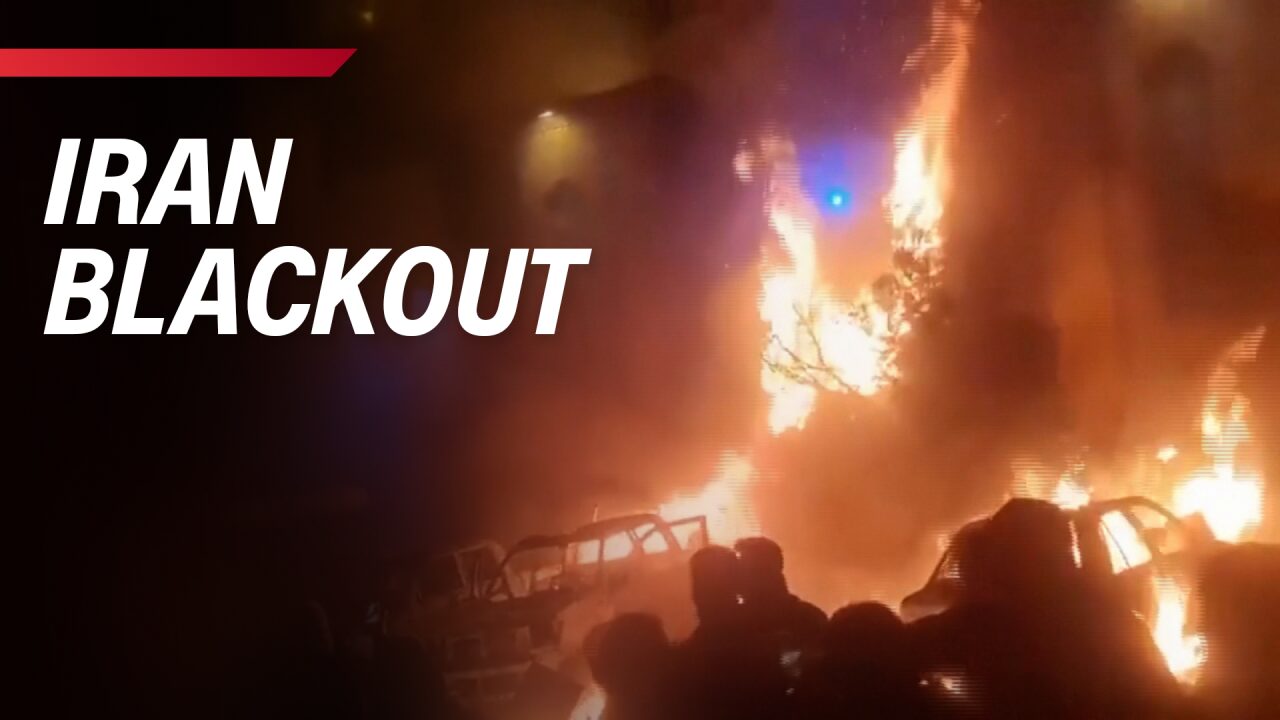
Protests in Iran have entered their second day of heightened unrest, coinciding with a government-imposed internet blackout. The situation escalated after over ten days of demonstrations against the government, spurred by rising inflation and discontent with the ruling conservative leaders.
In a significant call to action, Reza Pahlavi, the son of Iran’s last monarch, has urged a two-day nationwide strike. The exiled opposition leader made his appeal in a video posted on X, encouraging workers in critical sectors, particularly transportation, oil and gas, and energy, to join the strike starting Saturday, which marks the beginning of the working week in Iran.
Pahlavi’s message came during a time when the Iranian government restricted internet access to curb the flow of information amid ongoing protests. He emphasized the importance of reclaiming public spaces, stating, “The goal is to prepare to seize city centers and hold them,” further asserting that Friday’s protests had sent a significant message to Iran’s leaders.
While Pahlavi’s influence within Iran remains uncertain, his calls for action resonate with many who are frustrated by the economic and political conditions in the country. He was just 16 years old when his father, Shah Mohammad Reza Pahlavi, was deposed in the 1979 Islamic Revolution, ending a 40-year reign.
As the protests continue, the impact of the internet blackout is becoming increasingly evident. According to monitoring organization NetBlocks, the blackout has now extended beyond 36 hours, significantly restricting the ability of Iranians to communicate and check on the safety of friends and family.
On the morning of December 30, 2023, NetBlocks reported, “It’s now 8:00 am in Iran where the sun is rising after another night of protests met with repression; metrics show the nationwide internet blackout remains in place, severely limiting Iranians’ ability to connect.” The situation reflects the growing unrest across the nation, fueled by economic hardship and a lack of political freedoms.
With protests that began on December 28, demonstrators have expressed their anger over soaring inflation rates and the harsh measures employed by security forces to suppress dissent. The ongoing civil unrest underscores the deepening frustration within the Iranian populace, as citizens demand change and accountability from their government.
As the situation develops, the international community continues to monitor events closely, with human rights organizations calling for an end to the crackdown on peaceful protests and a restoration of internet access to allow for free communication among Iranians.