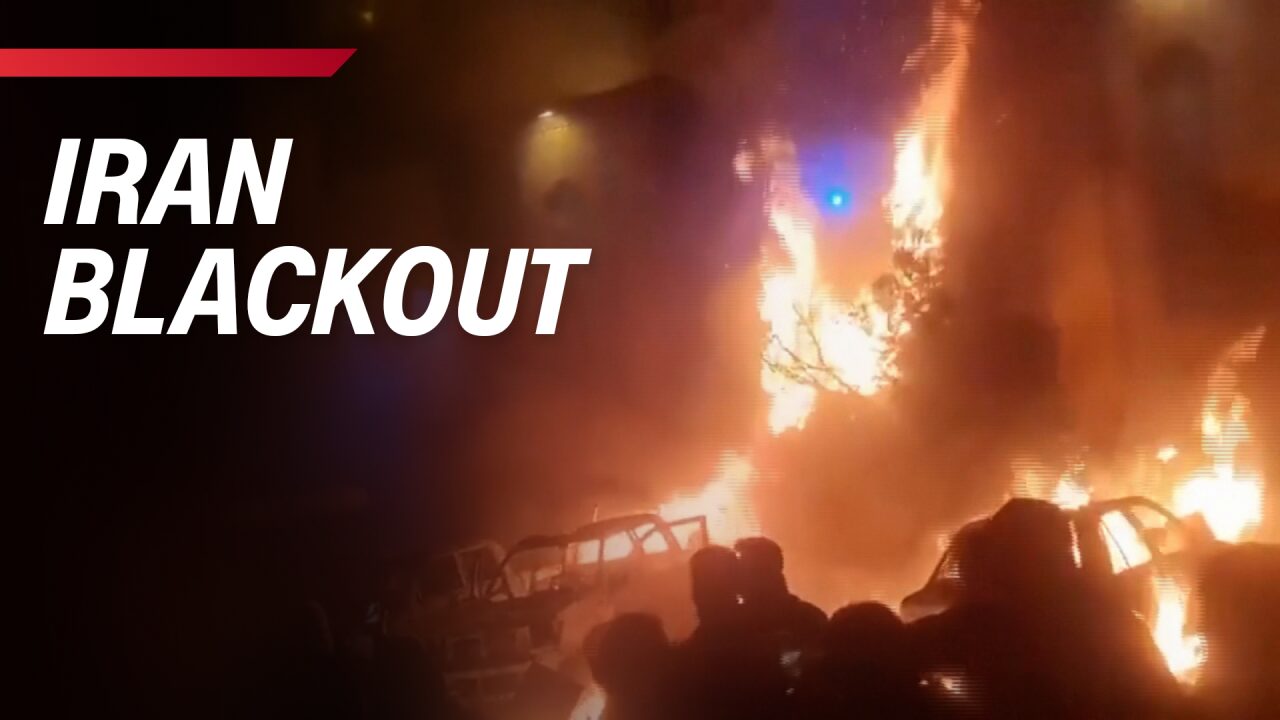
Protests in Iran have entered their second week, marked by a significant internet blackout imposed by the government. The unrest, which began on December 28, 2022, has been fueled by widespread frustration over rising inflation and discontent with the conservative leadership. In response to the ongoing demonstrations, Reza Pahlavi, the son of Iran’s last shah, has called for a two-day nationwide strike.
Pahlavi, who has been living in exile since the Islamic Revolution of 1979, made his appeal through a video posted on social media platform X. He urged “workers and employees in key sectors of the economy — especially transportation, oil and gas, and energy — to begin a nationwide strike” starting on Saturday, the first day of the working week in Iran. His call for action is aimed at consolidating the protest movement, which has seen demonstrators taking to the streets in various cities, including the capital, Tehran.
Internet Blackout Compounds Protest Challenges
The internet blackout, which has now exceeded 36 hours, significantly hampers the ability of Iranians to communicate and check on the safety of their loved ones. According to the watchdog organization NetBlocks, the blackout began on Thursday, following mass protests in Tehran. As of 11:30 PM ET on Saturday, NetBlocks reported, “metrics show the nationwide internet blackout remains in place at 36 hours, severely limiting Iranians’ ability to check on the safety of friends and loved ones.”
Pahlavi’s address during this period of restricted communication emphasizes the urgency of the protests. He encouraged demonstrators to take to the streets with national symbols, stating, “The goal is to prepare to seize city centers and hold them.” His remarks reflect a desire to galvanize public support, though it remains unclear how his popularity resonates within Iran today.
The protests, which were initially sparked by economic grievances, have grown into a broader expression of dissent against the ruling authorities. The anger directed at Iran’s conservative government has been exacerbated by the heavy-handed response from security forces, which has included violent crackdowns on demonstrators.
While Pahlavi’s lineage gives him a notable historical significance, it is uncertain how much influence he commands among the current generation of Iranians. His father, Shah Mohammad Reza Pahlavi, ruled Iran for 40 years before being overthrown in the revolution. The younger Pahlavi was only 16 at that time, and his calls for action now seek to resonate with a populace that has experienced decades of political upheaval.
The situation continues to evolve as protests persist and the government maintains its internet restrictions. Activists and human rights organizations are closely monitoring the developments, raising concerns over the safety of protesters and the implications of the government’s response to public dissent.
As tensions mount, the international community watches closely, with many advocating for the rights of Iranians to express their grievances freely. The call for a strike by Reza Pahlavi could prove to be a pivotal moment in this ongoing struggle for change in Iran.