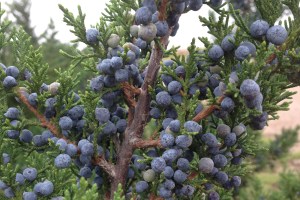
UPDATE: Cedar fever season is in full swing in Tarrant County, prompting urgent health warnings as allergy symptoms surge. Residents are reporting increased cases of itchy eyes, scratchy throats, and runny noses, symptoms caused by pollen from Ashe juniper trees. This native Texas tree’s pollen is especially prevalent from December to February, affecting nearly 1 in 5 Texans, according to Baylor Scott & White.
Symptoms are escalating across North Texas, leading to confusion among those who may mistake cedar fever for COVID-19 or seasonal flu. Dr. David Winter, a physician with Baylor Scott & White Health, confirmed, “A lot of things can mimic this. At this time of year, it’s kind of confusing.”
As pollen levels remain high, health experts emphasize the importance of COVID-19 and flu testing for anyone exhibiting symptoms. While juniper pollen is not contagious, the sheer volume released during this season can trigger responses even in non-allergy sufferers. The American Sinus Institute notes that winter is particularly challenging for those exposed to this allergen.
Pollen counts in Fort Worth have been elevated since mid-December, with reports from Pollen.com indicating that the recent combination of cold fronts and warmer days is exacerbating the situation. “A lot of times, what triggers heavy release of pollen in these trees is the passage of major cold fronts,” explained Jonathan Motsinger of the Texas A&M Forest Service.
For those struggling with cedar fever, treatments mirror other allergy remedies. Dr. Winter recommends over-the-counter options like nasal sprays, eye drops, and antihistamines. Popular medications such as Zyrtec and Claritin are known to provide relief, but he advises that if one treatment fails, another may be more effective.
Health authorities stress that individuals should seek medical advice to confirm their diagnosis before self-treating. “All those things you can get without going to a doctor over the counter. You just want to make sure that that’s what your diagnosis is,” Dr. Winter said.
As cedar fever continues to impact many, residents are encouraged to monitor local pollen forecasts and take proactive measures to alleviate their symptoms.
Stay informed as this health situation develops in Tarrant County. For more updates on cedar fever and allergy treatments, follow local health news closely.