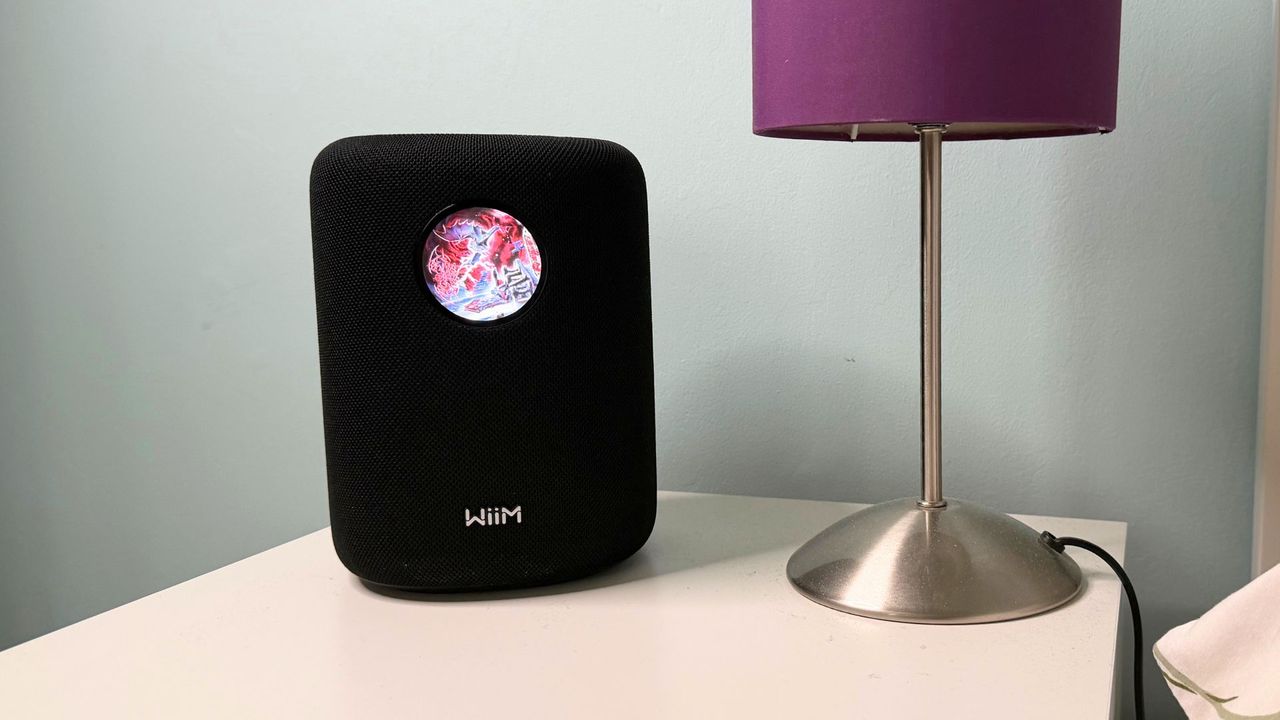
The Wiim Sound speaker has recently replaced the Sonos Move 2 as the preferred choice for bedside audio. This shift highlights the competitive landscape of smart speakers, with the Wiim model offering features that appeal to users looking for enhanced functionality.
Why the Change?
Initially, the Sonos Move 2 was a staple on my nightstand, praised for its portability and impressive sound quality. The speaker’s performance was commendable, and the integration with the Sonos app significantly improved over time. However, issues began to arise that affected its usability, particularly in connection with my preferred music streaming service, Roon. Once compatible, the Move 2 now struggles to maintain a consistent connection, which has been a considerable drawback.
The charging dock, designed for convenience, also presented problems. Accumulated dust on the contact points occasionally disrupts charging, leaving the speaker powerless when I need it most. Despite being a top-tier Bluetooth option, these challenges prompted me to seek alternatives.
Introducing the Wiim Sound
The Wiim Sound entered the scene with a versatile design and an appealing screen that enhances user interaction. This speaker marks Wiim’s first venture into powered audio systems, positioning it directly against established brands like Sonos and Apple. The sleek display not only shows the time but can also showcase album art, adding a visual element to the listening experience.
One significant advantage of the Wiim Sound is its constant connectivity; it plugs directly into the wall, eliminating concerns about battery life and charging issues. The sound quality stands out as well, offering a refined listening experience that surpasses that of the Move 2. With enhanced high-end clarity and solid bass, it has become a favorite for discerning listeners.
The Wiim Sound also integrates seamlessly with Roon, eliminating the need to switch between apps for music playback. Additionally, it features a convenient auxiliary port, allowing users to connect other devices and even set up stereo sound for a richer audio experience.
While the Wiim Sound has many strengths, it is not without its quirks. The screen tends to turn off and on unexpectedly, which may require a future software update. Furthermore, the lack of built-in microphones means that voice control is limited to the remote, a departure from the hands-free capabilities of the Sonos Move 2.
Despite these minor inconveniences, the Wiim Sound has proven to be an excellent addition to my audio lineup. With its compelling features and superior sound, it is clear why it has earned its place on my nightstand.
As the smart speaker market continues to evolve, options like the Wiim Sound provide consumers with innovative alternatives to traditional favorites. The potential for future developments ensures that this space will remain dynamic and competitive.