The Russian government has adopted a muted response following the arrest of its ally, Venezuelan leader Nicolás Maduro. As of March 15, 2024, Moscow has not taken any decisive actions to protect Maduro, who has been described as a “narco-terrorist kingpin.” The Russian Foreign Ministry did advise its citizens against travel to Venezuela, citing safety concerns related to “armed aggression by the United States.”
In a statement, the ministry highlighted the potential risks for Russian travelers, including threats of renewed attacks. Tourists who had already planned trips to Venezuela were offered full refunds on their tour packages, while those currently in the country were urged to exercise caution and follow directions from local officials and Russian diplomatic staff. The Russian embassy in Caracas confirmed that it remains operational and reported no incidents affecting its citizens at this time.
Despite the situation, Russia’s Foreign Ministry did not directly criticize the United States or mention President Donald Trump by name. Instead, it issued a statement reaffirming Venezuela’s right to self-determination, emphasizing solidarity with the Venezuelan government and its efforts to maintain sovereignty and national interests.
Concerns Over Security and Regional Influence
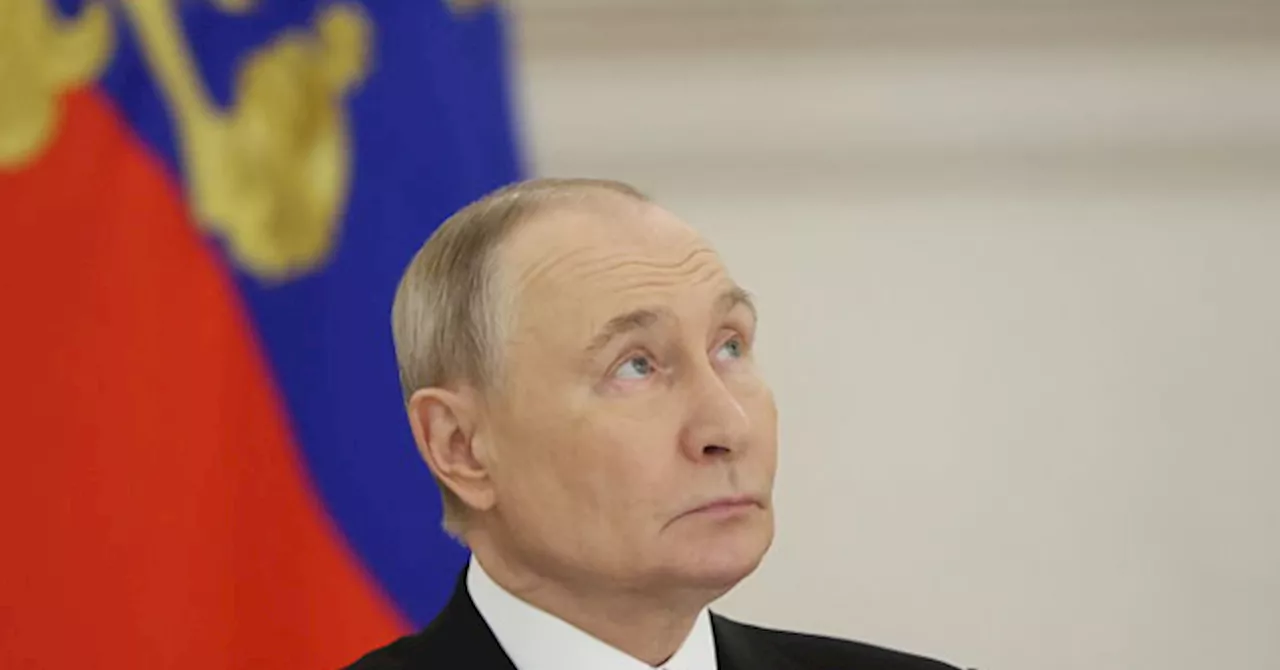
The lack of a robust response from Moscow has prompted speculation among analysts about the implications for Russia’s influence in the region. Some experts suggest that Vladimir Putin may be cautious about antagonizing the United States, especially in light of past experiences where Russian allies have faced similar fates. Galiya Ibragimova, an analyst at the Carnegie Endowment for International Peace, noted that Putin’s apparent hesitance may stem from fears that the U.S. could take similar actions against him.
Russian military bloggers have expressed frustration, pointing to the ease with which American forces bypassed Russian air defenses to apprehend Maduro. This incident has further damaged the already tarnished reputation of Russian military capabilities, particularly as the conflict in Ukraine continues to weigh heavily on Moscow’s standing.
Analysts have observed a sense of disillusionment settling over Russian officials as allies, including Armenia and Azerbaijan, shift their focus towards the West. The United States has reasserted its influence in the region, reintroducing the Monroe Doctrine, which underscores its commitment to prevent foreign interference in the Americas.
Reactions from Russian Nationalists and Observers
The muted response from the Kremlin has led to a wave of criticism from nationalist elements within Russia. Igor Girkin, a prominent nationalist figure, lamented the lack of support for Maduro, stating, “All of Russia is asking itself why we don’t deal with our enemies in a similar way.” This sentiment was echoed by other bloggers, including Aleksandr Dugin, who urged for a more aggressive stance against perceived threats.
As the situation unfolds, the implications for Russia’s foreign policy are significant. The failure to adequately support Maduro may further isolate Moscow on the international stage. Observers note that Putin’s current focus on Ukraine may hinder his ability to project power elsewhere, leading to a perception of weakness that could embolden adversaries.
Putin’s initial silence regarding Maduro’s arrest has not gone unnoticed. The Russian leader’s historical support for authoritarian regimes has led to questions about how much influence he truly wields in international affairs. As Russia grapples with its diminishing role in global geopolitics, the fate of Maduro may serve as a barometer for the Kremlin’s declining clout.
In summary, Russia’s passive stance on the arrest of Nicolás Maduro reflects broader challenges facing Moscow in maintaining its influence in Latin America. As regional dynamics evolve and alliances shift, the implications for Russia’s foreign policy remain profound.