The capture of Venezuelan President Nicolás Maduro has triggered a significant response from major oil companies, with stock prices reflecting optimism about potential opportunities in the country’s oil industry. Investors reacted positively on March 4, 2024, with prominent firms such as Chemron experiencing a stock price increase of more than 5%, equating to around $15 billion in market capitalization. This event raises questions about the future of U.S. oil operations in Venezuela, a nation rich in oil reserves.
While the weekend operation is being hailed as a chance to rejuvenate Venezuela’s oil sector, analysts express caution. Industry insiders suggest that the prospect of revitalizing operations will demand massive investment, potentially costing tens of billions of dollars and requiring years to establish new infrastructure. The uncertainty surrounding the political landscape remains a significant concern.
Currently, Chevron is the only U.S. oil company permitted to export oil from Venezuela due to existing sanctions. The company reportedly produces approximately 200,000 barrels per day, which accounts for about 20% of Venezuela’s total oil production. In light of the regime change, Chevron has stated, “Chevron remains focused on the safety and wellbeing of our employees, as well as the integrity of our assets.”
Other oil companies, including ConocoPhillips, also saw gains in their stock prices on Monday, but they remain cautious about re-entering the Venezuelan market. The company indicated that it is “monitoring developments in Venezuela and their potential implications for global energy supply and stability,” but refrained from committing to future operations.
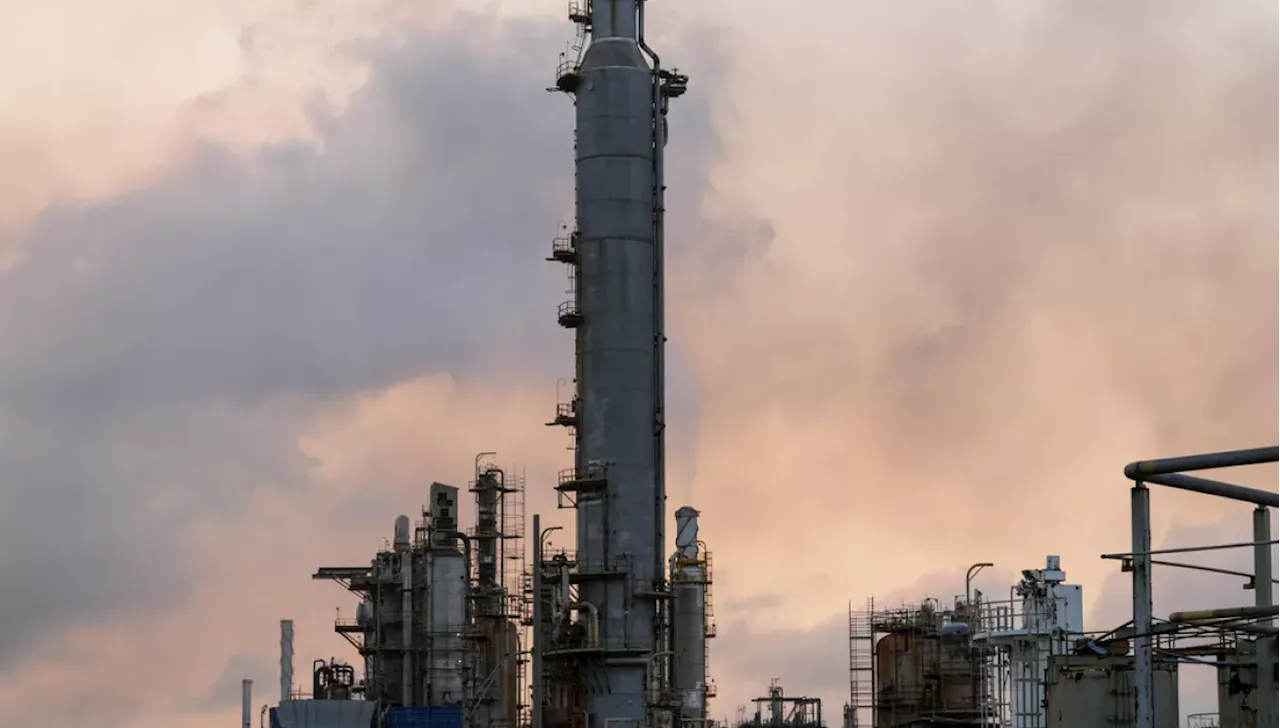
Refiners, who would play a key role in processing any Venezuelan crude oil shipped to the U.S., also experienced a boost. Valero, which handled about 1.6 million barrels of Venezuelan crude last October, benefited from the rising stock prices alongside oilfield service companies that could assist in ramping up production.
Despite the market reactions, industry experts are wary of prematurely declaring any clear winners. One source remarked, “I think that it’s completely unclear and unknown if there will be any winners when it comes to energy or the oil and gas industry, let alone who might benefit more rather than less.” Concerns about contract sanctity, reliable partners, and a strong rule of law loom large over any potential investments.
As of now, no immediate changes to oil operations in Venezuela have been reported since Maduro’s capture. The path forward for U.S. oil companies will depend heavily on the evolving political and operational environment. “Until there’s further clarity on the political and operating environment on the ground, companies are going to continue to be hesitant about going full bore back into Venezuela,” the source added.
The future of the Venezuelan oil industry remains uncertain as political developments continue to unfold, with many stakeholders keenly observing how the situation will impact both local and global energy markets.