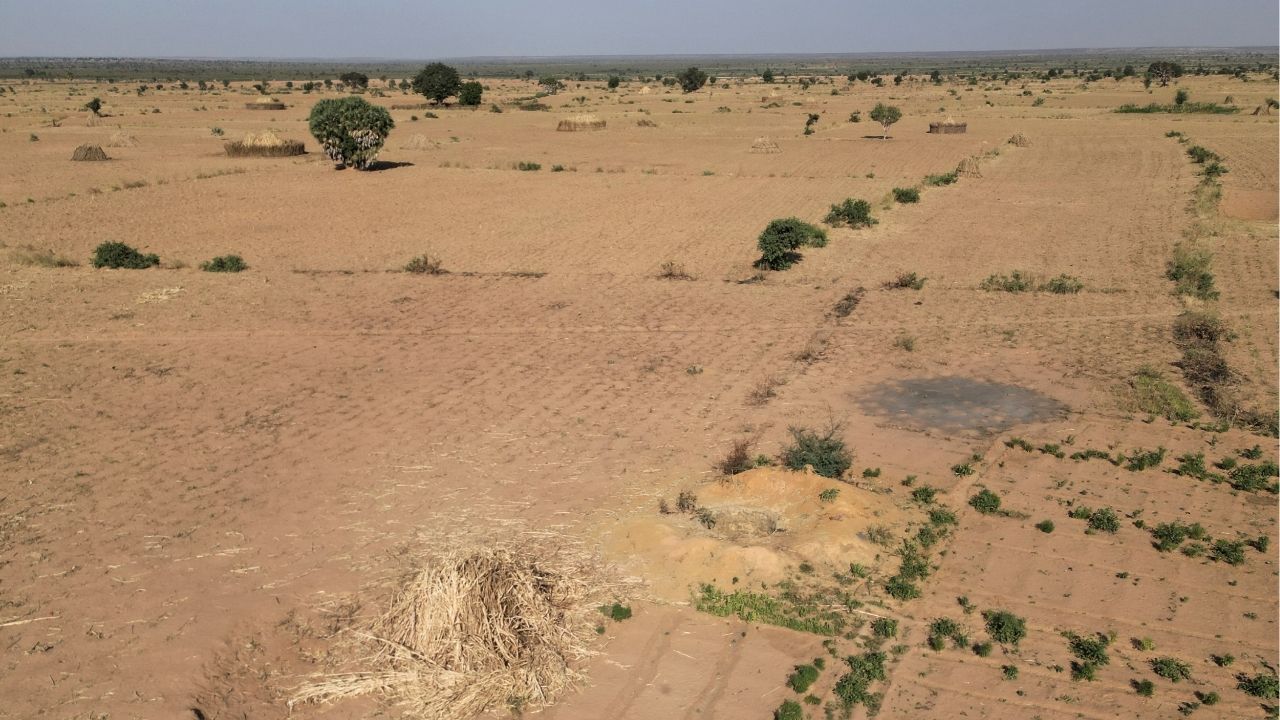
On Christmas night, U.S. missile strikes targeted locations in Nigeria, igniting fear among Muslim communities in rural areas, particularly in Jabo, Sokoto State. The strikes, ordered by former President Donald Trump, were part of a campaign against what he termed a “Christian genocide” conducted by Islamist terrorists. In Jabo, three herders traveled over 160 miles to observe the aftermath of the attack, which left a visible crater in a cornfield.
According to local reports, the missile, identified as a Tomahawk, struck the area, causing debris to scatter over farmland. Residents described seeing fireballs in the sky and expressed concern over the implications of the U.S. military’s actions. The Nigerian government stated that the missile debris fell accidentally, but many in Jabo remain skeptical; the community had previously been a refuge for those fleeing violence from other regions.
Community Reactions to the Strikes
The aftermath of the strikes has left families in Jabo searching for answers. Local herder Mohammed Abubakar expressed hope that such an event would not be repeated, emphasizing that he had not seen any evidence of terrorist presence in the area. Residents are grappling with conflicting narratives, as Nigerian Information Minister Mohammed Idris claimed that the strikes targeted two significant enclaves of the Islamic State.
Despite the government’s assurances, residents reported damage limited to unoccupied structures, with some missiles landing in abandoned encampments recently vacated by members of the Lakurawa, a group believed to have ties to the Islamic State. This has fueled fears that all Muslims in Nigeria are being unfairly targeted as a result of these military actions. The community perceives a troubling pattern—one that suggests broader implications for Muslims living in the area.
“Some of us think this is part of his agenda to protect Christians,” said Abubakar Mohammed Jabo, a local whose home is near the strike site. The narrative surrounding the strikes raises concerns about the potential for increased violence against Muslims in the region.
Impact on Local Communities
The strike’s timing and location have led to questions about U.S. military strategy in Nigeria. Two U.S. officials confirmed that the strikes were a one-time event, suggesting that they provided Trump with a means to address concerns over Christian casualties. Both U.S. and Nigerian authorities indicated that intelligence-sharing would continue, potentially leading to future military actions against terrorist activities.
In Sokoto, violence affects both Christians and Muslims alike. Local farmer Abdullahi Bako shared that the Lakurawa initially took measures to curb local thuggery, imposing strict social norms. However, they also exploited the community by demanding financial compensation from farmers without returning funds to the intended recipients.
Bako, who paid 3 million naira (approximately $2,000) for damages caused by his livestock, expressed fears about the return of the Lakurawa, emphasizing the need for security in his community. “If they come back,” he warned, “they’re going to be deadlier.”
The situation in Jabo exemplifies the broader challenges faced by rural communities in Nigeria, where violence disrupts lives and heightens tensions among different religious groups. As families navigate the aftermath of this military intervention, the risks associated with terrorism and retaliatory violence remain palpable.
With the air of uncertainty lingering, residents continue to hope for peace and security in their region. The legacy of the U.S. strikes may ultimately reshape the dynamics of faith and fear in Nigeria, leaving communities to deal with the fallout for years to come.