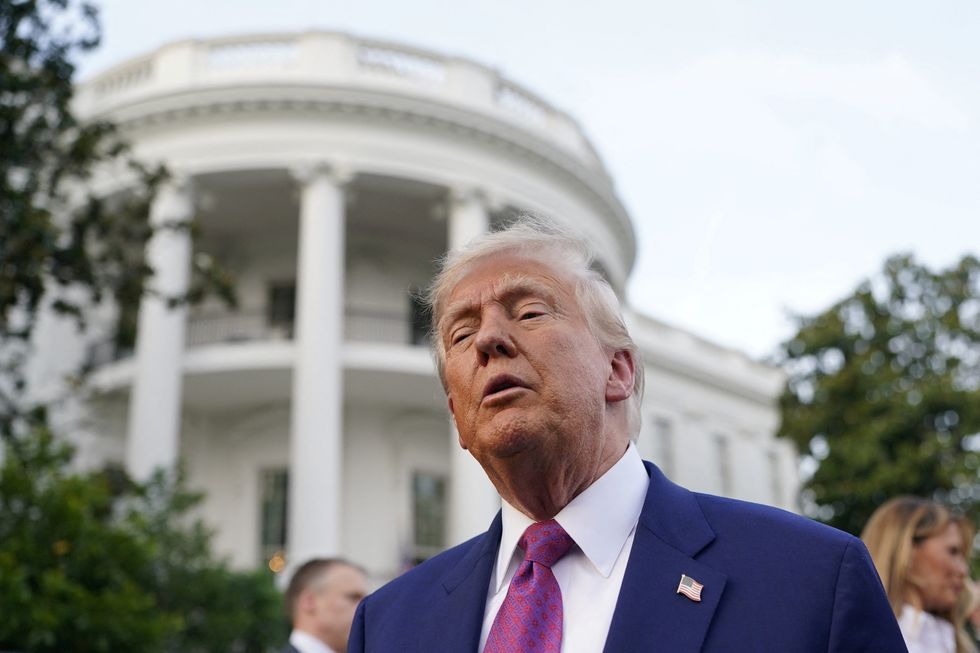
UPDATE: Legal experts are raising alarms that President Donald Trump’s renovation of the White House ballroom could signify a troubling quid pro quo with oil companies, potentially impacting U.S. foreign policy towards Venezuela. Attorney Norm Eisen, who played a critical role in Trump’s first impeachment trial, has described the ballroom project as a “corruption tumor on the White House grounds,” highlighting the urgent implications of financial influences on government actions.
Eisen’s comments, made during a recent podcast interview, suggest that Trump’s relationship with oil benefactors is not merely transactional but could also be shaping U.S. foreign policy. “We should not be invading foreign countries to seize their oil,” Eisen asserted, emphasizing the dangers of such motivations. He pointed out that the ballroom’s funding, reportedly sourced from private donations, including those from oil companies, raises ethical questions about Trump’s presidential priorities.
The renovations are not just cosmetic; they symbolize a deeper issue of corruption, according to Eisen. “Donald Trump said he would fight the corruption of the swamp. Instead, he’s just deepening the swamp,” he noted, underscoring how Trump’s actions contradict his 2016 campaign promises.
The ballroom, which is set to replace the destroyed East Wing, has become a focal point for Eisen’s critique of Trump’s administration. He likened the project to a cartoon character’s exaggerated features, stating, “That ballroom is like—remember how in the Popeye cartoon, Popeye would have one giant arm, the rest of him scrawny? That ballroom is symbolic; it’s like a corruption tumor on the White House grounds.”
Eisen also pointed out the potential for a vicious cycle where oil companies could gain increasing power through contributions to Trump’s campaign ventures. The implications of this could extend beyond the ballroom, affecting broader government projects and policy decisions.
In a related note, Eisen highlighted a statement from Marjorie Taylor Greene, a former Trump supporter, expressing concern over the president’s declining popularity. “Healthcare premiums are skyrocketing all over the country because of Donald Trump’s policy failures,” Eisen said, framing the ballroom project as a distraction from pressing national issues.
As of now, Trump’s approval ratings remain at an all-time low, making him one of the most unpopular presidents at this point in their tenure, trailing behind only his previous term. The urgency of these developments cannot be overstated: as the administration grapples with allegations of corruption, the implications for policy, governance, and public trust in the presidency are profound.
What’s Next: Watch for potential responses from the Trump administration regarding these allegations, as well as the impact on his upcoming campaign strategies. The public and political scrutiny surrounding the ballroom project is likely to intensify, with calls for accountability growing louder.
This developing story is a crucial reminder of the intersection between politics, money, and power—issues that resonate deeply with voters as they evaluate the current administration. Stay tuned for updates as this situation unfolds.