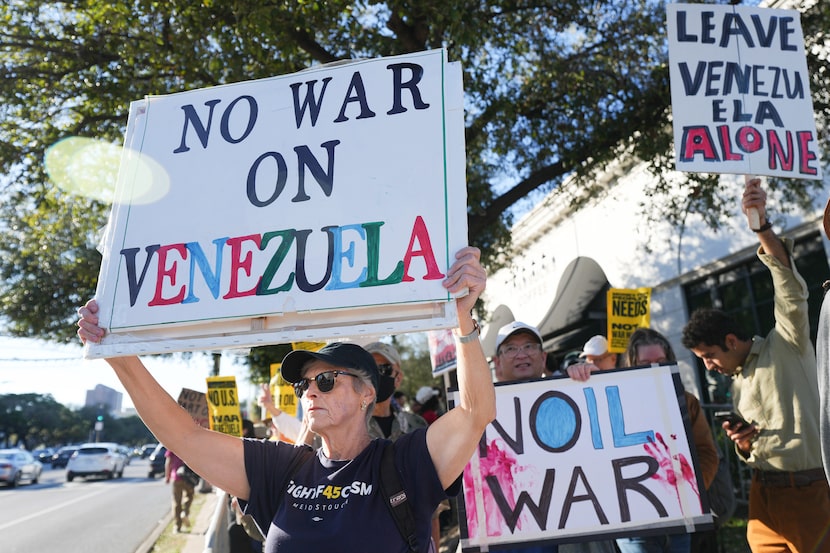
UPDATE: A growing chorus of critics is demanding the removal of key U.S. officials, including President Donald Trump and Secretary of Transportation Pete Hegseth, in light of accusations surrounding the alleged kidnapping of Venezuelan President Nicolás Maduro and his wife. This urgent call for accountability comes just days before a crucial congressional vote that could reshape U.S. foreign policy in Venezuela.
In a series of letters published today, constituents from across the U.S. express outrage over what they describe as violations of the War Powers Act and a dangerous precedent for unilateral military action. Critics argue that such actions, reminiscent of historical missteps like the Bay of Pigs invasion, risk unnecessary American lives and undermine democratic principles.
One letter from Finnegan Motz of Dallas suggests that Trump’s approach to Venezuela is an alarming overreach, stating, “Having respect for the rule of law is the only thing that separates nations from despotic rogue states.” These sentiments echo a broader concern about the erosion of democratic norms within U.S. governance.
Adding to the urgency, the Biden administration has come under fire for previously offering $25 million for information leading to Maduro’s arrest, raising questions about the current administration’s stance. Dennis Roberson from Fort Worth highlighted this hypocrisy, stating, “Kamala Harris and the Democrats give fake outrage since Maduro was arrested.”
Recent reports indicate that the U.S. has escalated its military posture in the region, with critics claiming this blindsided Congress. Kenneth K. Ebmeier from Round Rock criticized the media for suggesting Congress was unaware of the Justice Department’s bounty on Maduro. “This has been a known fact for years, and it’s time Congress takes control,” he wrote.
As the January 6, 2021 anniversary approaches, many are reflecting on the implications of unchecked power. Richard Street from Carrollton urged citizens to remember that day, emphasizing the importance of vigilance against tyranny and the need for accountability in leadership.
In response to these developments, Congress faces mounting pressure to act decisively. The upcoming vote will not only address U.S. involvement in Venezuela but also set a precedent for future foreign policy actions. Observers are watching closely as tensions rise and the implications of these decisions become clearer.
The situation remains fluid as both domestic and international reactions unfold. With public sentiment shifting rapidly, the next few days could prove pivotal in determining the future of U.S.-Venezuela relations and the broader implications for global governance standards.
As more updates emerge, it is clear that the stakes are high, and the need for transparency and accountability has never been more urgent.