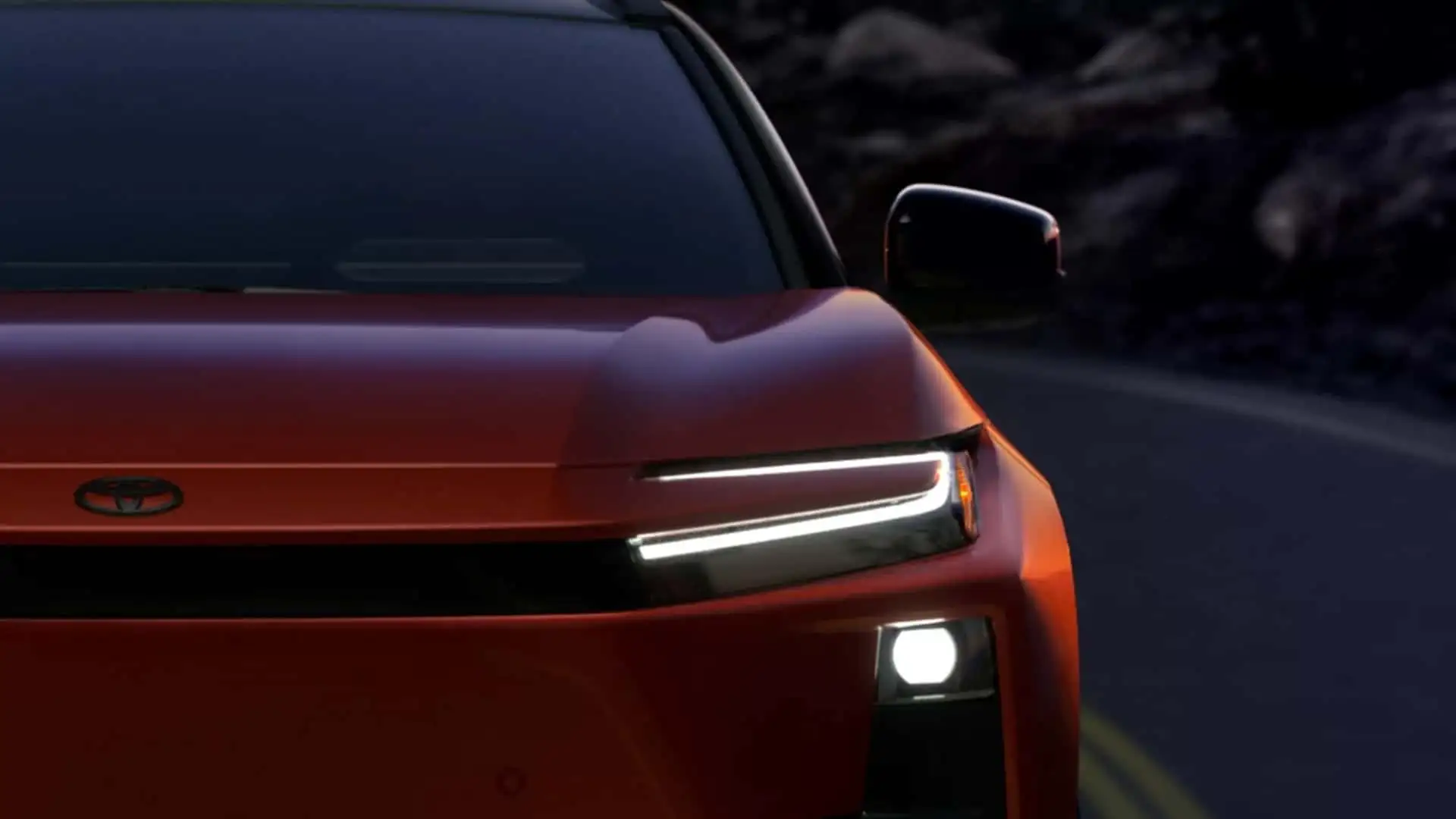
Toyota has announced the launch of its new electric vehicle (EV), the **2026 Toyota C-HR**, set to debut later this year. Positioned as a more affordable option in the EV market, the C-HR represents a strategic move for Toyota as it aims to enhance its presence in a space increasingly focused on budget-friendly electric options.
The **C-HR**, which is also referred to as the **C-HR+** in some markets, is built on the same **e-TNGA** platform as the larger **bZ4X**. It features a smaller price point, making it accessible to a broader range of consumers. Anticipated pricing for the C-HR is expected to start below **$40,000**, with possibilities of even lower figures, potentially reaching as low as **$35,000**.
Specifications and Features
The new C-HR is equipped with a **74.7-kilowatt-hour** battery pack in a compact design, measuring four inches shorter in wheelbase and six inches shorter in overall length compared to its larger counterpart. This smaller size contributes to an estimated range of **290 miles**, which is competitive with the current standard of **300 miles** for modern EVs. Toyota has yet to release official EPA-rated estimates, but under optimal conditions, the vehicle may exceed this range.
Performance-wise, the C-HR boasts **338 horsepower**, allowing it to accelerate from **0 to 60 mph** in around five seconds. This performance, combined with its dual-motor all-wheel-drive system, distinguishes it from the bZ4X, which offers a front-wheel-drive variant.
In addition, the C-HR will adopt the **North American Charging Standard (NACS)** port, facilitating easier access to charging infrastructure. While Toyota’s existing EVs can utilize over **20,000 Tesla Superchargers** with an adapter, the NACS implementation is expected to streamline the charging process significantly.
Market Positioning and Future Plans
As the electric vehicle market in the United States braces for what is anticipated to be a slower year, the introduction of the C-HR could provide a much-needed boost. Factors such as the expiration of electric vehicle tax credits and relaxed fuel economy regulations have contributed to a challenging landscape for EV adoption in **2026**. Nevertheless, the C-HR is viewed as a promising entry point for consumers seeking affordable electric transportation.
Further enhancing its market competitiveness, the European version of the C-HR+ may offer **lithium-iron-phosphate (LFP)** batteries, including options for **57.7-kWh** and **77.0-kWh** configurations. Toyota is actively developing longer-range LFP batteries for future models, indicating a commitment to advancing its EV technology.
Toyota’s efforts in the EV sector are notable, considering the company’s historically cautious approach to electric vehicles. The C-HR aims to appeal to buyers who have been eager for the automaker to take a more proactive stance in the EV market.
As the release date approaches, automotive enthusiasts and potential buyers alike are looking forward to firsthand experiences of the **2026 Toyota C-HR**. Industry insiders from **InsideEVs** anticipate driving the vehicle soon, which could provide further insights into its capabilities and consumer appeal.
In conclusion, the **2026 Toyota C-HR** marks a significant step for Toyota as it seeks to redefine its role in the evolving electric vehicle landscape, aligning with the growing demand for more affordable and efficient EV options.