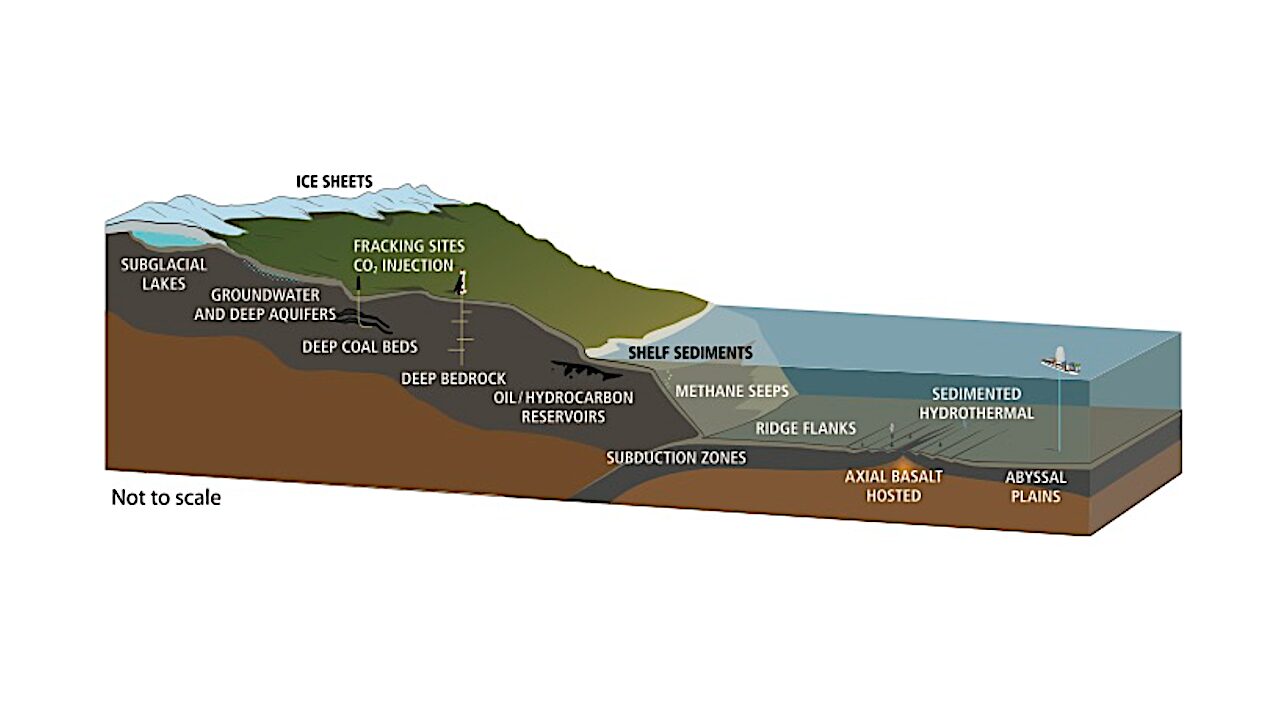
Subsurface microbiology is undergoing a significant transformation, shifting focus from merely identifying microbial communities to understanding their functionality and the essential processes that govern subsurface life. This research is increasingly vital as it plays a crucial role in addressing societal challenges such as climate change and waste management, both of which heavily rely on subsurface ecosystems. Despite the importance of this field, opportunities for subsurface sampling and funding have become increasingly limited.
The historical context of subsurface microbiology highlights its evolution over the years, with initial inquiries centered on the existence of microbial life beneath the Earth’s surface. Recent advancements, however, have revealed that these microorganisms are not just present; they actively mediate processes that can mitigate environmental issues. According to experts, the microbial communities in subsurface habitats are critical for the development of innovative solutions related to climate change and the safe storage of waste.
Engaging with early-career microbiologists is essential for the progress of subsurface research. Their involvement in drilling projects can lead to fresh perspectives and innovative methodologies that enhance our understanding of microbial functions. To facilitate this, it is important to establish partnerships between academia and industry, allowing for increased access to subsurface environments. Collaborative efforts can pave the way for microbiology-led drilling initiatives, ensuring that the expertise of microbiologists is integrated into the planning and execution phases of drilling projects.
Moving Forward with Subsurface Research
A comprehensive review of the current state of subsurface microbiology indicates a pressing need for strategic actions to advance the field. Funding agencies worldwide are encouraged to allocate resources specifically for subsurface microbiology projects that address both scientific inquiry and practical applications. This investment is not only beneficial for scientific progress but is also aligned with global efforts to combat climate change and improve waste management strategies.
Interdisciplinary collaboration is vital. Including microbiologists in the planning stages of drilling projects can enhance the research outcomes significantly. By fostering a collaborative environment, researchers can ensure that various scientific perspectives are represented, leading to more robust findings and applications. Additionally, interdisciplinary drilling projects can create opportunities for sharing knowledge and methodologies across different scientific domains, further enriching subsurface microbiology.
The current climate crisis and the challenges of effective waste storage underscore the urgency of this research. As society seeks sustainable solutions to pressing environmental issues, subsurface microbiology stands at the forefront, ready to offer insights that could lead to significant advancements.
In conclusion, the field of subsurface microbiology requires urgent attention and support from the scientific community, funding agencies, and industry stakeholders. By engaging young microbiologists, fostering interdisciplinary partnerships, and committing to targeted funding, the potential of this field can be fully realized. The future of subsurface microbiology holds promise not only for scientific understanding but also for practical applications that can contribute to a more sustainable world.