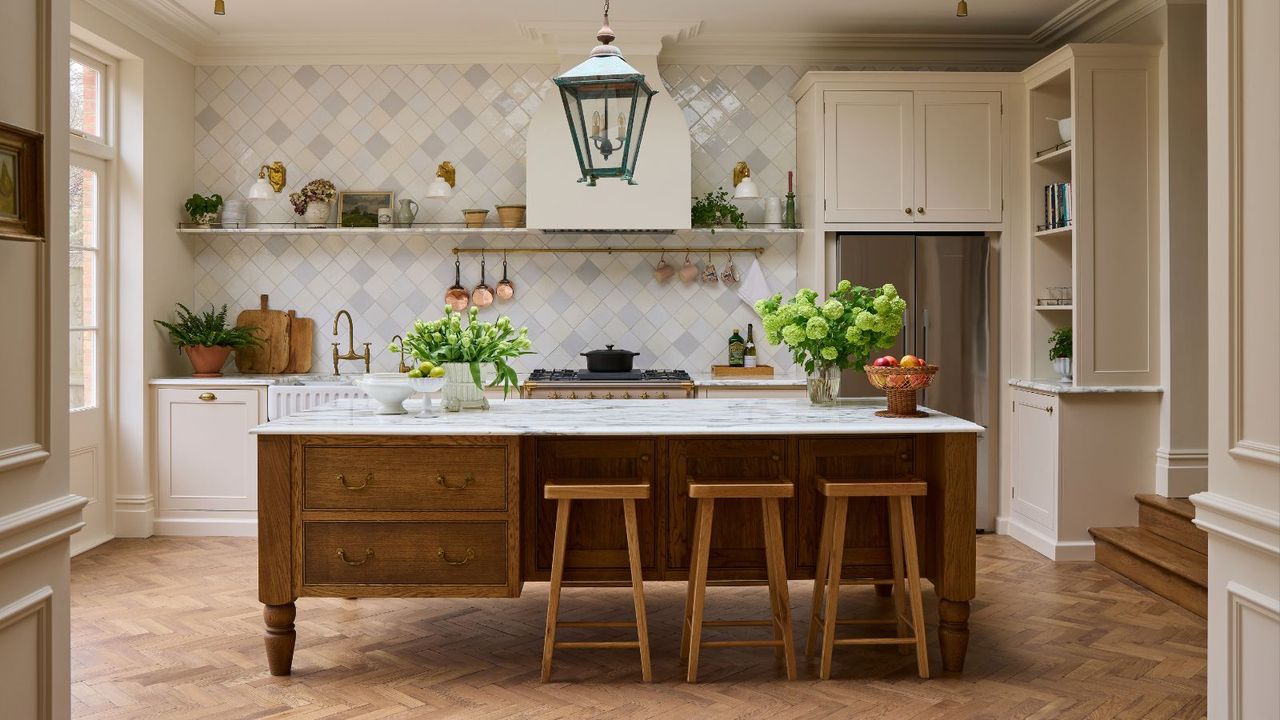
The kitchen design landscape is shifting as we head into 2026. Designer Laura Stephens has demonstrated that pale pink can serve as a timeless foundation for modern kitchen aesthetics, contradicting the notion that softer shades are losing popularity. This newly designed kitchen, part of a contemporary extension to a 19th-century home, showcases how warm neutrals can harmonize with the year’s boldest trends.
The Vision Behind the Design
The kitchen was created in response to a brief emphasizing a ‘light, bright, and neutral space.’ While shades of dark red dominated the previous year’s trends, the choice of pale pink cabinets sets a fresh tone. This decision not only aligns with contemporary tastes but also nods to the warmth and character sought after in modern kitchens.
Stephens faced the challenge of creating a space that felt historic and established, despite being part of a new extension. The goal was to ensure that the kitchen did not come across as a ‘new box’ but rather as a natural continuation of the home’s rich history. She noted, “It was important to take into consideration the flooring, finishes, ironmongery, and cornicing, any details that could help make it seem a little more traditional while not remotely stuffy.”
The design seamlessly incorporates modern conveniences, including a large American fridge and a hot tap, ensuring functionality without sacrificing style.
Attention to Detail and Craftsmanship
Stephens drew inspiration from the Victorian era evident throughout the house. The kitchen features Shaker-style cabinets with intricate beading and a plaster hood designed to conceal the extractor fan. However, the standout element is the tiled wall, which posed a significant design challenge. “That took so much time to get right,” Stephens remarked.
The tiles were sourced from Francis Ceramics, a Welsh company known for its handmade products. Each tile is unique, with variations in color and glaze. Initially, the design team considered a haphazard arrangement but quickly realized it could lead to clusters of similar colors. They spent two days meticulously arranging the tiles to achieve a truly random yet balanced look.
Stephens also advocated for extending the tiles to the ceiling, which the clients initially found daunting. She emphasized that filling the vertical space was crucial to creating depth and enhancing the kitchen’s reflective qualities.
Another major element was the design of the kitchen island, measuring 3.5 meters. It was crafted to resemble a piece of furniture, featuring a steel beam that allows for a minimal leg design. “The proportions make it seem grand, but the ergonomics still give it a sense of air,” she explained. This balance of aesthetics and functionality is central to the kitchen’s appeal.
As we look ahead to 2026, it’s clear that neutral kitchen colors, particularly soft shades like pale pink, have not lost their charm. In fact, they can effectively support the layered, characterful look that continues to gain traction. Elements such as textured tiles, tactile worktop materials, and wooden accents contribute to a warm ambiance.
Ultimately, decor and personal touches play a significant role in making a kitchen feel lived-in. Incorporating artwork, cookbooks, and meaningful objects enhances the space’s character, aligning with contemporary trends while maintaining a sense of timelessness.