As the race for the U.S. Senate seat currently held by John Cornyn heats up in Texas, candidates are voicing their positions on critical issues while also responding to their opponents in a charged political atmosphere. With the general election set for November, the dynamics within both the Democratic and Republican parties are becoming increasingly contentious.
A recent review of candidates’ positions reveals stark contrasts among leading figures. Attorney General Ken Paxton has drawn attention for his frequent references to former President Donald Trump, with his campaign materials mentioning Trump a total of 10 times on his issues page. Observers note that Paxton’s strong alignment with Trump may alienate some voters who value Texas’s independent spirit. One critic remarked, “Paxton’s worship of Trump is downright pathetic,” suggesting that the state’s identity is being overshadowed by partisan loyalty.
In contrast, U.S. Representative Jasmine Crockett, who is vying for Cornyn’s seat, is aiming to galvanize Democratic voters. While she may energize her base, her criticisms of Trump could also mobilize Republican turnout. Campaign strategies indicate that Republican operatives are eager to label her as a far-left radical, potentially influencing the election’s outcome. Trump himself has already denounced Crockett, calling her a “lowlife” and a “low-IQ person.”
Among the Democratic candidates, James Talarico is being viewed as a potential unifier, appealing to both disaffected Republicans and independents. Talarico, a state representative and Presbyterian seminarian, is recognized for his efforts to connect with constituents and articulate his positions clearly. His candidacy is seen as the Democratic Party’s best chance to secure a win in the upcoming election.
The campaign landscape is further complicated by criticisms aimed at Cornyn. Observers have noted that his support for Trump is nearly unconditional, raising questions about his independence as a senator. Some constituents have expressed frustration, arguing that Cornyn has consistently favored Trump’s agenda over his own constituents’ needs. A letter to the editor pointedly stated, “Cornyn has handed over 100% of his authority under Article I,” implying a concerning erosion of legislative independence.
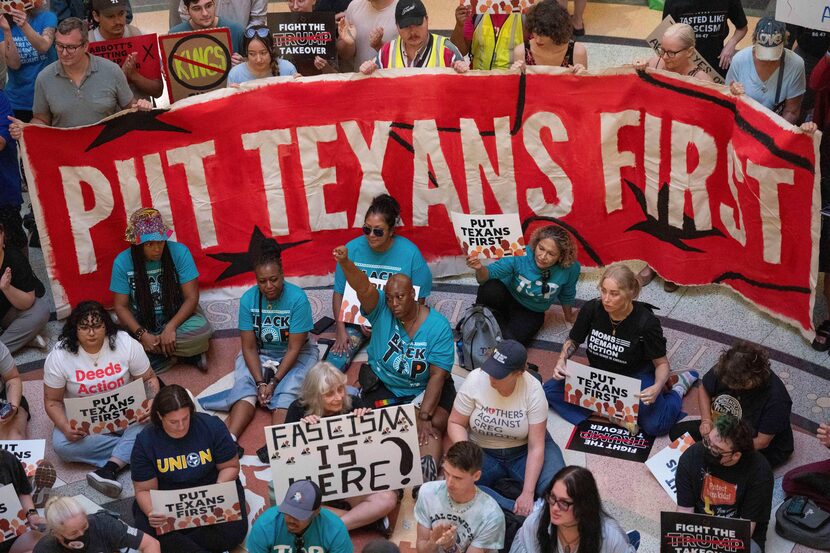
The discourse surrounding the candidates has also highlighted the growing divide within Texas politics. While some voters express dissatisfaction with the candidates’ extreme positions, others are rallying behind them, reflecting the polarized nature of current political sentiments. A letter writer pointed out that Crockett’s favorable rating among Democratic primary voters stands at 85%, indicating significant support despite her controversial statements.
As the election date approaches, the Texas political scene is expected to intensify, with candidates likely to sharpen their messages and tactics. The outcome of this race will not only reflect the voters’ preferences but may also signal broader trends within American politics as parties grapple with identity, loyalty, and representation in a rapidly changing landscape.