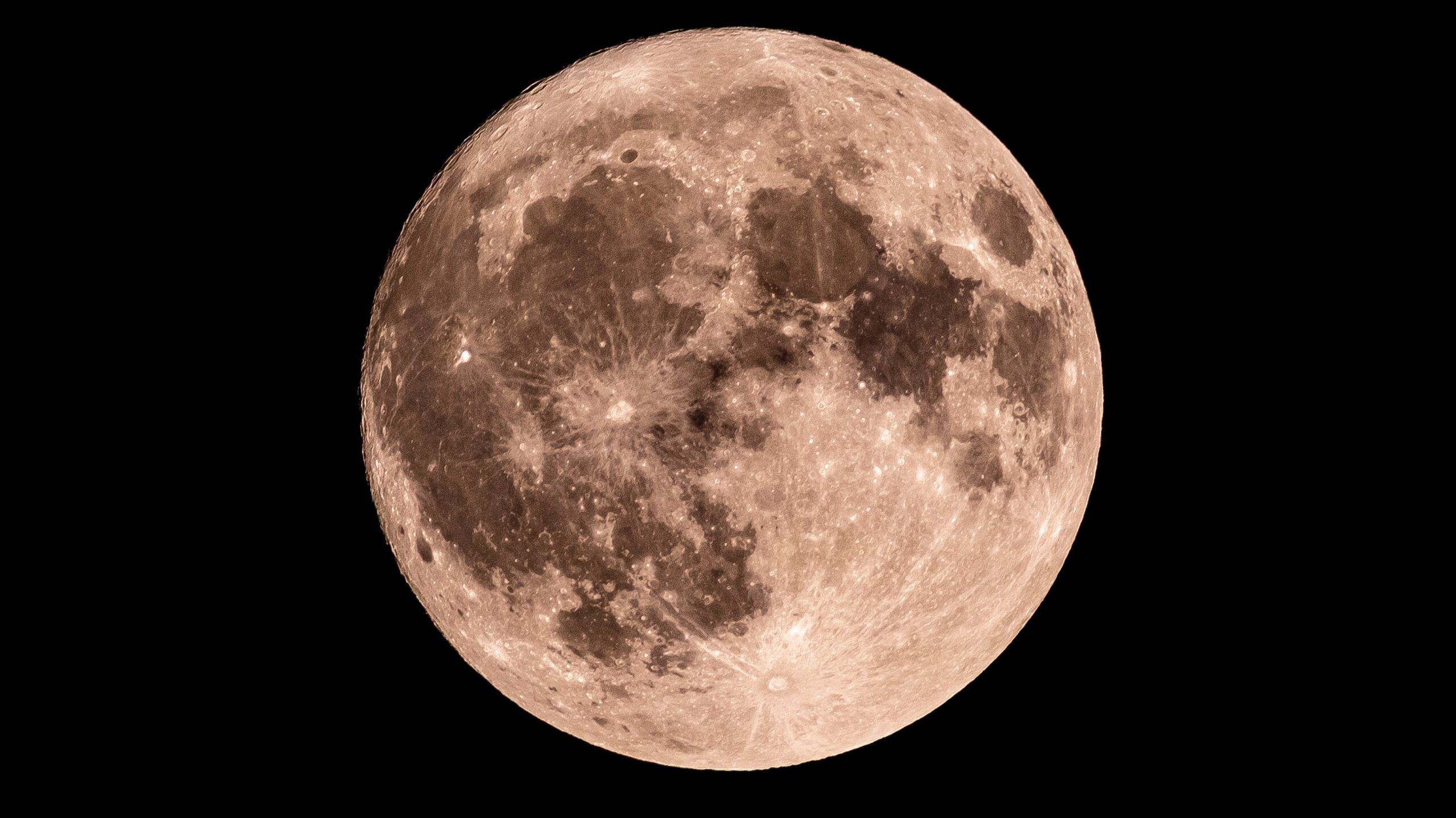
The night sky will showcase a Waning Gibbous moon phase on January 4, 2024, with an impressive 98.6% of its surface illuminated. As we transition from the recent Full Moon, the moon will gradually decrease in visibility, leading towards the next New Moon. This period marks the waning phase of the lunar cycle, allowing stargazers and enthusiasts to observe a remarkable celestial event.
Understanding Moon Phases
According to NASA, the Moon completes a full cycle, known as the lunar cycle, approximately every 29.5 days. Throughout this cycle, the Moon moves through a series of distinct phases as it orbits Earth. While one side of the Moon consistently faces our planet, the amount of sunlight reflecting off its surface varies significantly, resulting in different appearances throughout the cycle.
The lunar cycle consists of eight primary phases, each with unique characteristics:
– **New Moon**: The Moon is positioned between Earth and the Sun, rendering it invisible to the naked eye.
– **Waxing Crescent**: A small crescent of light appears on the right side in the Northern Hemisphere.
– **First Quarter**: Half of the Moon is illuminated on the right side, appearing as a half-moon.
– **Waxing Gibbous**: More than half of the Moon is lit, approaching fullness.
– **Full Moon**: The entire face of the Moon is fully illuminated.
– **Waning Gibbous**: The Moon begins to lose light, starting from the right side.
– **Third Quarter** (or Last Quarter): Another half-moon, but this time the left side is illuminated.
– **Waning Crescent**: A thin sliver of light remains on the left side before the Moon returns to darkness.
The current Waning Gibbous phase provides an excellent opportunity for observers to appreciate the beauty of the moonlit night. With the next Full Moon scheduled for February 1, 2024, enthusiasts should take advantage of the clear night skies to witness the waning beauty of the Moon.
As the lunar cycle continues, each phase brings its own charm and significance. Understanding these phases adds to the enjoyment of watching the Moon, a familiar yet captivating presence in our night sky.