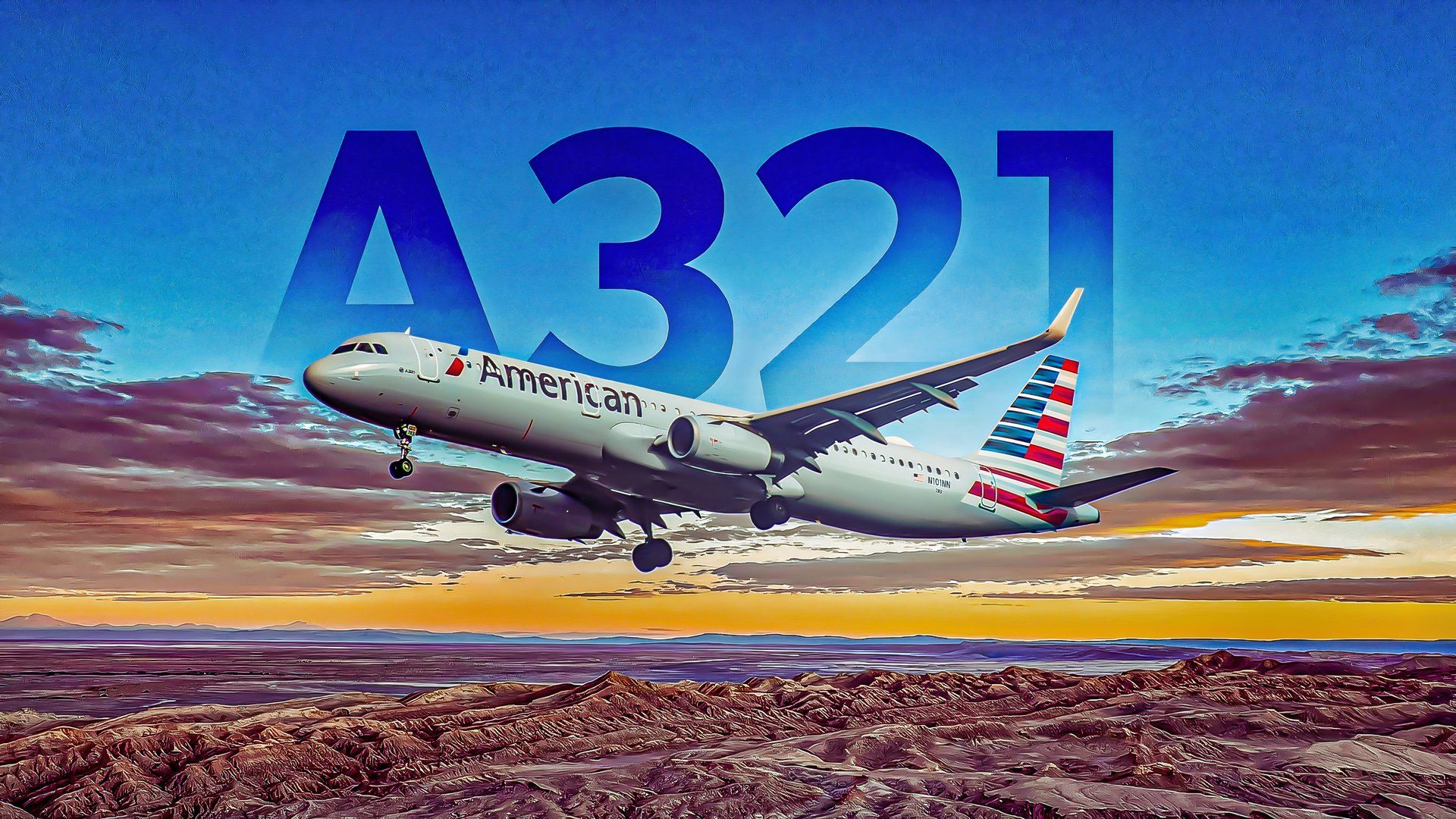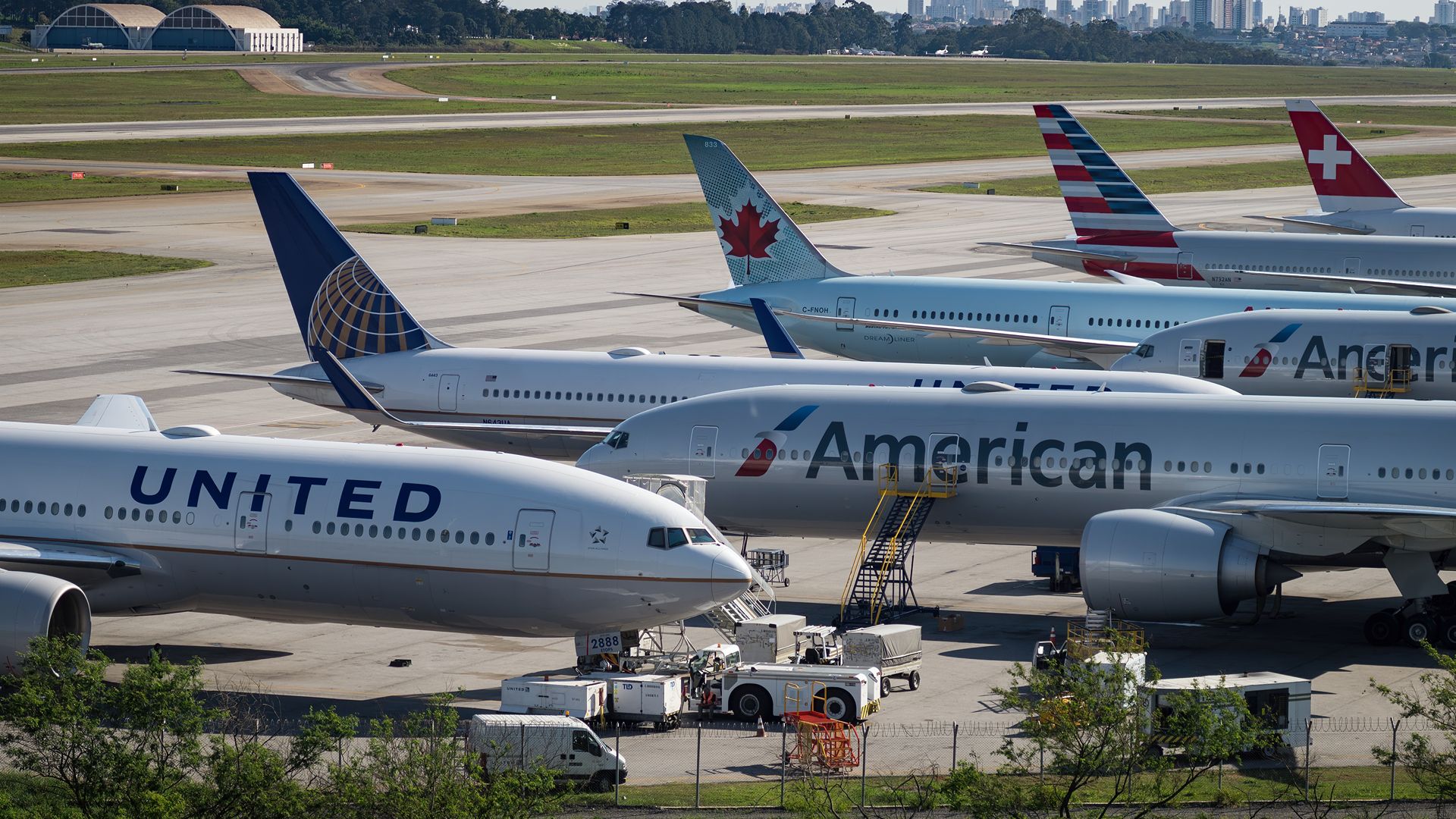
American Airlines is poised to enter into an investment agreement with Brazilian carrier Azul Linhas Aereas, following United Airlines’ recent approval to increase its stake in the airline. United has received clearance from Brazilian regulators for a significant investment of $100 million as part of Azul’s Chapter 11 restructuring efforts. This development comes as both airlines seek to enhance their presence in the Brazilian aviation market.
Azul, founded in 2008 by entrepreneur David Neeleman, has established itself as Brazil’s third-largest domestic airline and the second-largest international carrier. The airline’s business model focuses on connecting smaller cities, aiming to stimulate demand through competitive pricing. This strategy has attracted the interest of major US airlines, particularly in light of Azul’s current financial challenges.
Investment Context and Market Implications
As reported by Simple Flying, United Airlines’ investment is part of a broader strategy to strengthen ties with Azul, which has seen financial turbulence since declaring Chapter 11 bankruptcy in May 2025. Azul is now in the process of restructuring its financial obligations, aiming to reduce its debt, which exceeds $2 billion. The airline plans to achieve this through a combination of investor funding and a public equity offering valued at around $650 million.
With American Airlines seeking to follow suit, the dynamics of US investments in Azul become increasingly complex. Historically, American has maintained a partnership with GOL, a rival Brazilian airline that was previously considered for a merger with Azul. This relationship may complicate American’s potential investment, but it highlights the competitive nature of the aviation market in Brazil.
Strategic Importance of the Brazilian Market
The US-Brazil aviation connection is vital, with Brazil representing the largest aviation market in South America. United Airlines has been a minority investor in Azul since 2015 and has formed a robust commercial partnership over the years, including a codeshare agreement that enhances travel options for passengers.
In contrast, Delta Air Lines has established a joint venture with LATAM, Brazil’s largest airline. This competitive landscape underscores the significance of American and United’s potential investment in Azul, especially as they aim to bolster their foothold in a rapidly evolving market.
Azul’s unique strategy of focusing on low-demand routes has enabled it to thrive despite challenges. The airline avoids heavily trafficked cities like São Paulo, instead prioritizing regions such as Belo Horizonte, Campinas, and Recife. This approach, while innovative, has not shielded Azul from financial difficulties stemming from fluctuating currency rates, high post-pandemic debt, and rising operational costs.
As Azul navigates its restructuring process, it is expected to emerge with a more streamlined balance sheet by February 2026. The outcome of American Airlines’ potential investment will be closely monitored as the airline seeks to position itself effectively in the competitive Brazilian market, particularly against the backdrop of ongoing financial challenges faced by many Latin American carriers.
In the broader context, the investments from US airlines reflect a strategic move to enhance their international operations and capitalize on opportunities within Brazil’s dynamic aviation sector.