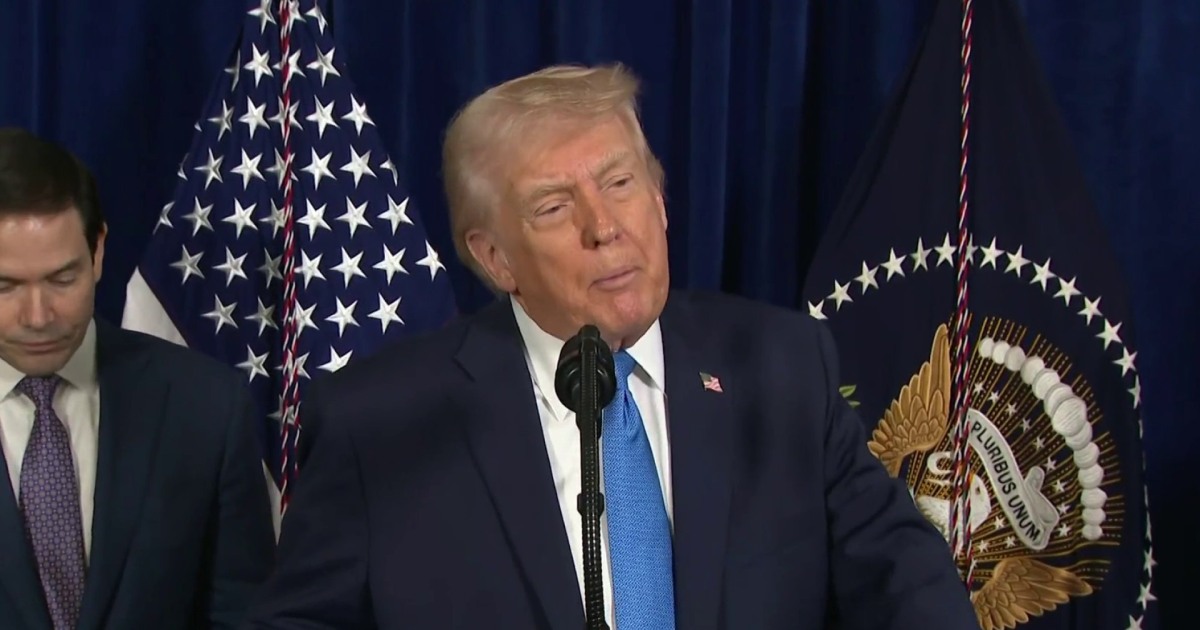
The Trump administration has sparked significant controversy following its recent efforts to capture Venezuelan leader Nicolás Maduro. This bold operation occurred after Maduro was indicted by a federal grand jury in the United States. The announcement has intensified the ongoing partisan divide within American politics, with reactions varying widely across the political spectrum.
In a statement made on January 4, 2026, the administration outlined its intentions to manage Venezuela during an anticipated transition period. The plan aims to establish a new government following what many view as years of oppressive rule under Maduro. This strategic move has been met with both support and criticism from various political factions in the U.S.
The operation reportedly involved covert actions executed by U.S. intelligence agencies, with the goal of apprehending Maduro and holding him accountable for alleged human rights violations and corruption. According to the U.S. Department of State, the actions taken not only reflect a commitment to restoring democracy in Venezuela but also serve as a warning to other authoritarian leaders worldwide.
Supporters of the operation argue that it is a necessary step to assist the Venezuelan people, who have faced severe economic hardship and political repression. They contend that removing Maduro could pave the way for a more democratic and prosperous Venezuela. On the other hand, opponents raise concerns about the legality and ethical implications of such U.S. intervention, questioning whether it might exacerbate tensions in the region.
As the situation develops, the implications of the Trump administration’s actions will likely resonate beyond U.S. borders. Analysts suggest that this bold approach may influence international relations, particularly with nations that have historically supported Maduro’s regime.
Venezuela has been grappling with a humanitarian crisis, with millions fleeing the country due to economic collapse and political instability. The international community remains divided over how to address this crisis, with some advocating for diplomatic solutions while others support more direct interventions.
The ramifications of this operation are expected to unfold over the coming weeks. The administration’s strategy highlights the complexities of foreign intervention and the challenges of establishing a stable government in a country that has been in turmoil for years.
As discussions continue, the focus will shift to the responses from both the Venezuelan government and the international community. The situation remains fluid, with the potential for significant changes in Venezuela’s political landscape in the near future.