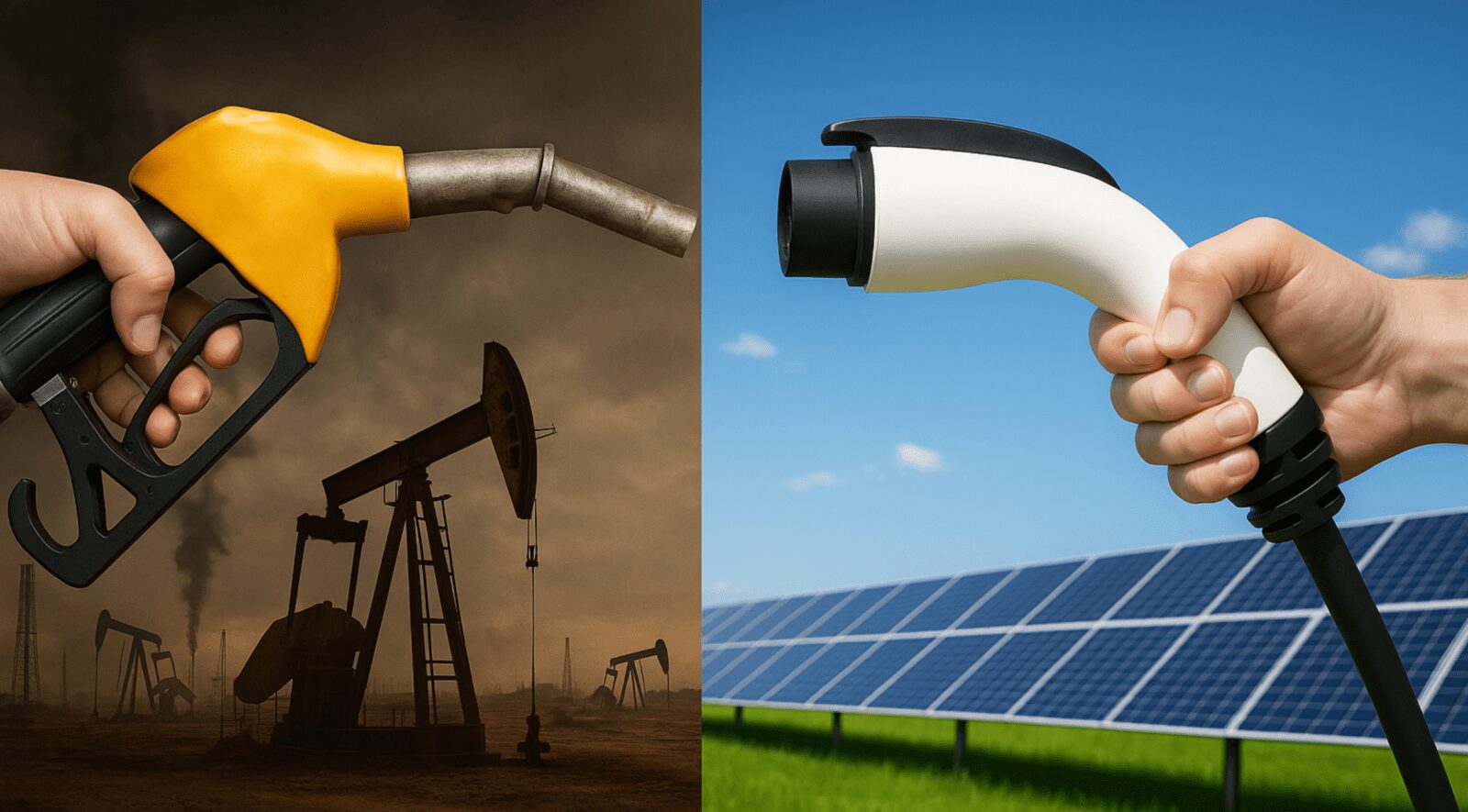
URGENT UPDATE: The US has launched military operations in Venezuela, as President Donald Trump stated the invasion aims to seize the country’s oil resources. This development comes just hours after the operation began, raising alarms about escalating conflicts driven by oil demand.
In a press conference earlier today, Trump confirmed the invasion, stating outright that the intent is to “steal Venezuela’s oil.” This declaration highlights the ongoing global struggle over energy resources, a struggle that could be alleviated by the increased adoption of electric vehicles (EVs).
Why does this matter RIGHT NOW? The conflict in Venezuela underscores a pattern where oil dependency fuels international strife. Experts argue that reducing oil demand through the widespread use of EVs could significantly mitigate such conflicts. As the world grapples with oil-driven wars, the transition to electric mobility is more urgent than ever.
The current military action is compounded by the long-term destabilization of Venezuela, exacerbated by previous US sanctions. As nations grapple with environmental and geopolitical challenges, the shift to EVs could offer a solution to both climate change and conflict.
The US Department of Defense recognizes that climate change is a primary catalyst for global conflict. With oil at the center of many international tensions, including the ongoing crisis involving Russia and Europe, the push for EVs becomes even more crucial. Russia’s annexation of Crimea in 2015, for instance, was largely tolerated because of Europe’s dependency on Russian oil and gas.
The benefits of EVs extend beyond reducing oil consumption. Electric vehicles can be powered by diverse energy sources, including wind, solar, and nuclear, allowing countries to lessen their reliance on oil cartels. The geographical distribution of EV resources also minimizes the potential for conflict, as these materials are less concentrated than oil reserves.
Recent data shows that US oil consumption peaked in 2019 and has been on a decline since then, largely due to the rise of EV sales. Globally, both Norway and China are approaching peak oil demand, indicating a significant shift in energy consumption patterns. The entire planet is expected to reach peak oil demand by the end of this decade.
With this urgent need for change, officials and experts advocate for a rapid transition away from oil. By fostering the adoption of EVs alongside public policy initiatives, nations can work towards reducing the underlying causes of conflict.
The time to act is NOW. As countries explore renewable energy sources, individuals can contribute by adopting electric vehicles and utilizing solar energy at home. EnergySage offers a platform to compare solar installers, helping consumers save 20-30% while making a positive environmental impact.
As the world faces escalating tensions over oil, the shift to electric vehicles isn’t just an environmental necessity; it’s a pathway to global peace. The actions taken today could have lasting repercussions, making it imperative for governments and individuals alike to embrace sustainable energy solutions. The future of conflict and climate stability could very well depend on the choices made in our driveways.