A pioneering achievement in space manufacturing occurred this week as the startup Space Forge successfully generated plasma aboard its satellite, ForgeStar-1. This marks the first time plasma has been produced in low Earth orbit, reaching temperatures of 1,830 degrees Fahrenheit (approximately 1,000 degrees Celsius). This breakthrough brings humanity closer to the potential of manufacturing materials in microgravity for applications on Earth.
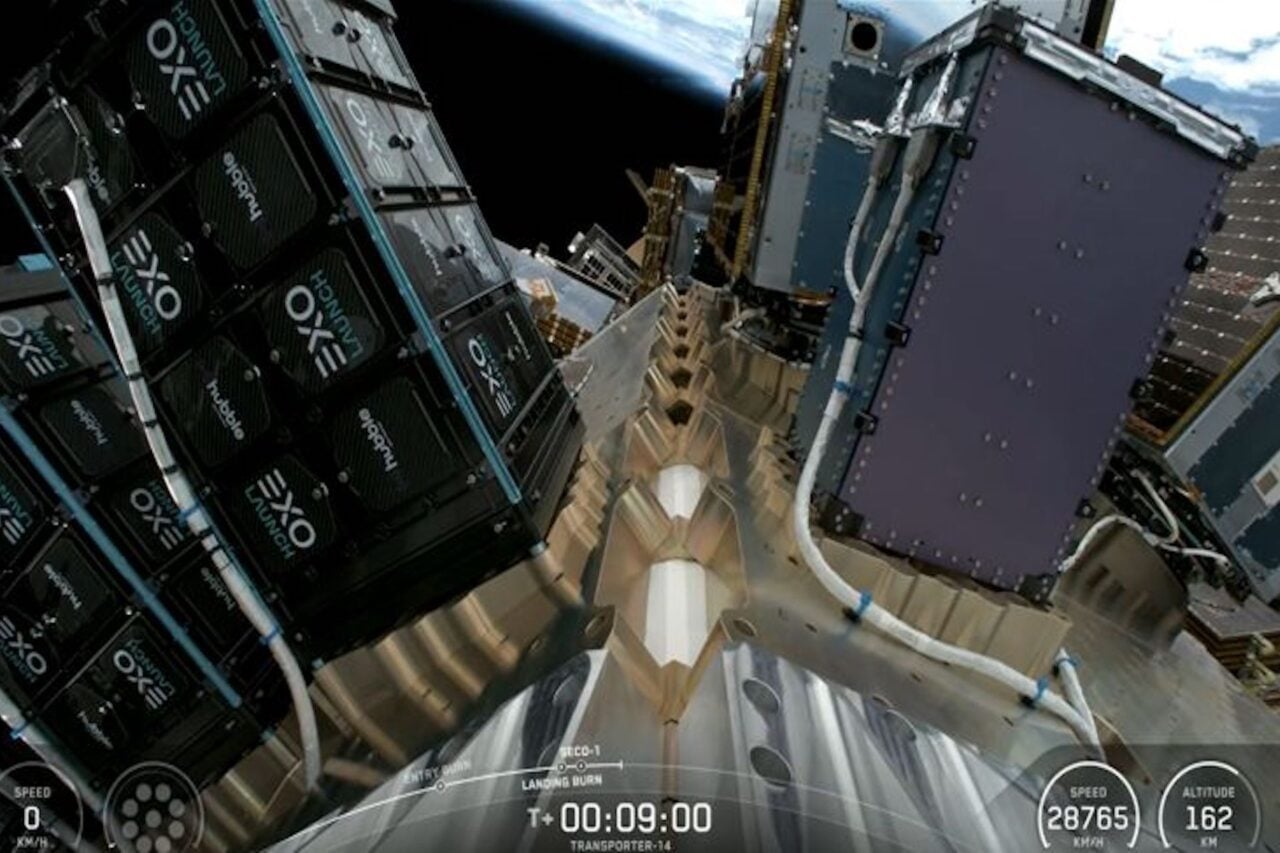
Launched on June 27, 2025, during SpaceX’s Transporter-14 rideshare mission, ForgeStar-1 is the first manufacturing satellite from the United Kingdom. The satellite aims to produce semiconductor materials that could be up to 4,000 times purer than those made on Earth. As the accessibility of space increases, the advantages of operating satellites in orbit become more evident.
The unique environment of space provides conditions conducive to advanced material production. In particular, manufacturing in microgravity minimizes gravity-induced defects, allowing atoms to align more perfectly than on Earth. This was confirmed by Space Forge’s recent plasma demonstration, which established that the extreme conditions required for crystal growth can indeed be achieved in orbit.
“Generating plasma on orbit represents a fundamental shift,” said Joshua Western, CEO and co-founder of Space Forge. “It proves that the essential environment for advanced crystal growth can be achieved on a dedicated, commercial satellite—opening the door to a completely new manufacturing frontier.”
The implications of this development are significant. The semiconductor materials produced in space could have wide-ranging applications, including in electronics, communications infrastructure, and transportation. According to Western, “This sort of semiconductor would go on to be in the 5G tower in which you get your mobile phone signal… it’s going to be in the latest planes.”
As ForgeStar-1 completes its mission, it is set to re-enter Earth’s atmosphere and burn up. The satellite was instrumental in testing a heat shield named Pridwen, designed for future variants to safely re-enter the atmosphere while returning materials to Earth in one piece.
This advancement not only showcases the capabilities of Space Forge but also highlights the growing intersection of technology and space exploration. As companies like Space Forge continue to innovate, the potential for manufacturing in space could revolutionize how materials are created and utilized on our planet.