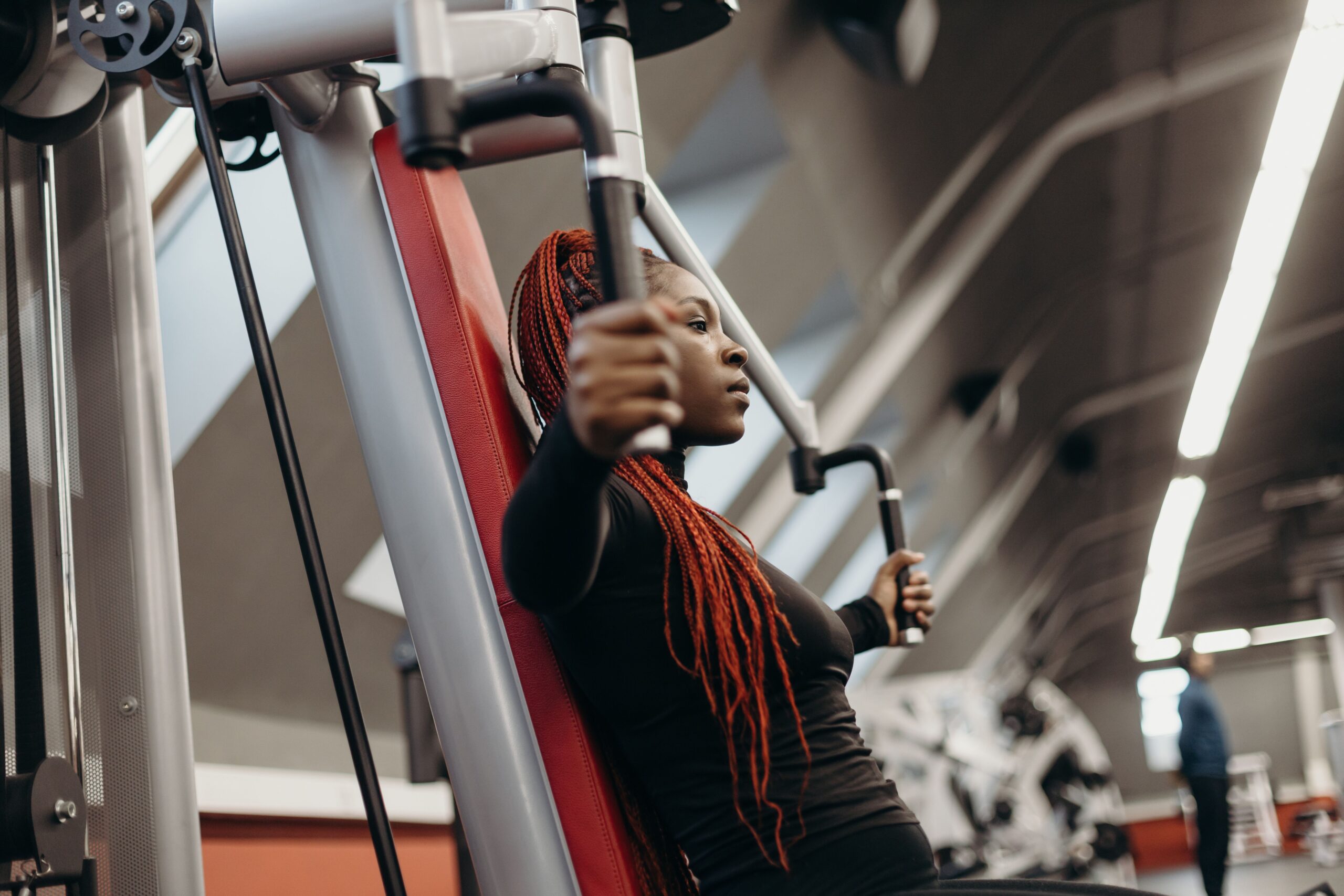
Weight machines can be an effective way to achieve a full-body workout, especially for those new to strength training. Many gym-goers find these machines easier to use than traditional free weights. While there are differing opinions on their effectiveness, trainers agree that incorporating weight machines can provide a solid foundation for beginners.
Understanding the benefits of weight machines is crucial for those just starting their fitness journey. According to certified personal trainer Chris Gagliardi, machines are user-friendly because they restrict movement to one direction, reducing the likelihood of injury. This limited range of motion can be beneficial for individuals who lack core strength or muscle coordination. Another trainer, Joel Okaah, emphasizes that these machines can alleviate stress on joints, making them a safer option for novices learning how to lift weights.
Many gyms provide instructional images attached to machines, aiding users in understanding proper form and settings. Gagliardi suggests starting with lighter weights and adjusting as needed. However, he warns that injury can still occur, even with machines. It is advisable for beginners to consult gym staff for guidance on using the equipment correctly.
Despite their advantages, there are some drawbacks to relying solely on weight machines. While they can simplify workouts by removing stability challenges, excessive reliance may hinder the development of crucial functional fitness skills. The limited motion of certain machines can also be uncomfortable for some users. Gagliardi notes that if a machine causes pain, individuals should consult a trainer or healthcare provider before continuing.
Designing a Full-Body Workout with Weight Machines
For those who feel more comfortable using weight machines, there are effective strategies for creating a comprehensive workout routine. Gagliardi stresses the importance of incorporating various movement patterns to engage major muscle groups. A well-rounded regimen might include both pulling movements, like a seated row, and pushing movements, such as a chest press.
To get started, Gagliardi recommends the following full-body workout using weight machines:
– Chest Press
– Seated Row
– Seated Biceps Curl
– Triceps Extension
– Seated Shoulder Press
– Seated Leg Press
– Lying Hamstring Curl
– Seated Leg Extension
– Glute Press
– Calf Raise
– Seated Crunch
For each machine, aim for 8-15 repetitions, resting for 2-3 minutes between exercises. Beginners can start with one round and gradually increase to two as their strength and comfort levels improve.
If the workout feels overwhelming, consider splitting the routine over two days, focusing on upper body exercises on one day and lower body on the next. Flexibility is key; users can adjust the order of exercises based on machine availability.
Transitioning to Free Weights
As individuals gain strength and confidence using weight machines, transitioning to free weights can be a natural next step. Gagliardi suggests practicing movements without any weight to master the mechanics before adding resistance. There is no requirement to abandon weight machines entirely; they can complement free-weight workouts effectively.
Ultimately, the best approach to fitness is one that aligns with personal preferences and goals. Incorporating a mix of weight machines and free weights allows for a well-rounded fitness routine that can lead to sustained progress and achievement.
Whether new to strength training or looking to enhance an existing routine, using weight machines can be a valuable component of a fitness strategy. Following guidance from professionals and adjusting workouts to suit individual needs will help users maximize their gym experience.