Four partners from the venture capital firm Andreessen Horowitz have shared their insights on the future of artificial intelligence (AI) during a podcast episode aired on December 29, 2025. They discussed the evolving landscape for AI, emphasizing the significance of image and video capabilities, the importance of app ecosystems, and the potential for new startups to carve out a niche in a competitive market.
Image and Video Capabilities as Game Changers
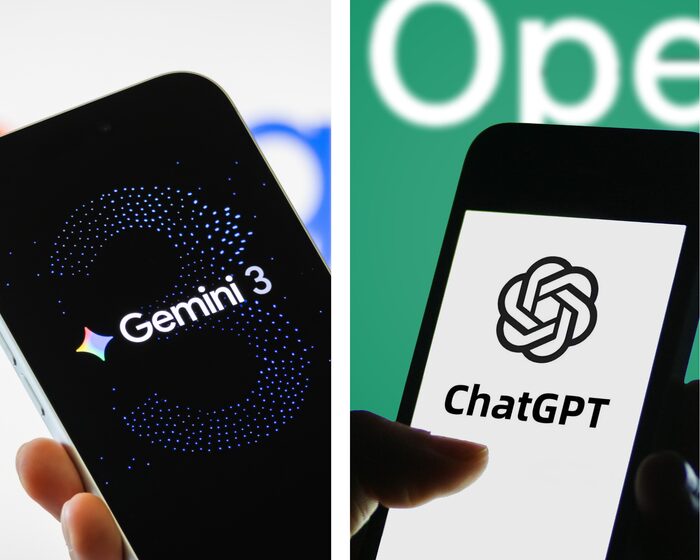
In their analysis, the partners highlighted that AI models equipped with advanced video and image capabilities could gain a substantial advantage. Justine Moore, an investment partner, noted that tools like Gemini 3 might outpace established players such as ChatGPT due to the “nearly infinite demand” for these features among both professional and casual users. Moore pointed out that “many new viral trends” emerge from the latest advancements in image and video technologies, making them crucial for attracting users to new products.
The discussion led to the concept of **multimodality**, which refers to an AI’s ability to process and integrate text, images, and audio simultaneously. Moore explained that as more applications become multimodal, the potential for innovation expands significantly. “Imagine inputting a video and receiving related images or an edited version in return,” she said. This capability could revolutionize creative industries by allowing seamless combinations of various media formats.
The Importance of App Ecosystems and Startup Innovation
The partners underscored the potential impact of ChatGPT’s forthcoming app store, which could define its trajectory in the coming year. Olivia Moore stated that successful partnerships with companies like Spotify and Zillow could enhance user engagement. The software development kit (SDK) provided for developers will be essential for both consumer and enterprise applications, allowing ChatGPT to function more like a traditional app store.
For startups aiming to break into the market, the partners advised steering clear of traditional text-in, text-out models, as they face stiff competition from established brands. Bryan Kim emphasized the need for innovation, suggesting startups must identify unique angles to attract users away from dominant platforms.
The discussion also touched on the potential for a “winner takes all” scenario in the AI landscape. Olivia Moore pointed out that ChatGPT currently enjoys a substantial user base, with between 800 and 900 million weekly active users. In comparison, Google’s Gemini has reached approximately 35% of that scale on the web and 40% on mobile devices, while other models such as Claude have garnered between 8% and 10% of the market.
Growth in enterprise usage of ChatGPT could also translate into increased consumer adoption. According to OpenAI, weekly messages sent through ChatGPT Enterprise surged eightfold in 2025. Moore noted that if businesses begin to rely on ChatGPT for their operations, it could significantly impact consumer engagement as well.
The insights provided by the partners at Andreessen Horowitz paint a picture of a rapidly evolving AI landscape. As competition intensifies, the ability to innovate within the realms of image, video, and multimodal capabilities may determine the success of both established companies and emerging startups in the coming years.